
AI Data Center Capacity Set to Double in 2026
SemiAnalysis projects global data center capacity will double to 51 gigawatts in 2026, driven by AI demand and modular construction techniques.

All articles tagged with #energy demand
SemiAnalysis projects global data center capacity will double to 51 gigawatts in 2026, driven by AI demand and modular construction techniques.

Loudoun County, Virginia, serves as a 20-year preview of the current national data center boom, having transformed from a dot-com hub into the world’s densest data center cluster. While this shift generated massive tax revenue and reduced property taxes for residents, it has also sparked intense local opposition due to noise, visual impact, and resource strain. As the US faces a surge in AI-driven infrastructure demand, Loudoun’s experience highlights the tension between economic benefits and community backlash, with national polls showing 70% of Americans oppose nearby construction. Meanwhile, global efforts to build data centers are consolidating US technological dominance, as countries trade geopolitical alignment for access to American compute hardware.

As global temperatures rise, the reliance on traditional air conditioning is straining electricity grids. Experts and policymakers are increasingly exploring alternatives that reduce heat entry and optimize energy use, rather than simply increasing power consumption to remove heat.
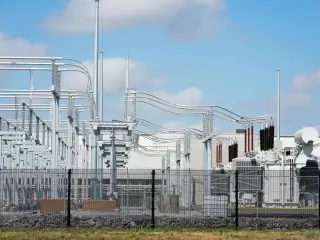
A sweeping US heatwave strains the power grid and water supplies as the nation races to build thousands of AI data centers, whose cooling and electricity needs could lift overall energy demand and stress local water resources, prompting calls for greater oversight, siting checks, and faster upgrades to generation and transmission, as utilities implement measures like backup power dispatch.

A major US heatwave is expected to push electricity use to near-record levels this week, straining grids operated by PJM Interconnection, NYISO, and MISO. Officials warn that demand is rising faster than new supply, a gap amplified by hyperscale AI data centers—concentrated in northern Virginia—that increase energy use and contribute to a data heat island effect. Health advisories accompany the forecast, with peak demand around 166.3 gigawatts projected for Thursday evening as temperatures climb above 38 C across much of the eastern half of the country.
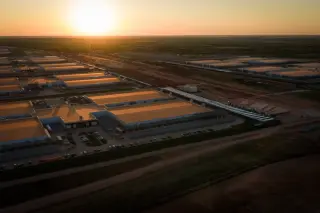
Texas is seeing hundreds of planned data centers—at least 248 in the works—driven by AI demand; supporters tout jobs and investment, but critics warn about strain on water and the grid, prompting Gov. Abbott to push tighter oversight and lawmakers to study data-center impacts ahead of the 2027 session.

Eight proposed data centers in Hood County could strain local water and power supplies, while residents push back and officials grapple with limited authority to pause or block them amid lawsuits and a broader state policy debate; neighboring Hill County has already enacted a one-year pause, signaling a statewide regulatory crunch as Texas races to keep up with hyperscale infrastructure.
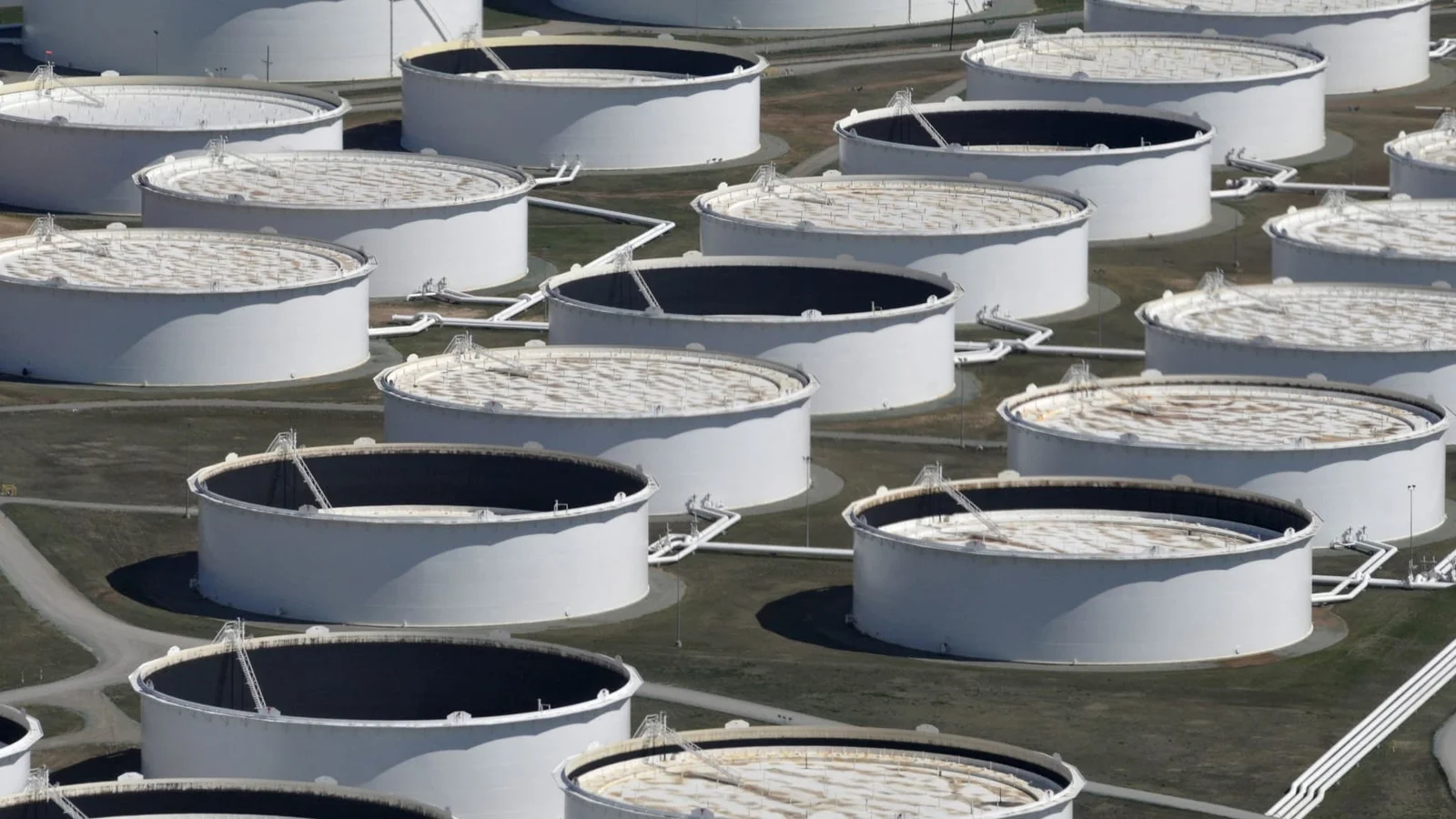
IEA says demand-reduction steps—such as remote work, less commuting, reduced air travel, and switching from LPG to cleaner cooking—could provide faster relief from energy-price spikes caused by Middle East disruption, while governments pursue targeted fiscal measures as oil markets stay volatile and supply remains constrained.

As AI demand surges, Cloverleaf Infrastructure led by former Microsoft exec Brian Janous secures electricity and farmland to develop AI-focused data centers, turning prospecting for land into a high-stakes, locally debated infrastructure push that depends on utility deals and environmental constraints.
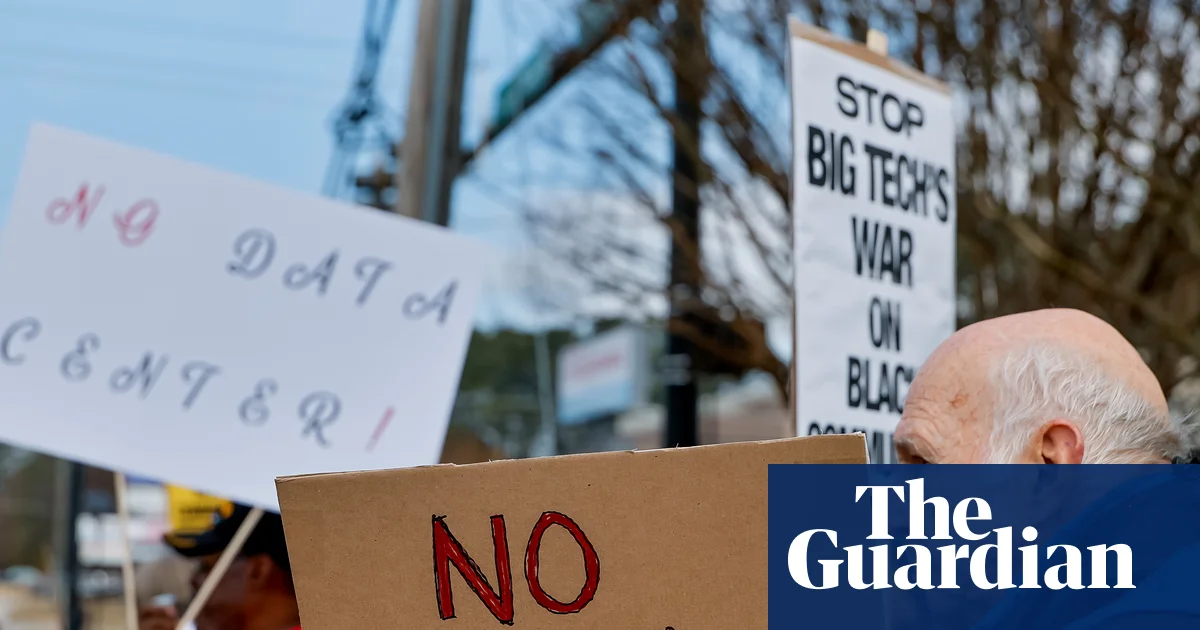
Global investment in data centers reached a record $61 billion in 2025, driven by the AI boom and ongoing demand for infrastructure, with projections indicating rapid expansion over the next five years despite concerns over potential overspending and energy consumption.
The rapid growth of data centers, expected to increase energy consumption significantly by 2030, is causing political and public concern. Big Tech companies and industry groups are actively lobbying and campaigning to shape public perception and policy, emphasizing that data centers are not the primary drivers of rising energy costs and highlighting infrastructure issues instead.

The IEA warns that global electricity demand is surging beyond emerging economies, driven by renewable growth and electrification, with significant implications for energy security and climate goals, despite political setbacks like the US's withdrawal from the Paris Agreement.
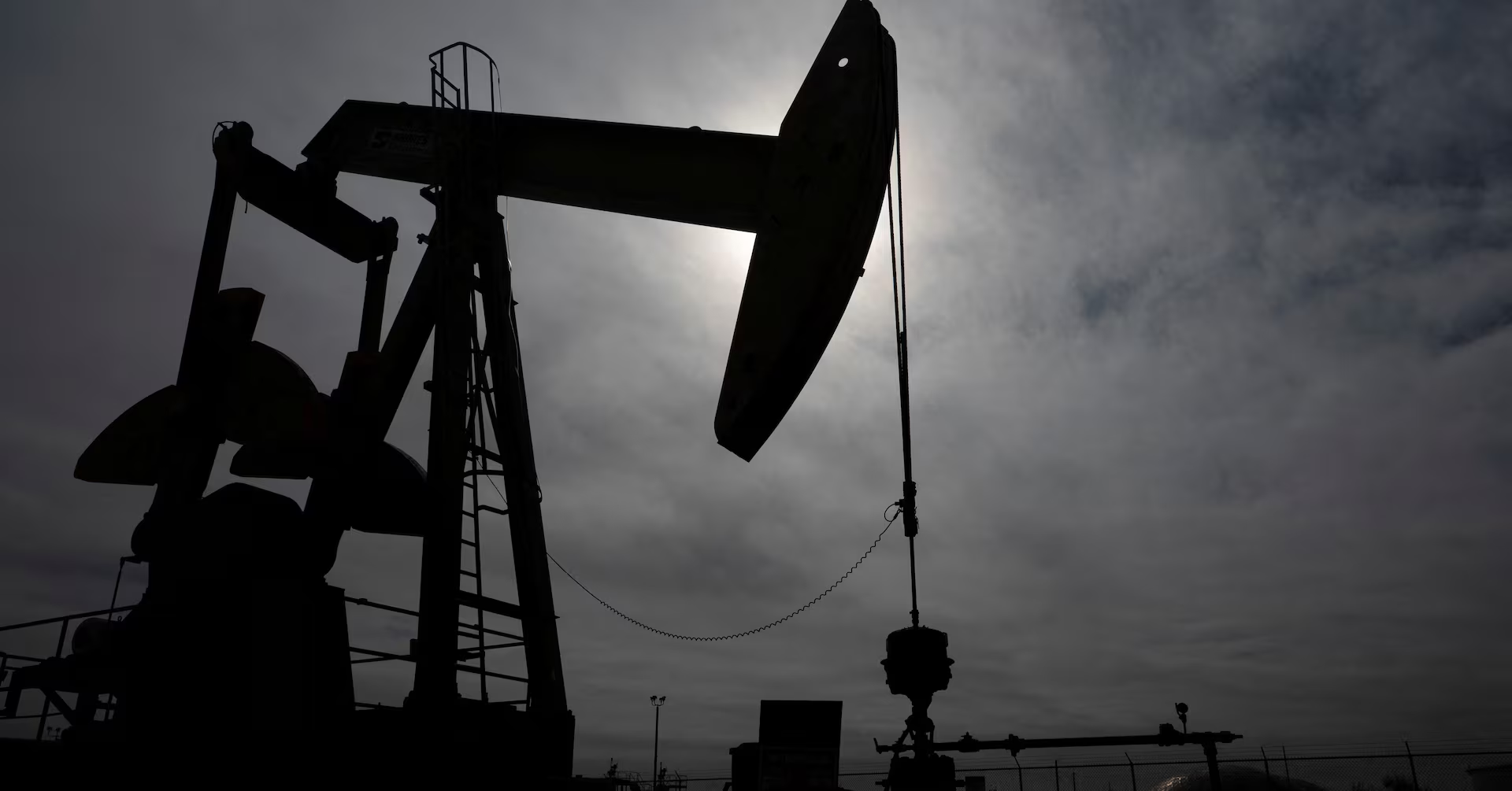
Oil prices surged over $2 per barrel following US sanctions on Russian oil giants Rosneft and Lukoil, amid strong US energy demand and falling US crude inventories. The sanctions, coupled with geopolitical tensions and potential trade deal developments between the US and China, have contributed to the rally in oil markets.
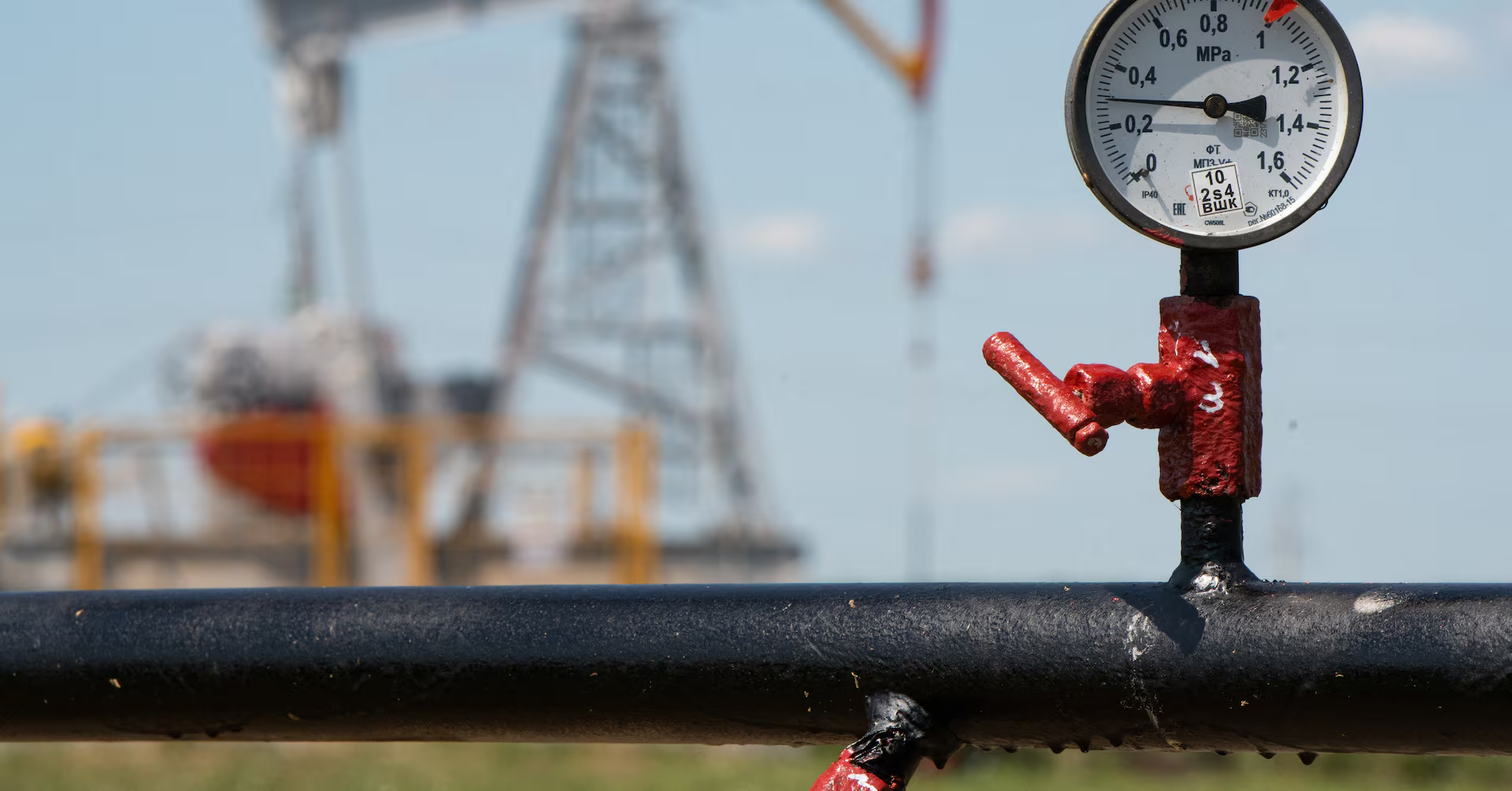
Oil prices are on track for a weekly decline of nearly 3% due to a forecast of increasing supply glut by the IEA, easing conflicts in Ukraine and Gaza, and concerns over a slowing global economy and lower energy demand, despite small gains in recent trading.
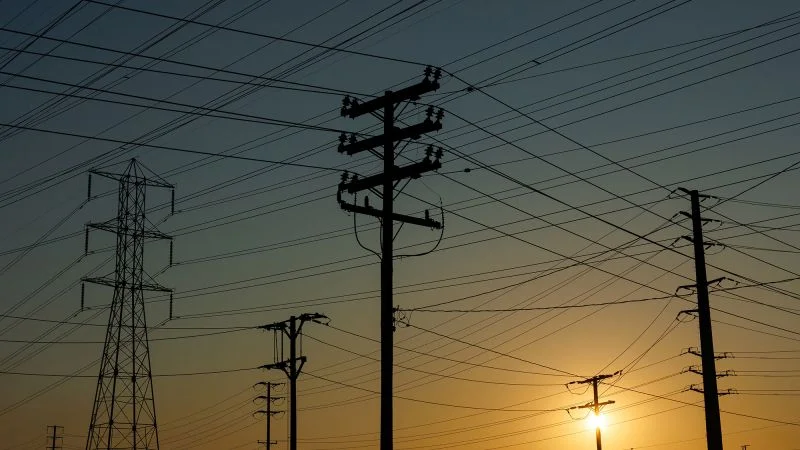
Rising electricity bills are partly driven by increased demand from the AI industry, which requires significant power for data centers and advanced computing, alongside infrastructure upgrades and climate-related grid maintenance, leading to higher costs for consumers.