
Nvidia to raise AI server prices 15% for major clients next year
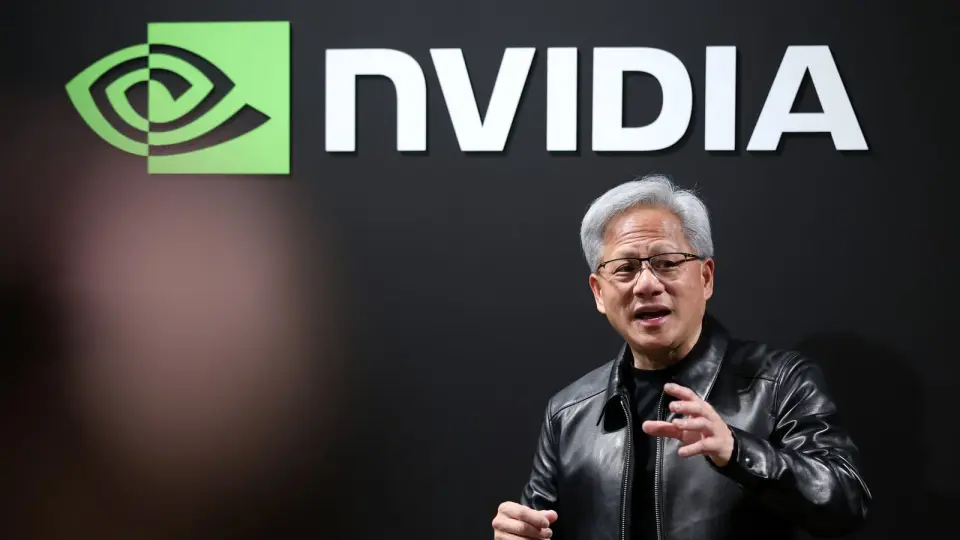
Nvidia plans to increase prices for its largest corporate customers by at least 15% on AI server systems containing Vera Rubin and Grace Blackwell chips. The hike, reported by Bloomberg, will take effect on shipments early next year and is driven by soaring memory chip costs. This follows a broader trend of GPU price increases across consumer and professional markets due to a persistent memory crunch.
Key points
- Bloomberg reports Nvidia will raise prices for some of its largest customers by a minimum of 15%.
- The price increases apply to servers featuring Vera Rubin and Grace Blackwell AI chips.
- The new pricing structure will take effect on systems shipped in early 2026.
- The magnitude of the hike depends on specific chip generations and memory configurations.
- Nvidia is facing rising costs for memory chips, which are essential components for its GPUs and systems.
Background
This move aligns with a sustained trend of GPU price increases observed since early 2026. In August, Nvidia raised the price of the RTX Pro 6000 Blackwell to $16,000, an 110% jump from its pre-order price, while consumer cards like the RTX 5090 exceeded $4,000. Industry insiders have warned that the memory shortage could persist for years, driving prices well above manufacturer suggested retail prices across midrange and high-end models. Previous reports indicated that both Nvidia and AMD were signaling further hikes driven by persistent memory demand and supplier cost increases, with potential cascading effects on other hardware like gaming consoles.
Why it matters
The price hike signals that the memory crunch is intensifying, directly impacting the cost of AI infrastructure for major enterprise clients. As Nvidia passes on higher memory costs to its largest customers, it may influence the overall budget for AI deployments and potentially slow adoption rates for organizations sensitive to capital expenditure. This development also highlights the tight supply chain dynamics for high-performance memory, which continues to drive up prices across the semiconductor industry.
What to watch
The increased prices are expected to take effect on systems shipped early next year. Customers should monitor their procurement contracts for updated pricing structures based on chip generation and memory configurations. The market will likely see continued pressure on GPU costs as the memory shortage persists, potentially affecting other hardware categories and consumer electronics in the coming months.
Want the full story? Read the original reporting
Read on CNBC