
SpaceX Falcon 9 retirement threatens NASA crew access and creates launch gap
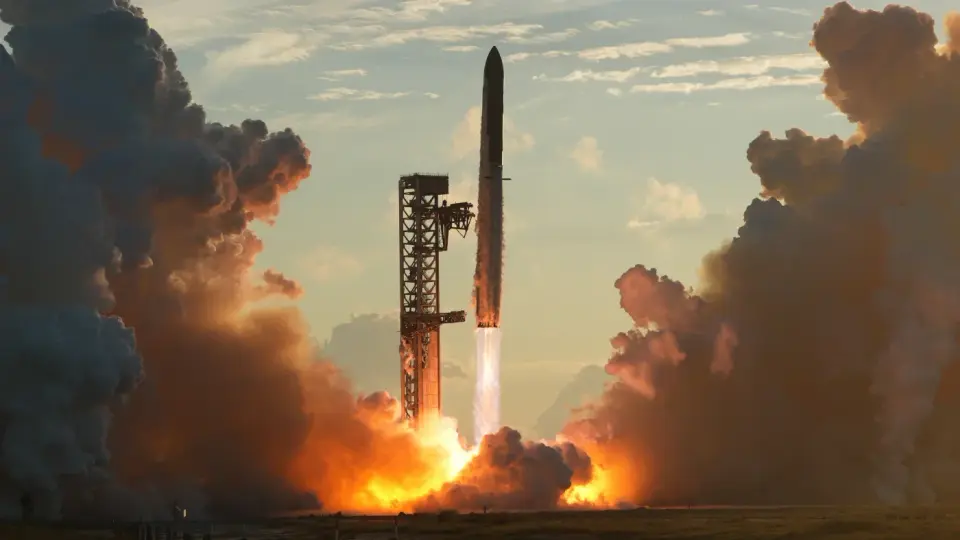
SpaceX plans to retire its Falcon 9 rocket by 2028 to prioritize Starship, potentially leaving NASA without a crewed vehicle for the International Space Station and creating a significant gap in commercial launch capacity.
Key points
- SpaceX intends to phase out Falcon 9 by 2028 to focus resources on Starship, which is central to its Starlink and AI data center businesses.
- NASA currently relies on Falcon 9 and the Dragon capsule for crewed missions to the ISS; SpaceX has only contracted three additional flights, potentially ending service by 2028.
- The retirement could leave a shortfall of approximately 150 launches between now and 2030, impacting commercial and national security customers.
- Rocket Lab is positioning its Neutron rocket to fill the gap, having signed eight missions for $515 million, but Neutron’s first flight is not expected until 2027.
- SpaceX’s financials show Starlink and AI businesses generating far more revenue than launch services, making Falcon 9 less critical to the company’s overall profitability.
Background
In 2008, NASA provided a crucial contract that helped SpaceX survive financial difficulties. Since then, SpaceX has grown significantly, with Starlink and AI businesses now generating the majority of its revenue. The company has been developing Starship, its largest rocket, with the goal of achieving full reusability and lower launch costs. Recent tests, including the November 13, 2026, Flight 15, aim to achieve the first full recovery of an orbital launch system.
How outlets are covering it
NPR highlights the potential impact on NASA, noting that SpaceX’s shift to Starship could leave the agency without a crewed vehicle for the ISS. Yahoo Finance argues that SpaceX may not fully retire Falcon 9 due to the significant market opportunity it represents, suggesting that Musk may reconsider if the demand is high enough. TIKR.com focuses on the benefits for Rocket Lab, which is already securing contracts for its Neutron rocket to fill the gap left by Falcon 9. SpaceNews suggests that the launch capacity crunch is not solely SpaceX’s fault, pointing to issues with other providers like Blue Origin and ULA.
Why it matters
The retirement of Falcon 9 could have significant implications for NASA’s ability to send astronauts to the ISS and for the broader commercial launch market. It could also affect national security satellite launches and the development of new space technologies. The shift to Starship could lower launch costs but may also create a temporary gap in launch capacity, impacting various stakeholders in the space industry.
What to watch
SpaceX’s next Starship test flight is scheduled for November 13, 2026, aiming to achieve the first full recovery of an orbital launch system. The outcome of this test will be crucial in determining the pace of Starship’s development and the timeline for Falcon 9’s retirement. Rocket Lab’s Neutron rocket is expected to launch for the first time in 2027, and its success will be key in filling the gap left by Falcon 9.
- SpaceX's giant rocket may leave NASA in the dust NPR
- Prediction: SpaceX Will Not Cancel the Falcon 9 in 2028 Yahoo Finance
- Is SpaceX Winding Down Falcon 9 Really “A Gift to Rocket Lab”? TIKR.com
- Don’t blame just SpaceX for the launch capacity crunch SpaceNews
- Launch Supply Crunch: 150-Launch Gap by 2030 [2026] shattered.io
Want the full story? Read the original reporting
Read on NPR