
SpaceX Q3 Earnings Reveal AI Unit Profitability and Massive Nvidia Demand
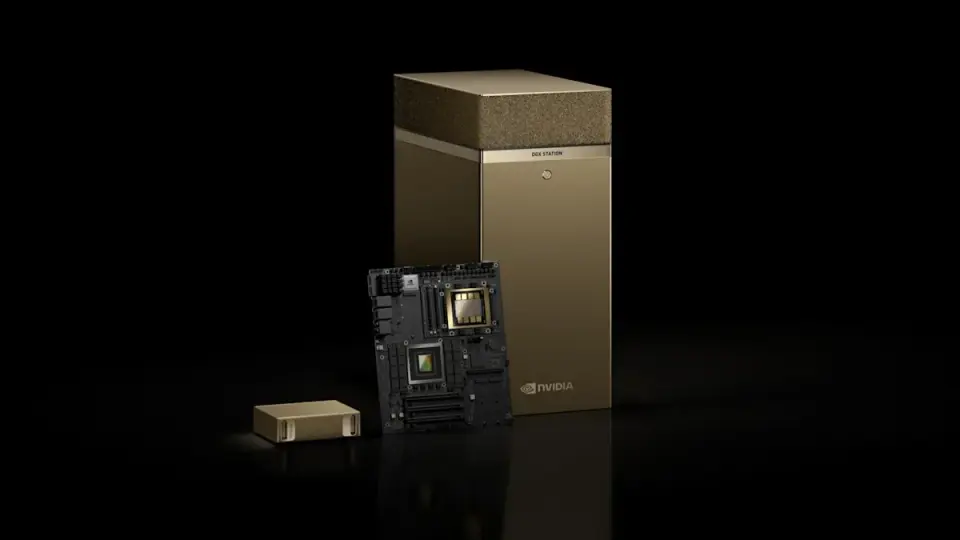
SpaceX reported its first quarterly profit, driven by a 161% revenue surge and a new AI division called Super Intelligence. The AI unit saw sales jump 835% year-over-year, reaching $7.6 billion, and generated $431 million in operating income. Elon Musk confirmed plans to deploy 440,000 Nvidia Vera Rubin computers for training clusters, signaling strong demand for Nvidia hardware. While SpaceX aims for $500 billion to $1 trillion in annual recurring revenue by 2027, analysts note risks related to capital expenditure and compute pricing.
Key points
- SpaceX achieved its first quarterly profit with $4.4 billion net income and 161% revenue growth.
- The Super Intelligence AI division generated $7.6 billion in revenue, up 835% year-over-year, and $431 million in operating income.
- Musk stated SpaceX will deploy 440,000 Nvidia Vera Rubin computers for its next training cluster, Colossus II.
- SpaceX has agreements with Alphabet and Anthropic for monthly revenue of $920 million and $1.2 billion, respectively.
- Musk projects SpaceX could reach $500 billion to $1 trillion in annual recurring revenue by the end of 2027.
- Nvidia expects 70% sales growth next year, with Wall Street forecasting $692 billion in sales, though supply constraints persist.
Background
SpaceX has recently faced scrutiny over its aggressive debt accumulation, including a $40 billion financing push to secure Nvidia chips, which led to record-high credit default swap spreads in October 2026. The company also completed an $86 billion initial public offering and issued $25 billion in debt. Additionally, Musk pledged to give one SpaceX share to every U.S. child through the Trump Accounts program, valued at roughly $10.5 billion, though critics noted low uptake in the first week.
How outlets are covering it
The Motley Fool emphasizes the bullish implications for Nvidia investors, highlighting Musk’s commitment to full-stack Vera Rubin systems and the potential for massive upside in Nvidia’s stock. Seeking Alpha focuses on the improved investment case for SpaceX, noting that sub-one-year compute paybacks reduce capital expenditure risk and that Q1 2027 revenue guidance of $33 billion to $37 billion, supported by a $63 billion backlog, signals explosive growth. While both sources agree on the strength of the AI segment, The Motley Fool highlights the competitive advantage of SpaceX’s AI team, whereas Seeking Alpha warns of risks related to compute pricing and utilization rates.
Why it matters
SpaceX’s transition into a profitable AI powerhouse validates the massive capital investments in AI infrastructure and strengthens the demand for Nvidia’s latest hardware. The company’s ability to generate significant revenue from AI compute and enterprise adoption of Grok AI suggests that the AI boom is moving from research and development to global rollout, potentially reshaping the competitive landscape for both space and technology sectors.
What to watch
Investors will watch SpaceX’s Q1 2027 revenue performance against the $33 billion to $37 billion guidance and monitor the deployment of Colossus II. Nvidia’s ability to meet demand for Vera Rubin chips, amid supply constraints, will be critical. Additionally, the market will assess whether SpaceX can sustain its high capital expenditure without worsening credit risk, and how the growth of Grok Bot impacts compute utilization.
- Elon Musk Just Gave Fantastic News for Nvidia Investors Yahoo Finance
- SpaceX, Anthropic and Nvidia Help Snap Tech Stocks Out of Their Recent Malaise WSJ
- Forget Mars, SpaceX’s Most Important Business Has Nothing To Do With Space (At Least For Now) Yahoo Finance
- SpaceX Q3 Just Changed My AI Thesis (Upgrade) (NASDAQ:SPCX) Seeking Alpha
- SpaceX Has a CoreWeave Problem That No One Is Talking About Inc.com
Want the full story? Read the original reporting
Read on Yahoo Finance