
ULA blames fuel plumbing, not engines, for Vulcan crash that killed 40 satellites
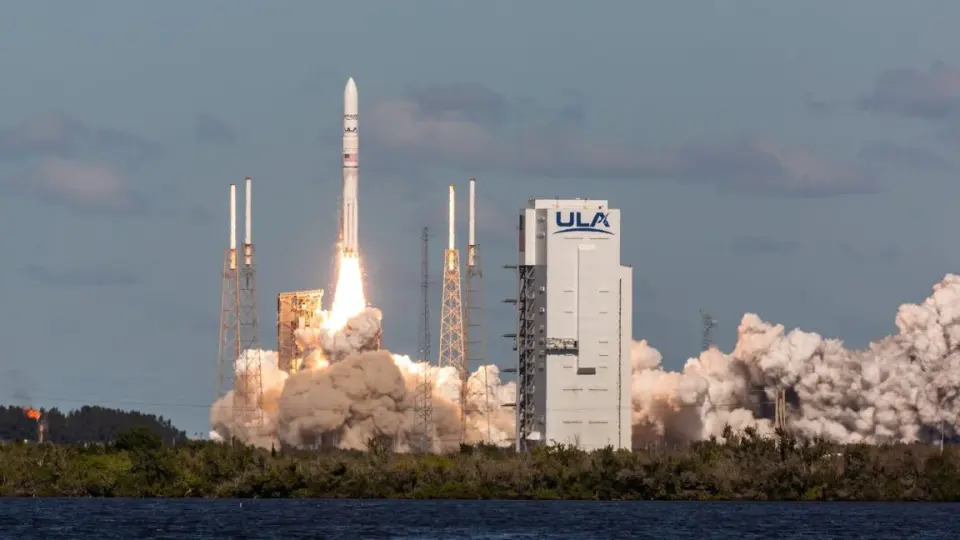
United Launch Alliance (ULA) has identified inadequate fuel supply to the BE-4 engines as the preliminary cause of the Vulcan rocket’s failure on November 15, 2026. The crash, which destroyed 40 Amazon Leo satellites, marks the first total mission failure for ULA since 2006. While the investigation is ongoing, the finding exonerates the engines provided by Blue Origin, allowing that company to proceed with its New Glenn return-to-flight plans. ULA faces a prolonged grounding to resolve complex propellant management issues, impacting its status as a key competitor to SpaceX.
Key points
- ULA’s initial review of flight data indicates low booster thrust resulted from insufficient fuel flow to the engines, not engine performance.
- The failure occurred approximately 10 minutes after liftoff from Cape Canaveral, preventing the payload from reaching orbit.
- The incident destroyed 40 Amazon Leo satellites, delaying the company’s broadband network expansion.
- Blue Origin confirmed the BE-4 engine valve retrofit, implemented after a May 2026 test failure, was not implicated in the Vulcan crash.
- ULA’s Centaur V upper stage and solid rocket boosters performed nominally, isolating the issue to the first-stage liquid propulsion system.
- The failure is ULA’s first total mission loss since 2006, grounding the Vulcan rocket for several months.
Background
The Vulcan rocket had been grounded for nine months prior to the November 15 launch due to solid rocket booster nozzle issues. This was the rocket’s fifth flight and first total mission failure. The crash impacts Amazon’s goal to deploy a 3,232-satellite constellation by 2029 and affects ULA’s contracts with the US Space Force and NASA. The incident occurs amid a US launch crunch, where competitors like SpaceX and Blue Origin are expanding market share.
How outlets are covering it
Ars Technica emphasizes the strategic relief for Blue Origin and NASA, noting that the exoneration of the BE-4 engine allows New Glenn to proceed with its January return-to-flight. Florida Today highlights the collaborative investigation between ULA and Blue Origin, quoting CEO Dave Limp on the importance of industry partnerships. The Orlando Sentinel focuses on the specific technical failure of the propellant plumbing and the broader impact on ULA’s 38-mission contract with Amazon. UA.NEWS summarizes the preliminary findings, stressing that the investigation remains ongoing despite the initial conclusions.
Why it matters
The failure underscores the risks of ULA’s new rocket program and its impact on the US launch market. By grounding Vulcan, ULA loses a critical competitor to SpaceX, potentially forcing government and commercial clients to rely on fewer providers. The delay also threatens Amazon’s ability to compete with Starlink and impacts NASA’s Artemis program, which relies on ULA’s Centaur V upper stage for the Space Launch System.
What to watch
ULA will continue its investigation into the propellant management and plumbing systems that feed liquid oxygen and methane to the BE-4 engines. The Federal Aviation Administration will oversee the process and approve the final report. Blue Origin aims to launch its New Glenn rocket as early as January 2027. ULA expects to be offline for several months while it resolves the issue, potentially allowing competitors like Relativity Space and Rocket Lab to gain market share.
- Vulcan failure caused by inadequate fuel supply to engines, ULA says Ars Technica
- ULA: Vulcan failure linked to rocket, not Blue Origin-built engines Florida Today
- ULA investigating possible fuel supply issue after Vulcan rocket launch failure rocketcitynow.com
- Main booster, but not Blue Origin’s BE-4 engines, ID’d as source of Vulcan launch failure, ULA says Orlando Sentinel
- ULA links Vulcan rocket failure to fuel supply — Ars Technica UA.NEWS
Want the full story? Read the original reporting
Read on Ars Technica