
ULA Vulcan suffers first total mission failure, grounding Amazon’s Starlink rival
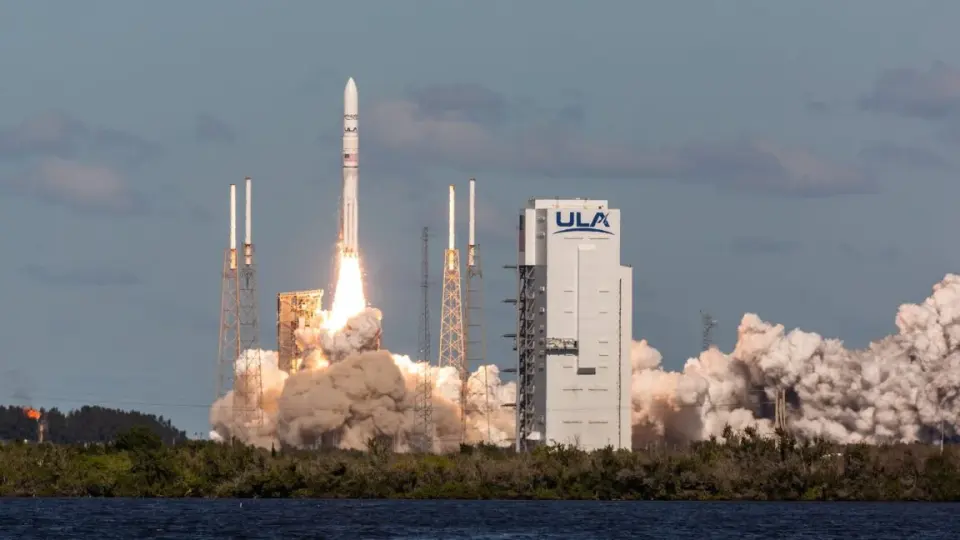
United Launch Alliance’s Vulcan rocket failed during its return-to-flight mission on November 15, losing 40 Amazon Leo satellites. This marks the first total mission failure for ULA since 2006, grounding the rocket indefinitely and delaying Amazon’s broadband network expansion. The incident threatens to increase US military reliance on SpaceX and may impact NASA’s Artemis program if the failure is linked to Blue Origin’s BE-4 engines.
Key points
- The Vulcan rocket launched from Cape Canaveral at 12:40 pm EST on November 15 but suffered an anomaly 10 minutes into the flight, failing to deliver its payload to orbit.
- The mission, designated Amazon Leo LV-01, was the first of 38 Vulcan launches contracted by Amazon to deploy its broadband satellite network, which currently has 396 satellites in orbit.
- ULA confirmed the failure but stated it lacked specific data on the cause; the rocket is expected to be grounded indefinitely pending investigation.
- The failure occurred after a nine-month pause following solid rocket booster nozzle issues, with the Space Force maintaining a hold on Vulcan for national security missions.
- The incident may impact Blue Origin’s New Glenn rocket, which uses similar BE-4 engines, and could delay NASA’s Artemis program if the Centaur upper stage is implicated.
Background
The Vulcan rocket had previously experienced partial failures on two of its first four flights, leading to a nine-month grounding by the US Space Force after a nozzle burn-through in February 2026. ULA implemented redesigns and new launch platforms before attempting this return-to-flight mission. Amazon had previously secured launches with SpaceX, Arianespace, and Blue Origin to mitigate delays, but this failure exacerbates its reliance on competitors.
How outlets are covering it
Ars Technica emphasizes the broader industry impact, noting the failure as a 'crushing setback' that will ripple across the US space sector and increase dependence on SpaceX. Bloomberg highlights the competitive disadvantage for ULA, framing the failure as a blow to a company already losing market share to SpaceX. Spaceflight Now focuses on the technical details, including the use of a redesigned booster nozzle and the first flight of a BE-4 engine since Blue Origin’s New Glenn explosion in May. Florida Today provides local coverage of the launch but offers no analysis on the failure’s implications.
Why it matters
The failure disrupts the US space industry’s efforts to reduce reliance on SpaceX, which is transitioning to Starship and may not certify it for national security missions soon. It delays Amazon’s broadband network expansion, which aims to compete with Starlink, and could impact NASA’s Artemis program if the Centaur upper stage is found faulty. The incident also raises questions about the reliability of Blue Origin’s BE-4 engines, which are used on both Vulcan and New Glenn rockets.
What to watch
ULA will investigate the failure to determine the cause and implement corrective actions, with customers expected to have visibility into the process. Amazon will likely rely on its 10 reserved SpaceX Falcon 9 launches and Arianespace’s Ariane 6 to continue deploying satellites. The Space Force may further shift national security missions to SpaceX, and NASA will monitor the investigation to ensure the Centaur upper stage is safe for future SLS missions.
- Vulcan rocket fails during launch, dealing major blow to SpaceX competitors Ars Technica
- Rocket from Boeing-Lockheed firm fails mid-flight, destroys payload of Amazon satellites Reuters
- ULA delays to Sunday Vulcan rocket launch of 40 Leo satellites for Amazon Spaceflight Now
- Pentagon Rocket Provider Hit by Failure While SpaceX Soars Bloomberg.com
- Florida rocket launch: ULA’s Amazon Leo 1 mission from Cape Canaveral Florida Today
Want the full story? Read the original reporting
Read on Ars Technica