
Vulcen failure traced to booster anomaly, not engines, in preliminary review
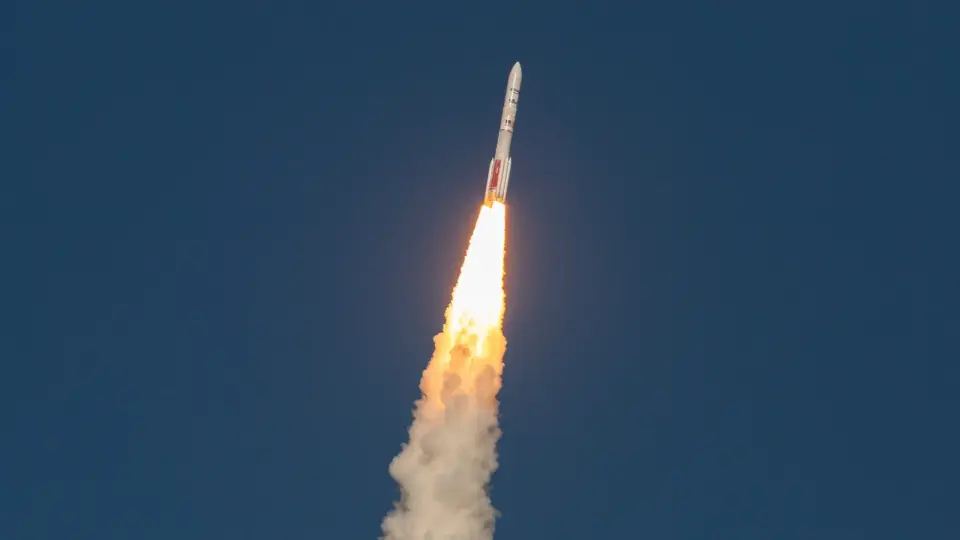
A United Launch Alliance Vulcan rocket failed on November 15, 2026, destroying 40 Amazon Leo satellites. Preliminary data suggests the issue originated in the booster stage rather than the BE-4 engines, potentially sparing Blue Origin's New Glenn program. The incident grounds Vulcan for months, deepening US launch capacity concerns.
Key points
- ULA confirmed the Vulcan Centaur experienced low booster performance shortly after liftoff, leading to stage separation at insufficient altitude and velocity.
- Preliminary data from two sources indicates the failure likely stems from propellant feed systems rather than the BE-4 engines themselves, though no definitive cause has been announced.
- The failure destroyed 40 Amazon Leo satellites, delaying the company's broadband constellation expansion and impacting its 2027 launch manifest.
- The incident grounds Vulcan for at least six months, exacerbating a US launch crunch as both Vulcan and Blue Origin's New Glenn remain out of commission.
- The US Space Force faces reduced capacity for national security payloads, with six missions already reassigned to SpaceX following previous Vulcan issues.
Background
This is the fifth flight of the Vulcan rocket since its January 2024 debut. Previous flights experienced solid rocket booster nozzle issues, leading to a nine-month grounding in 2026. ULA had recently resumed flights after implementing nozzle improvements. The failure marks the first total mission loss for ULA since 2006.
How outlets are covering it
Ars Technica emphasizes that preliminary data points away from the BE-4 engines, suggesting propellant feed issues, which could spare Blue Origin's New Glenn rocket. Space.com confirms the loss of 40 Amazon satellites and notes the Centaur upper stage performed nominally. Breaking Defense highlights the strategic impact, stating the failure deepens concerns over US military launch capacity and cements SpaceX's near-monopoly, as both Vulcan and New Glenn are currently grounded.
Why it matters
The failure threatens to delay Amazon's Amazon Leo constellation, which competes with SpaceX's Starlink. It also impacts NASA's Artemis program if the issue is linked to the BE-4 engines, which are used in New Glenn. The grounding of Vulcan and New Glenn creates a potential multi-year gap in US launch capacity, increasing reliance on SpaceX's Falcon 9 and Starship.
What to watch
The Federal Aviation Administration is overseeing an investigation led by ULA. Blue Origin is rolling out modified BE-4 valves for New Glenn, expecting to complete its anomaly investigation by late November. ULA has not announced a specific return-to-flight date for Vulcan, but it is likely to be sidelined for at least six months.
- Sources: Vulcan launch anomaly investigation is complex Ars Technica
- Amazon loses 40 Leo satellites as Boeing-Lockheed rocket fails DW.com
- Rocket from Boeing-Lockheed firm fails mid-flight, destroys payload of Amazon satellites Reuters
- ULA lost a Vulcan Centaur rocket 10 minutes after launch — but the failure began just after liftoff Space
- Vulcan failure deepens concerns over US military launch capacity Breaking Defense
Want the full story? Read the original reporting
Read on Ars Technica