
United Expands Niche Routes with Narrow-Bodies While Delta Sticks to Wide-Bodies
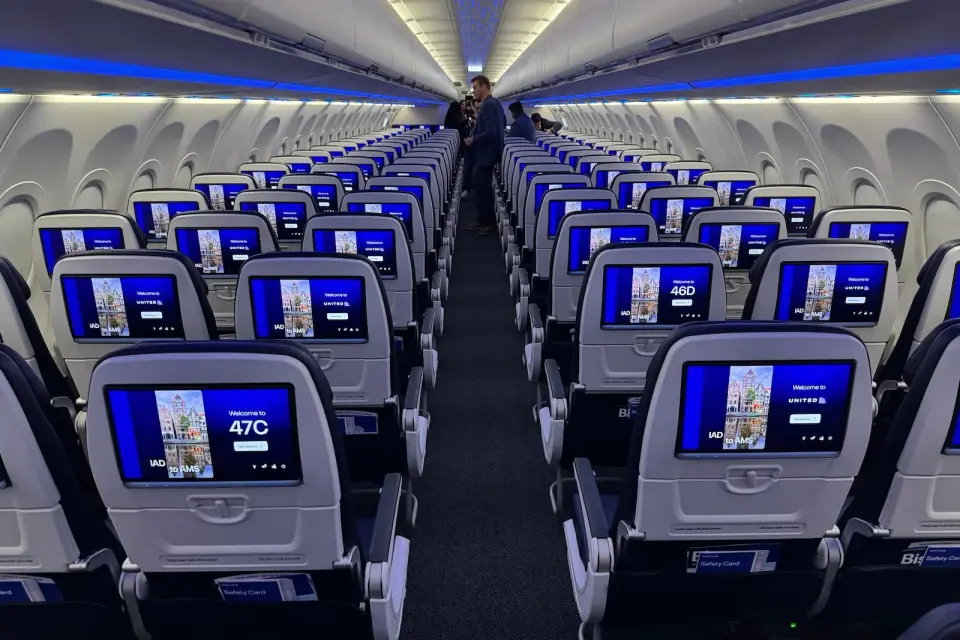
United Airlines is aggressively expanding its international network using smaller, premium-configured narrow-body aircraft to reach niche destinations, a strategy Delta Air Lines explicitly rejects in favor of traditional wide-body jets.
Key points
- United unveiled 10 new nonstop international routes for 2027, including destinations in Sicily, Slovenia, and the Azores, primarily using Airbus A321XLR and Boeing 767 aircraft.
- The airline is betting that travelers prefer direct flights to lesser-known destinations over connecting through major European hubs, even if the aircraft is smaller.
- Delta Air Lines' chief commercial officer stated that single-aisle planes are not the 'best product' for long-haul international travel, citing limited space and amenities.
- United’s new aircraft feature premium business and economy cabins, aiming to offset the drawbacks of narrow-body planes on transatlantic flights.
- This strategy aligns with a broader industry trend, as American Airlines and JetBlue have also deployed narrow-body jets for international routes.
Background
In recent months, Delta Air Lines has faced several operational disruptions, including a flight diversion due to a captain’s illness, a cybersecurity incident involving onboard Wi-Fi, and an emergency landing in Atlanta due to cockpit fumes. These incidents highlight ongoing safety and operational challenges for the carrier, contrasting with United’s focus on network expansion and premium product innovation.
How outlets are covering it
The Points Guy highlights United’s strategic shift toward narrow-body aircraft for international routes, emphasizing the premium features of the Airbus A321XLR and the appeal of nonstop service to niche destinations. CNBC corroborates this by detailing specific new routes and noting United’s profitability and focus on 'open-jaw' travel. However, Delta’s perspective, as reported by The Points Guy, strongly opposes this model, with its executive arguing that wide-body planes offer a superior product for long-haul flights due to space and comfort. While United and CNBC frame the move as a response to changing traveler preferences, Delta views it as an inferior product choice for international travel.
Why it matters
This divergence in strategy reflects a broader shift in the aviation industry, where airlines are adapting to changing traveler preferences for niche destinations and direct flights. United’s approach could redefine international travel by making smaller, less touristy destinations more accessible, while Delta’s stance highlights the ongoing debate over the trade-offs between aircraft size and passenger comfort on long-haul routes.
What to watch
United will launch its new routes in 2027, with the first flights departing in March. The airline will continue to expand its narrow-body international network, while Delta is expected to maintain its wide-body strategy for long-haul routes. The success of United’s approach will depend on passenger acceptance of narrow-body planes for international travel and the profitability of these new routes.
- United's all-in on this growing air travel trend. Delta isn't a fan The Points Guy
- United Airlines adds new routes, largest international expansion in company's history Fox Business
- United Just Announced Its Largest International Expansion Ever—With 10 New Destinations Across Europe and Asia Travel + Leisure
- United Airlines adds 2027 flights spanning Sardinia to Okinawa. Here's what it says about travel today CNBC
- United's Swanky New Jets Include Premium Seats, 4K Screens, and a Snack Bar. See the List of New Destinations inc.com
Want the full story? Read the original reporting
Read on The Points Guy