
China’s 24-Hour Mega Spas Blend Luxury Amenities with Budget-Friendly Escapism
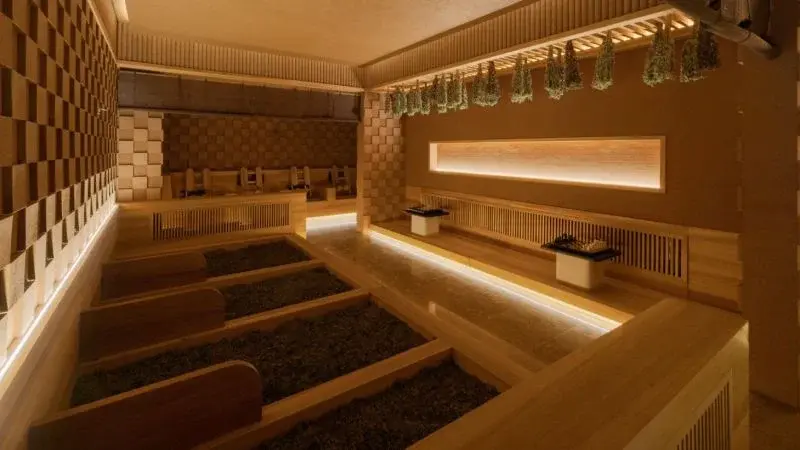
Chinese mega spas are evolving into massive, 24-hour entertainment complexes that combine traditional bathing with high-end amenities like scuba diving, cinemas, and all-you-can-eat buffets. These facilities, which charge around $40-$50 for overnight access, are attracting young urbanites seeking affordable 'efficient relaxation' and tourists looking for unique experiences. The trend reflects a shift in wellness culture, where spas serve as social hubs and stress-relief venues amidst economic pressures and intense academic competition.
Key points
- Mega spas in cities like Beijing, Shenzhen, and Harbin offer diverse amenities including billiards, karaoke, nap pods, and even scuba diving tanks.
- Entry fees are low, typically around 300-350 renminbi ($45-$52) for an overnight stay, making them a cost-effective alternative to hotels.
- The trend is driven by a desire for 'efficient relaxation' among busy urbanites and students facing high academic and job market pressures.
- Tourists are increasingly visiting these spas, aided by digital payment systems and translation apps, despite language barriers.
- The concept is expanding internationally, with a similar 24-hour facility opening in Singapore in May 2026.
Background
This development follows a broader trend in China where young people are seeking affordable ways to cope with economic anxiety and social pressure. As noted in previous coverage, figures like anthropologist Biao Xiang have gained popularity for addressing Gen Z's existential anxieties regarding employment and housing. The rise of mega spas aligns with this cultural shift, providing a physical space for decompression and social interaction in a society where mental health counseling remains stigmatized. Additionally, the government's efforts to lure tourists back through visa-free entry measures have contributed to the international appeal of these unique venues.
Why it matters
The rise of mega spas illustrates how cultural and economic pressures are reshaping leisure and wellness practices in China. By combining entertainment, relaxation, and socializing in one affordable package, these venues offer a practical solution for urbanites and students struggling with high stress and limited time. Furthermore, their growing popularity among international tourists highlights China's potential to attract visitors through unique cultural experiences, supporting the tourism sector's recovery post-pandemic.
What to watch
Expect the mega spa model to continue expanding within China and potentially in other Asian markets, as seen with the recent opening in Singapore. Operators may introduce more innovative amenities to maintain their social media appeal and attract both local and international visitors. The success of these venues could also influence the development of similar 'urban recharge' concepts in other countries, reflecting a global trend toward integrated wellness and entertainment spaces.
Want the full story? Read the original reporting
Read on CNN