
Drivers Adopt 'Hypermiling' Tactics as Iran War Pushes Gas Past $4
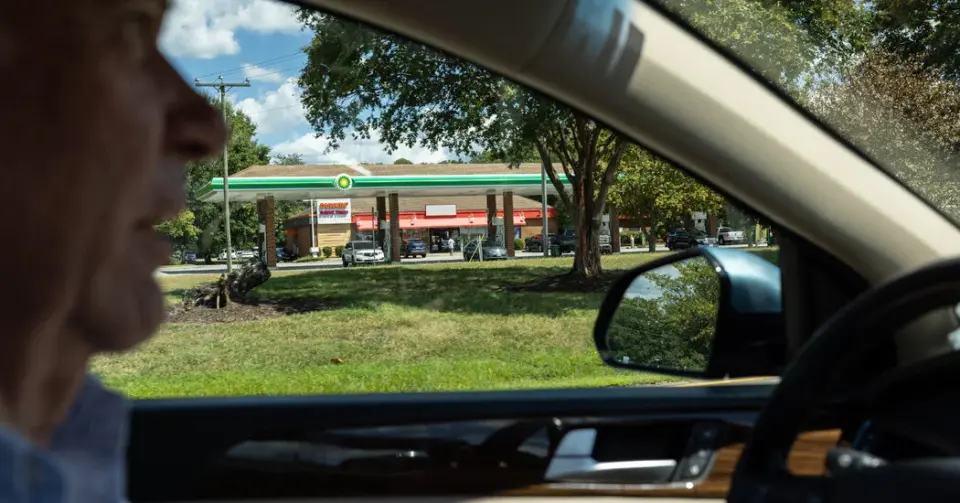
As U.S. gasoline prices exceed $4 per gallon due to the ongoing war with Iran, consumers are adopting extreme fuel-saving strategies. The New York Times reports that 'hypermilers' are using specific driving techniques to maximize miles per gallon, while AAA and local media highlight practical tips like proper tire inflation and using discount apps to mitigate rising costs.
Key points
- Gas prices have risen sharply since the start of the Iran conflict, with the national average exceeding $4 per gallon in late August 2026.
- The New York Times profiles 'hypermilers,' such as Dan Kroushl, who use gentle acceleration and coasting to improve fuel efficiency.
- AAA advises drivers to combine trips, maintain tire pressure, and use cruise control to reduce fuel consumption.
- KMOV highlights that apps like GasBuddy and Circle K’s Inner Circle can save drivers 3 to 33 cents per gallon.
- Consumer confidence has slipped to 89.4 in August as high energy costs persist despite stable labor market metrics.
Background
Gas prices have remained elevated throughout 2026, averaging around $4.10 in August, up approximately 45% year-to-date. This surge is driven by the Persian Gulf conflict and disruptions to the Strait of Hormuz, rather than increased demand. Previous archive notes indicate that while crude oil prices have fluctuated, refining capacity constraints have kept pump prices high, with the national average surpassing $4 for the first time this late in the year since 2000.
How outlets are covering it
The New York Times focuses on the behavioral shift toward 'hypermiling,' detailing how individual drivers are altering their driving habits to cope with high prices. In contrast, AAA and Peak of Ohio emphasize standard mechanical and logistical adjustments, such as removing roof racks and maintaining tire pressure. KMOV shifts the focus to financial tools, detailing how specific apps and rewards programs can provide immediate cash savings at the pump. While the NYT highlights the personal discipline required to save fuel, the other outlets suggest that technological and organizational solutions are more accessible for the average consumer.
Why it matters
Sustained high gas prices are eroding consumer confidence and increasing the cost of living. As geopolitical tensions in the Middle East continue to disrupt supply chains, the shift toward fuel-efficient driving and discount apps indicates a broader adaptation by households to manage economic pressure in a volatile energy market.
What to watch
Analysts suggest that fall demand may ease prices only modestly if the refining bottleneck persists. Consumers are likely to continue using fuel-saving apps and adjusting driving habits until the Iran conflict resolves or supply chains stabilize.
Want the full story? Read the original reporting
Read on The New York Times