The 2027 Toyota Sienna introduces a sixth-generation hybrid system, a larger standard infotainment screen, and improved fuel economy, with no exterior styling changes.
NASA’s Nancy Grace Roman Space Telescope now has enough fuel for at least 22 years of operations, double its original 10-year plan. This extension results from a lighter-than-planned spacecraft mass, a precise launch, and highly efficient initial trajectory corrections.
The Washington Post Editorial Board argues that the Trump administration's recent reduction of fuel efficiency standards will not stop the transition to electric vehicles, as consumer demand and market forces continue to drive adoption despite lower regulatory mandates.
NASA’s Nancy Grace Roman Space Telescope has extended its expected operational lifespan from 10 to 22 years due to exceptional fuel efficiency during its journey to the L2 point. The spacecraft, launched on August 30, 2026, used only 40 pounds of its 441-pound fuel budget for initial trajectory adjustments. This efficiency, combined with a lighter-than-planned weight and a fully filled fuel tank, added 12 years to its mission. The telescope’s Wide Field Instrument (WFI) and Coronagraph have successfully passed initial tests, with first science images expected in early 2027.
As U.S. gasoline prices exceed $4 per gallon due to the ongoing war with Iran, consumers are adopting extreme fuel-saving strategies. The New York Times reports that 'hypermilers' are using specific driving techniques to maximize miles per gallon, while AAA and local media highlight practical tips like proper tire inflation and using discount apps to mitigate rising costs.
Researchers at the University of Colorado Boulder have developed two new methods to control aircraft turbulence using engineered materials beneath the surface, potentially reducing fuel consumption without altering the aircraft's external shape.
Researchers used a functional-connections-based method to simulate 30 million Earth–Moon routes and found a previously hidden gravity-assisted trajectory that saves about 58.8 m/s of delta-v over the prior cheapest path, enabling cheaper Moon travel and uninterrupted Earth communication; further work could include solar gravity to push costs even lower.
Honda and Acura teased next-generation hybrid prototypes with a new platform, promising over 10% better fuel efficiency. The Honda sedan and Acura SUV are set to go on sale within two years, primarily in the US as part of a broader North American push. Honda aims for 15 hybrid models by 2030 and expects cost reductions with a new powertrain, funded by about 4.4 trillion yen (~$28B) for hybrids/gas models, plus roughly 0.8 trillion yen (~$5B) for future EVs; meanwhile, several EVs were canceled and Honda will continue EVs in Japan/Asia while reassessing the US strategy.
A Voronoi visualization estimates monthly gas costs by state using April 15, 2026 prices and average miles driven at 25.6 mpg. Wyoming leads at about $279 per month largely due to long drives (roughly 1,830 miles per month), while New York spends about $132 monthly because of dense, shorter trips (around 817 miles per month). The national average is about $190. The main insight is that distance traveled, not just gas prices, drives most Americans’ fuel bills, with rural states typically paying more despite lower prices.
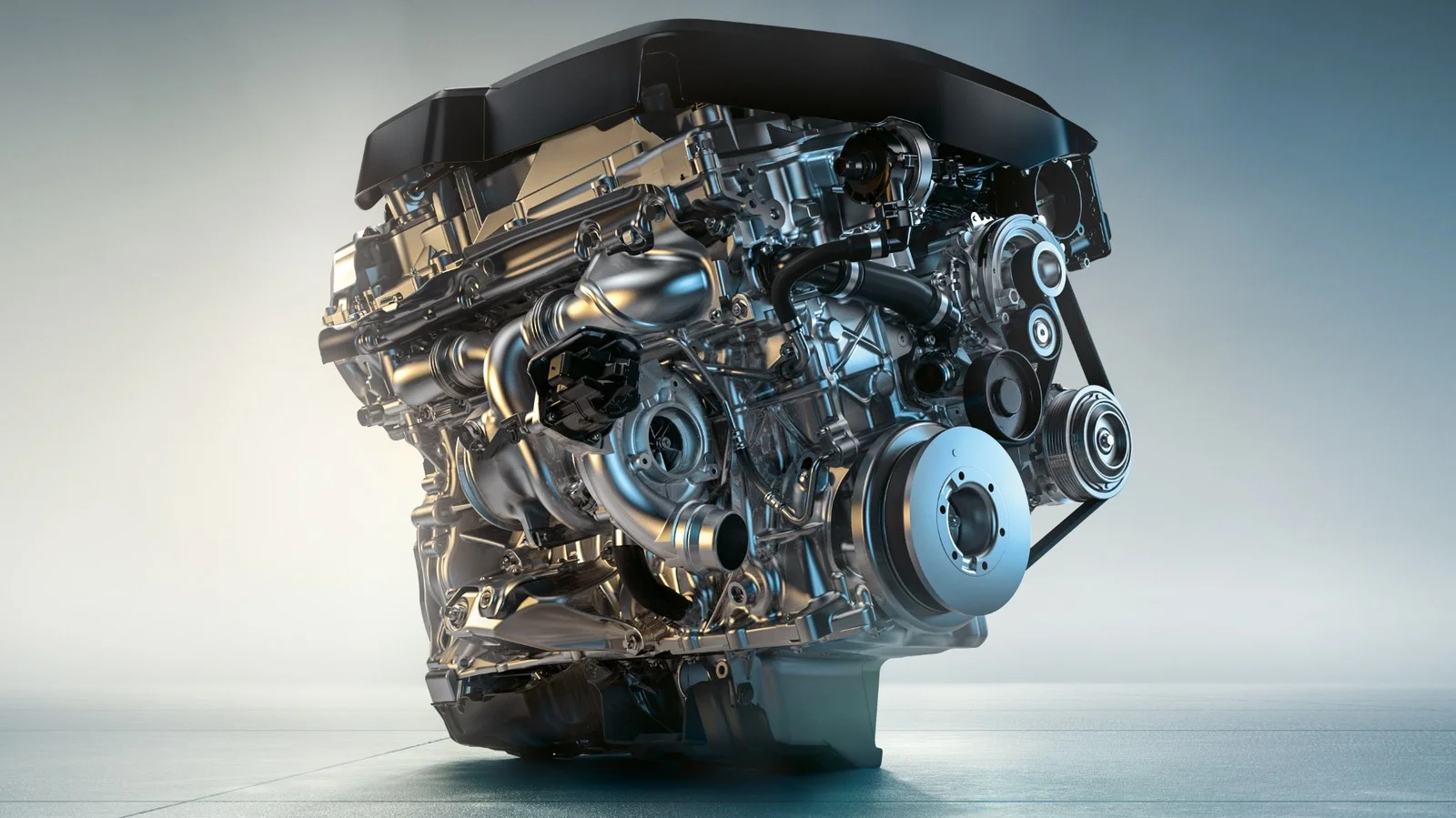
BMW shifted from its older non-sequential Twin Turbo setup on the 3.0-liter inline-sixes to a single twin-scroll turbo (the N55) to cut fuel consumption and emissions, simplify under-hood packaging, and reduce maintenance costs. The twin-scroll design improves exhaust-pulse efficiency and speeds up turbo spool, a move BMW highlighted when switching from the N54 to the N55 around 2009; some engines in other brands still use two turbos for packaging or performance gains, such as banked layouts in the Audi S4 or Porsche 911.
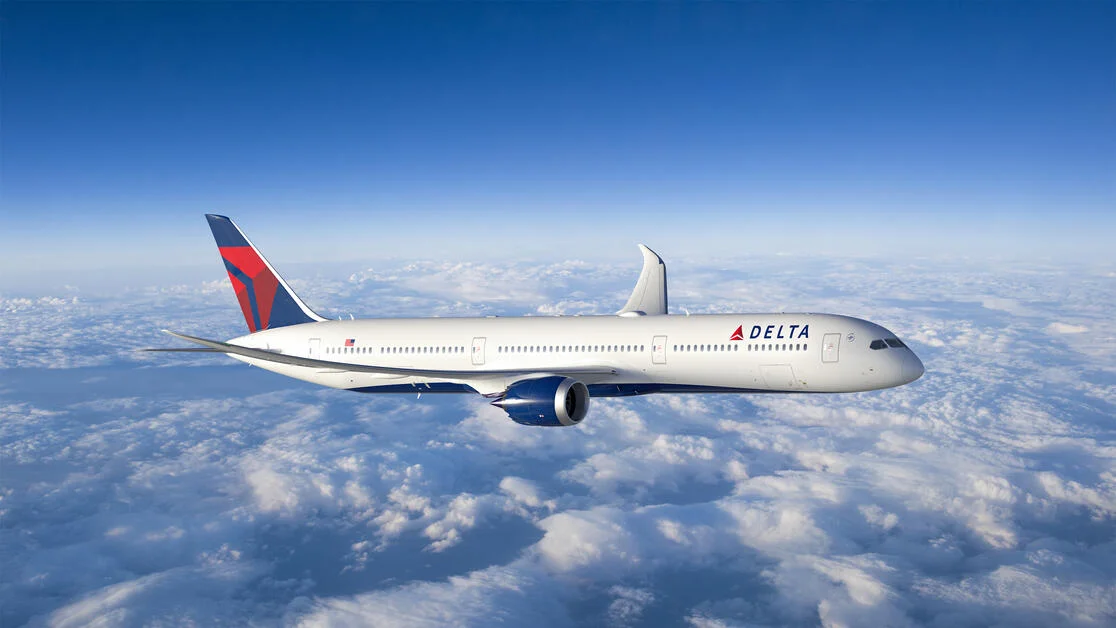
Delta Air Lines will add 30 Boeing 787-10 Dreamliners to its widebody fleet, introducing a new aircraft type to support international growth, offering about 25% better fuel efficiency per seat, larger premium cabins and enhanced onboard amenities powered by GE’s GEnx engines as part of a broader fleet modernization and international expansion plan.
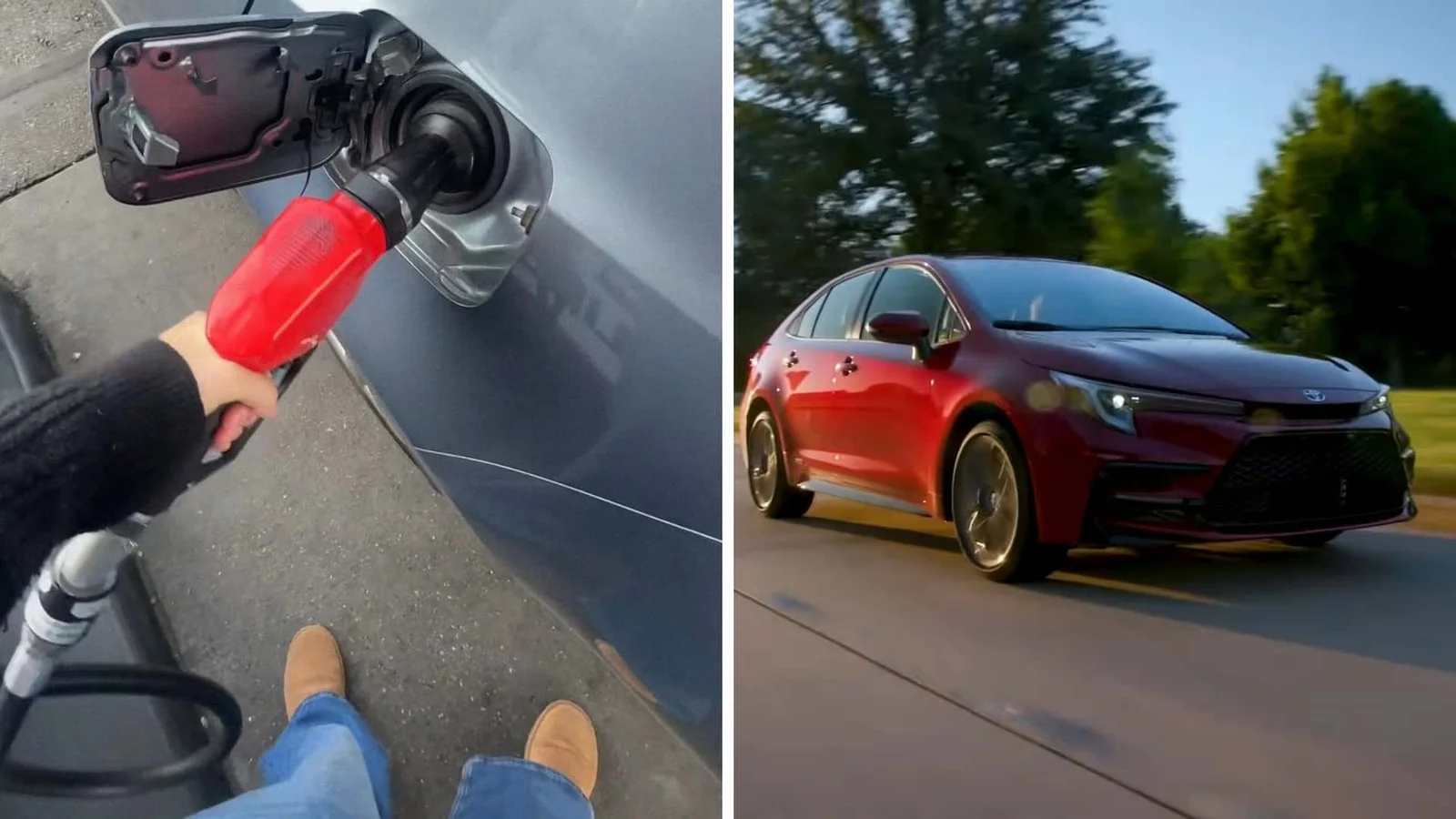
A viral video shows a Toyota Corolla filling from empty for $22.61, highlighting strong fuel economy (roughly 30–40 mpg, over 50 mpg for hybrids) and noting 2026 gas prices are forecast to average about $2.97 per gallon with regional variation; the piece also contrasts sedan efficiency with SUVs and mentions potential yearly savings from choosing a fuel-efficient car.
President Trump plans to weaken fuel efficiency standards for cars and trucks, potentially impacting environmental policies and automotive industry regulations.
3-cylinder engines are more fuel-efficient and lighter than 4-cylinder engines, making them ideal for compact vehicles, but they tend to have rougher idling and less power at high speeds. They also have fewer parts, which can reduce maintenance costs, but may not provide the smoothness or acceleration some drivers desire.
A century after its initial demonstration, Flettner rotor technology, which uses spinning towers to harness wind for propulsion, is gaining popularity in the maritime industry, with at least 35 ships now using the technology to reduce fuel costs and emissions, driven by modern needs for decarbonization and advancements in materials and AI.