
France attributes massive European freezer cyberattacks to Iranian IRGC unit
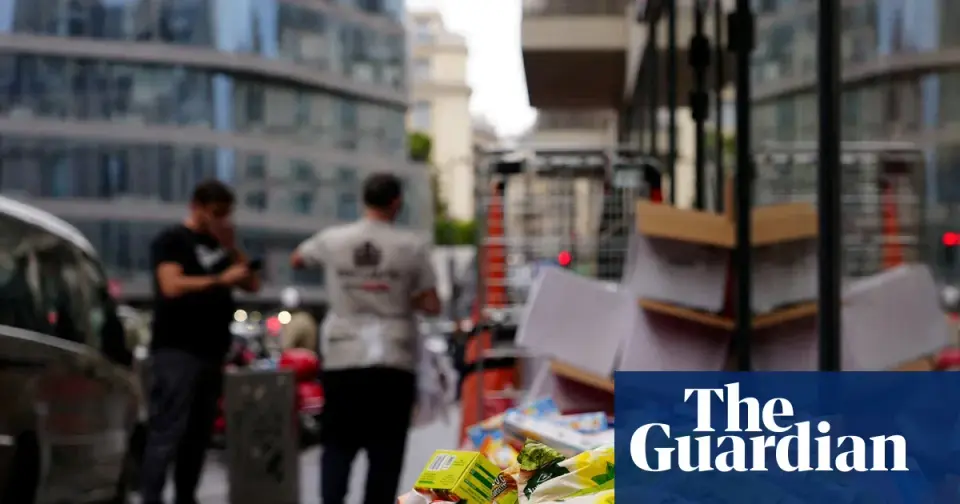
French authorities have formally attributed a series of cyberattacks targeting supermarket freezers and blood banks to the Shahid Kaveh unit of Iran’s Islamic Revolutionary Guard Corps. The attacks, which caused temperatures to spike above 50C and destroyed thousands of tons of food, have prompted Paris to summon the Iranian ambassador and call for EU-wide sanctions. While the initial French incident in October was severe, similar attacks have since hit retailers in at least eleven European countries and a French blood bank, raising concerns about the vulnerability of internet-connected industrial hardware.
Key points
- French Foreign Minister Jean-Noël Barrot confirmed that the IRGC’s Shahid Kaveh unit is responsible for the October cyberattack on French supermarkets, describing it as an act of unprecedented aggression.
- The Paris prosecutor’s office opened an investigation against the head of Shahid Kaveh and his deputies, citing evidence such as Farsi language usage and IP addresses traced to Iran.
- The attacks involved remotely overriding digital thermostats, pushing temperatures from -27C to over 50C, which caused massive food spoilage and triggered fires in some stores.
- France has summoned the Iranian ambassador and is pushing for Europe-wide sanctions, with EU foreign affairs chief Kaja Kallas agreeing to discuss a strong response at the upcoming foreign affairs council.
- Similar incidents have since occurred in at least eleven European countries, including the UK, Belgium, and Sweden, as well as at a French blood bank, though it is not yet clear if all attacks are linked.
Background
This attribution follows a pattern of escalating cyber incidents targeting critical infrastructure in Europe. In late October, a similar attack on French freezers caused tens of millions of euros in losses, with experts suspecting state-sponsored actors. Earlier in November, a second wave of attacks hit European supermarkets and a French blood bank, where technicians managed to disconnect systems before blood products were destroyed. The current developments come after the EU designated the IRGC a terrorist organization earlier this year, a move that ended years of diplomatic division within the bloc.
How outlets are covering it
The Guardian and CNN align on the French government’s official attribution of the attacks to Iran’s IRGC, emphasizing the scale of the damage and the diplomatic response. The Guardian highlights the specific legal charges brought by the Paris prosecutor, while CNN notes that Tehran has not yet commented on the allegations. The Atlantic provides a broader technological perspective, questioning why internet-connected fridges have become such a significant vulnerability for hackers, noting that while the attacks have caused chaos, it is unclear if all incidents are connected or if they share a single goal beyond sowing disruption. The Atlantic also mentions potential impacts on US military bases, a detail not present in the French or CNN reports.
Why it matters
The formal attribution by France to a state actor marks a significant escalation in cyber warfare, moving from anonymous hacking to state-sponsored sabotage of critical infrastructure. The potential for EU-wide sanctions could reshape diplomatic relations between Europe and Iran. Furthermore, the widespread nature of the attacks across multiple countries highlights critical security gaps in industrial hardware, prompting a reassessment of how essential services like food distribution and blood banks are protected against remote cyber threats.
What to watch
The EU foreign affairs council is scheduled to meet next Monday to discuss a potential response to the cyberattacks. France is expected to push for coordinated sanctions against the IRGC. Investigations into the specific individuals involved in the Shahid Kaveh unit will continue, and cybersecurity experts warn that similar attacks could target other critical systems, such as water or electricity, in the future.
- Iran was behind cyber-attack on French supermarket freezers, Paris says The Guardian
- France blames Iran for ‘unprecedented’ supermarket fridge cyberattack CNN
- France blames Iran for mass-hacks targeting freezers in grocery stores and blood banks TechCrunch
- Perhaps Connecting Fridges to the Internet Was a Bad Idea The Atlantic
- France accuses Iran’s Revolutionary Guards of hacking supermarket refrigerators NBC News
Want the full story? Read the original reporting
Read on The Guardian