
Iran doubles fuel costs for top users as war strains economy
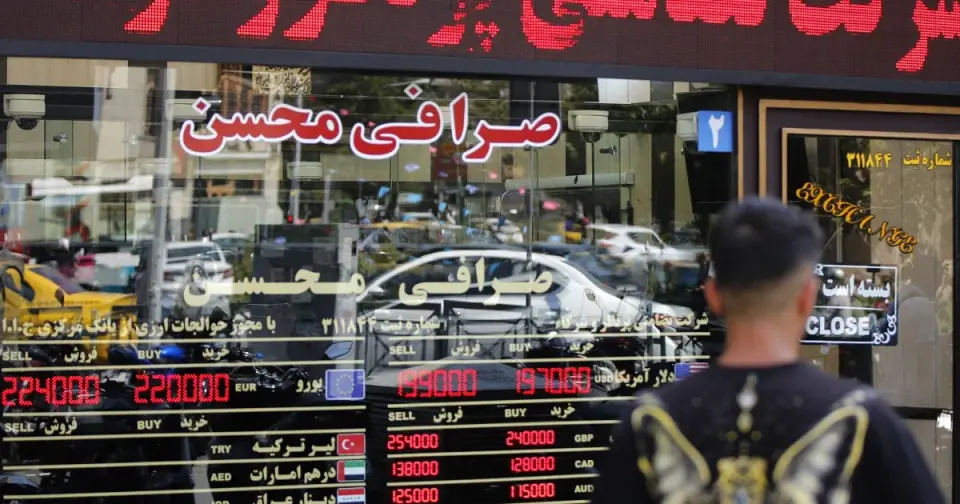
Iran has implemented a new tiered gasoline pricing system, doubling costs for heavy consumers to address economic pressures from ongoing conflict. The move affects 15% of users and aims to curb record-high consumption, though it risks exacerbating inflation.
Key points
- Iran introduced a higher price for gasoline exceeding a monthly quota of 110 liters, doubling the cost to 100,000 rials per liter for those affected.
- The policy, the second hike since December, targets 15% of consumers and is linked to record daily consumption of 145 million liters in August, which exceeds domestic production capacity.
- The government cited the 'current situation' without explicitly naming the war with the United States, stating that revenue from the hike will be redistributed to households.
- Iran faces an annual inflation rate of approximately 67%, and the rial has fallen to record lows, with the U.S. dollar trading at 2.22 million rials.
- Residents in Tehran expressed concern that the price increase will further strain affordability for basic goods like food, with some predicting additional hikes in coming months.
Background
This development follows a period of heightened U.S.-Iran tensions that disrupted energy markets and raised global fuel prices. Earlier in 2026, American consumer confidence dipped due to rising gas costs linked to the conflict, while U.S. inflation showed signs of cooling in July despite energy volatility. The current Iranian measure reflects the domestic economic fallout of the broader geopolitical instability.
Why it matters
The price hike highlights the severe economic strain on Iran, where cheap fuel is historically viewed as a social right. With inflation already high and currency values plummeting, this policy could deepen public discontent or serve as a necessary step to manage energy deficits, influencing regional stability and global energy dynamics.
What to watch
Monitor for potential public unrest or further economic adjustments in Iran. Watch for any diplomatic developments between the U.S. and Iran that might impact energy supplies or inflation rates in the coming months.
Want the full story? Read the original reporting
Read on NBC News