
Star Trek's 60th Anniversary: How Fictional Diversity Shaped Real-World Space Policy
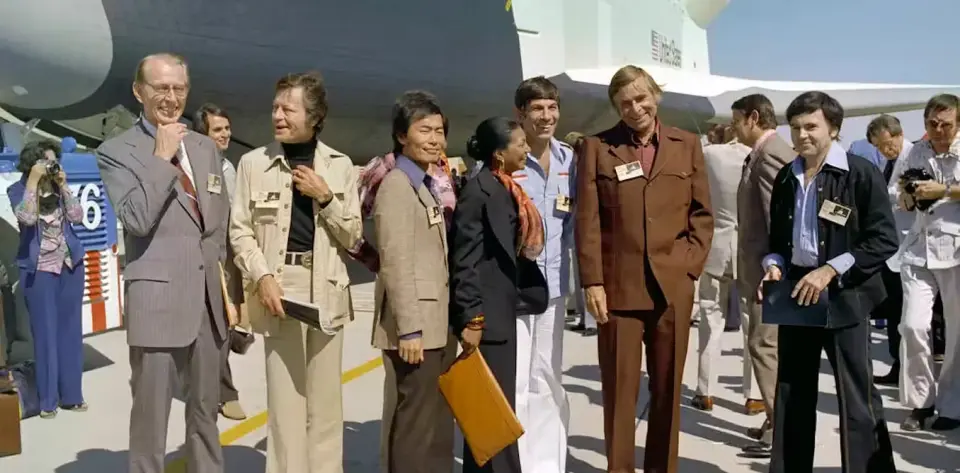
Marking its 60th anniversary, Star Trek is recognized not just as a pop culture phenomenon but as a catalyst for real-world diversity in space exploration. The show's core philosophy of 'infinite diversity in infinite combinations' influenced NASA's recruitment of women and minorities, while its optimistic vision continues to inspire scientists and fans across generations despite recent political rollbacks of diversity programs.
Key points
- Gene Roddenberry's concept of 'infinite diversity in infinite combinations' (IDIC) directly influenced the diverse crew of the original series and later NASA's inclusive recruitment strategies.
- In 1977, NASA hired Nichelle Nichols to recruit new astronauts, leading to the first Black and female astronaut candidates in 1978, a move aligned with Star Trek's values.
- Recent milestones, including the 2025 astronaut class having more women than men and the Artemis II crew including the first Black and Canadian astronauts, reflect the diverse future Star Trek imagined.
- The Trump administration's recent orders to dismantle NASA's diversity, equity, and inclusion (DEI) programs threaten the institutional support for the inclusive future Star Trek championed.
- Star Trek's fandom spans multiple generations, with fans citing the show's optimistic and inclusive values as a source of inspiration and a counter to current political divisions.
Background
Star Trek premiered on September 8, 1966, and has since expanded into a massive franchise with over a dozen spinoff shows and movies. The show's creator, Gene Roddenberry, established relationships with NASA early on, with the agency providing technical advice and footage. The show's diverse cast, including a Russian, Black, Japanese, and female characters in positions of authority, was a radical departure from the norms of the time. The show's cancellation after three seasons was averted by a massive fan letter-writing campaign, and its subsequent success in syndication led to a dedicated fan community. The show's influence on real-world space exploration has been documented by cultural anthropologists and historians, with many space professionals citing Star Trek as a key inspiration for their careers.
How outlets are covering it
The Conversation emphasizes the direct link between Star Trek's IDIC philosophy and NASA's inclusive recruitment, noting the recent rollback of DEI programs as a threat to this progress. The New York Times focuses on the intergenerational nature of the fandom and the shared values of optimism and inclusivity, highlighting how the show's principles have been passed down through families. The Los Angeles Times highlights the show's political relevance in times of national division, with cast members and fans arguing that Star Trek's message of collaboration and diversity is more important than ever. Space.com, while less focused on the diversity aspect, notes the show's enduring popularity and its impact on real-world technology and science.
Why it matters
Star Trek's 60th anniversary is a moment to reflect on the power of fiction to shape reality. The show's vision of a diverse and inclusive future for space exploration has had a tangible impact on NASA's policies and the composition of its astronaut corps. However, the recent political rollback of DEI programs at NASA threatens to undo this progress, highlighting the ongoing struggle for inclusivity in science and technology. Star Trek's enduring popularity and its message of hope and collaboration offer a counter-narrative to current political divisions and serve as a reminder of the potential for a better future.
What to watch
The future of Star Trek's influence on real-world space exploration is uncertain, given the recent political changes at NASA. However, the show's enduring popularity and its message of inclusivity and optimism suggest that its impact will continue to be felt for generations to come. The upcoming 60th anniversary celebrations and the continued production of new Star Trek series will likely keep the show's message of diversity and collaboration in the public eye.
- ‘Star Trek’ and NASA have intertwined legacies – the show championed diversity and inspired generations of real space scientists The Conversation
- ‘Star Trek’’s Intergenerational Fan Base Shares More Than Just Quotes The New York Times
- ‘Star Trek’ is celebrating its 60th anniversary. Why its optimistic vision of the future endures latimes.com
- As 'Star Trek' turns 60, we take the iconic sci-fi franchise to sickbay for a full health report space.com
- 60 years later, 'Star Trek' continues to 'live long and prosper' NPR
Want the full story? Read the original reporting
Read on The Conversation