
Scotland's Bluetongue Crisis: Farmer's Guilt Amid Vaccine Shortage
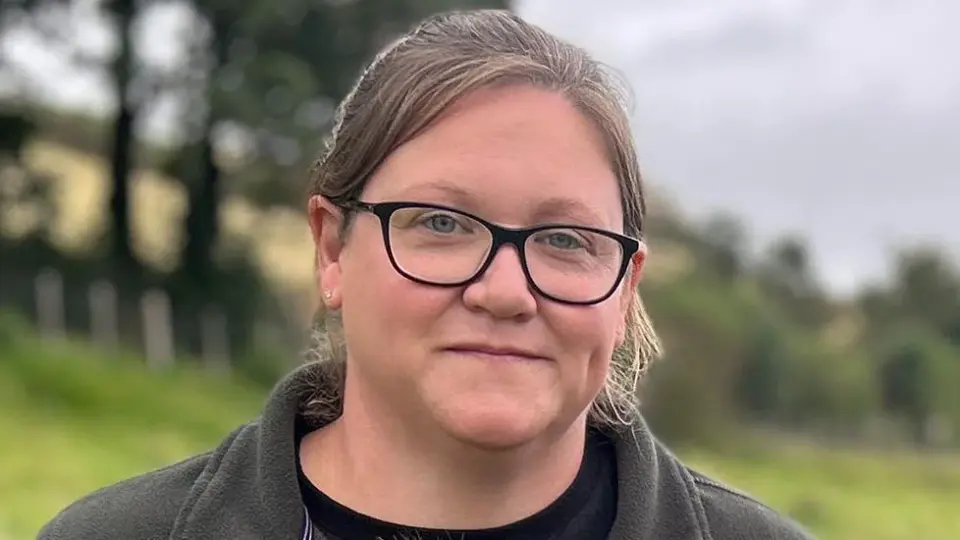
Scotland’s first bluetongue case in Creetown has spread to four farms, prompting urgent vaccination calls amid severe supply shortages. While the virus does not affect humans, it threatens livestock fertility and causes high mortality in sheep. Farmers face financial risks from potential movement restrictions, though officials currently deem the outbreak low prevalence.
Key points
- Fiona Johnson’s farm in Creetown recorded Scotland’s first bluetongue case in August, leading to the euthanasia of an infected lamb.
- The virus has since been detected in five animals across four holdings within a 2km radius in Dumfries and Galloway.
- Vaccine supplies are critically low; one vet reported 20,000 doses sold out within 48 hours.
- Officials have not imposed a disease control zone, citing low prevalence, but urge immediate vaccination.
- Experts attribute the spread to windborne midges carrying the virus from England, where 439 cases are active.
Background
This outbreak follows earlier reports in August 2026 confirming the first Scottish cases. Previous coverage highlighted the rapid spread to neighboring farms and the immediate scramble for vaccines. The current situation reflects the ongoing challenge of containing the virus despite initial containment efforts.
How outlets are covering it
BBC emphasizes the emotional toll on farmer Fiona Johnson, who feels guilty despite no fault, and highlights the vaccine shortage. ITVX focuses on the technical spread, noting five positive cases across four farms and the lack of a formal disease control zone. NFU Cymru stresses the need for vigilance and vaccination as the primary defense, while NFU Scotland warns of financial impacts from potential movement restrictions. All sources agree on the windborne transmission theory from England.
Why it matters
The outbreak threatens the Scottish livestock industry through potential movement restrictions and financial losses. The severe vaccine shortage exacerbates the risk of further spread, impacting both small and large-scale farmers. While the virus does not affect humans, its impact on animal welfare and breeding capacity poses significant economic risks to the agricultural sector.
What to watch
Farmers are urged to vaccinate their livestock immediately, though supply constraints remain a major hurdle. Authorities will monitor the situation closely, with the possibility of imposing movement restrictions if prevalence increases. Continued vigilance and reporting of suspected cases are critical to containing the outbreak.
- 'I feel guilty' - the farmer whose lamb had Scotland's first case of bluetongue Yahoo
- 'I feel guilty': The farmer whose lamb had Scotland's first case of bluetongue BBC
- Further cases of potentially deadly bluetongue virus found | ITV News ITVX
- Vaccination and vigilance remain the best form of defence against Bluetongue urges NFU Cymru NFU Cymru
- Farmers warned of continuing rise in bluetongue (BTV-3) cases AHDB
Want the full story? Read the original reporting
Read on Yahoo