
Rescuers Save Injured Bat Named Nibbles After Online Call for Euthanasia
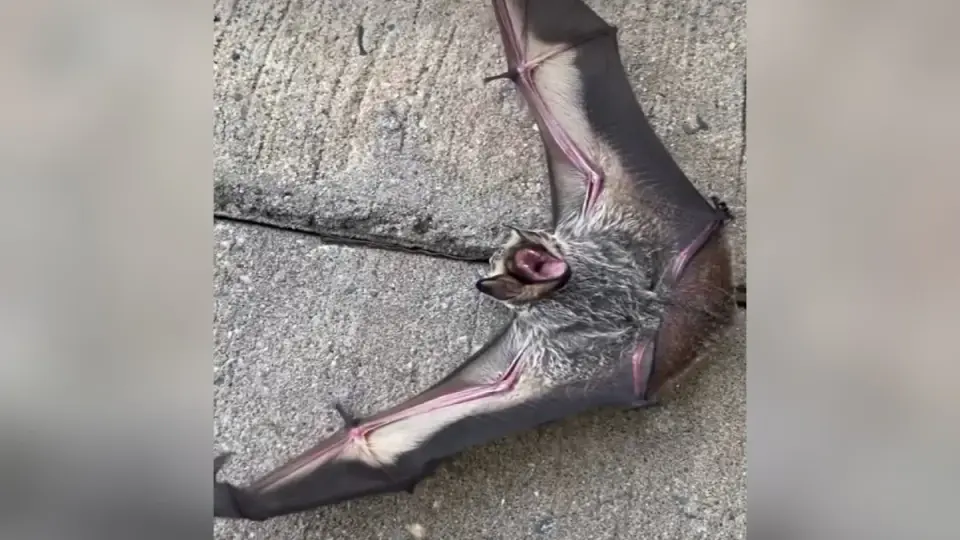
A juvenile hoary bat in southern Pennsylvania was found injured after a thunderstorm and initially faced online calls for euthanasia due to perceived rabies symptoms. Wildlife experts identified the behavior as a natural defense mechanism, rescued the bat, and named him Nibbles. After months of care for severe head trauma, Nibbles bonded with another rescued bat named Clover, aiding his recovery as he continues to work on flight skills.
Key points
- A Good Samaritan found a flailing juvenile bat in southern Pennsylvania after a severe thunderstorm and posted about it online.
- Online comments urged authorities to euthanize the bat, assuming its erratic movements and bared fangs indicated rabies.
- Pennsylvania Bat Conservation and Rehabilitation (PBCR) identified the behavior as a natural defensive mechanism common in young hoary bats.
- PBCR rescued the bat, named him Nibbles, and diagnosed severe head trauma requiring months of intensive care.
- Nibbles struggled with flight and landing but formed a strong bond with another rescued bat named Clover, which supported his rehabilitation.
- PBCR continues to work on Nibbles' cognitive function and flight skills with the goal of eventual release.
Background
This story highlights ongoing challenges in wildlife rescue, where public misconceptions about animal behavior often lead to calls for euthanasia. Previous coverage on animal bonding, such as the Golden Retriever and baby stories from August 2026, underscores the public's interest in interspecies and intraspecies friendships, though this case focuses on a bat's recovery through companionship with another bat rather than a human-animal bond.
Why it matters
The incident illustrates the critical role of expert wildlife rehabilitators in countering public misinformation about rabies and animal behavior. It demonstrates how proper care and social bonding can aid recovery in injured wildlife, potentially leading to successful releases. The case also serves as a reminder for the public to contact licensed rehabilitators rather than advocating for euthanasia when encountering distressed animals.
What to watch
PBCR will continue monitoring Nibbles' progress in flight and cognitive function. If he achieves sufficient stability, the organization plans to release him back into the wild. Clover may also be released if her condition allows, or she may remain in care depending on her recovery.
Want the full story? Read the original reporting
Read on The Dodo