Tag

Wildlife Rehabilitation

All articles tagged with #wildlife rehabilitation

UK woman raises orphaned swift in bedroom for 17 days before releasing it to migrate
wildlife18 days ago

UK woman raises orphaned swift in bedroom for 17 days before releasing it to migrate

A UK wildlife enthusiast successfully rehabilitated a heat-stressed baby common swift in her bedroom over 17 days, releasing it just before the species's mass migration to Africa. The bird, which weighed only 24g initially, required intensive care including 100 crickets daily to reach the necessary 38g weight and 15cm wing length for flight. This individual rescue highlights the broader crisis facing the species, which has declined by over 60% in Britain since the 1990s due to habitat loss from building renovations and modern insulation materials. Fewer than 40,000 pairs remain in the UK, making every successful recovery significant for the population's survival. The swift, believed to be female, was released into a meadow after observing other swifts, joining a group of 30 birds preparing for their long-distance journey. Adult swifts can fly non-stop for nine months and live up to 20 years, covering distances equivalent to eight trips to the moon. The story underscores the critical need for cavity-nesting habitat in urban areas and the specialized care required for these ancient birds, whose lineage dates back 50 million years. The successful release demonstrates that even without professional rehabilitation centers, dedicated individuals can contribute to conservation efforts for endangered species. The swift's return is expected in approximately 1,000 days, completing its first migration cycle. This case illustrates the intersection of human habitation and wildlife needs, as swifts adapted to buildings after forests were cleared but now struggle with modern construction standards that block their nesting sites. The emotional bond formed during the 17-day care period highlights the complex relationship between humans and urban wildlife, showing how personal intervention can support species survival in the face of environmental challenges. The release occurred in July, coinciding with the peak migration period when swifts travel over the Sahara to Africa. The story serves as a reminder of the importance of maintaining traditional building features that support wildlife, as well as the potential for individual action in conservation. The swift's successful flight into the sky marked the end of its dependency on human care and the beginning of its independent life as one of the most aerial birds on Earth.
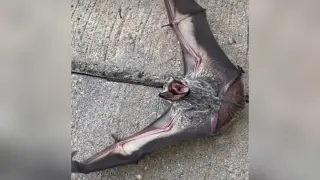
Rescuers Save Injured Bat Named Nibbles After Online Call for Euthanasia
animals2 months ago

Rescuers Save Injured Bat Named Nibbles After Online Call for Euthanasia

A juvenile hoary bat in southern Pennsylvania was found injured after a thunderstorm and initially faced online calls for euthanasia due to perceived rabies symptoms. Wildlife experts identified the behavior as a natural defense mechanism, rescued the bat, and named him Nibbles. After months of care for severe head trauma, Nibbles bonded with another rescued bat named Clover, aiding his recovery as he continues to work on flight skills.

Big Bear Eagle Jackie’s Anemia Worsens as PCV Drops to 13%

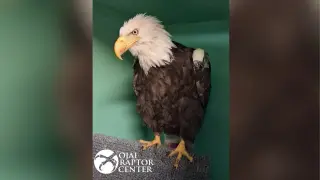
Big Bear Eagle Jackie’s Anemia Worsens as PCV Drops to 13%

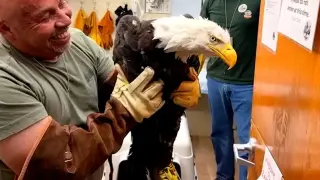
Jackie, the famous bald eagle from Big Bear Valley, has experienced a significant medical setback. Her packed cell volume (PCV) has dropped to 13%, indicating her anemia has worsened despite previous improvements. The Ojai Raptor Center is conducting advanced diagnostic tests to determine the cause of her illness, which remains unclear after ruling out lead poisoning, cancer, and foreign objects. Jackie received a life-saving blood transfusion from another eagle named Spirit and continues to receive around-the-clock care. While she remains alert and eating, her condition is described as complex and serious. The center has asked the public to respect the privacy of the veterinary team as they work to stabilize her condition.

Big Bear Bald Eagle Jackie Fights for Recovery Amid Severe Anemia
science4 months ago

Big Bear Bald Eagle Jackie Fights for Recovery Amid Severe Anemia

Jackie, the bald eagle featured on Big Bear Valley’s nest cam, is in critical condition at the Ojai Raptor Center after an altercation with two subadult eagles. Early bloodwork shows severe anemia and kidney inflammation; veterinarians are pursuing further tests and providing supportive care, with staff asking the public not to disturb them as updates are shared.

Box Truck Employee Discovers Stowaways After 700-Mile Trip
world1 year ago

Box Truck Employee Discovers Stowaways After 700-Mile Trip

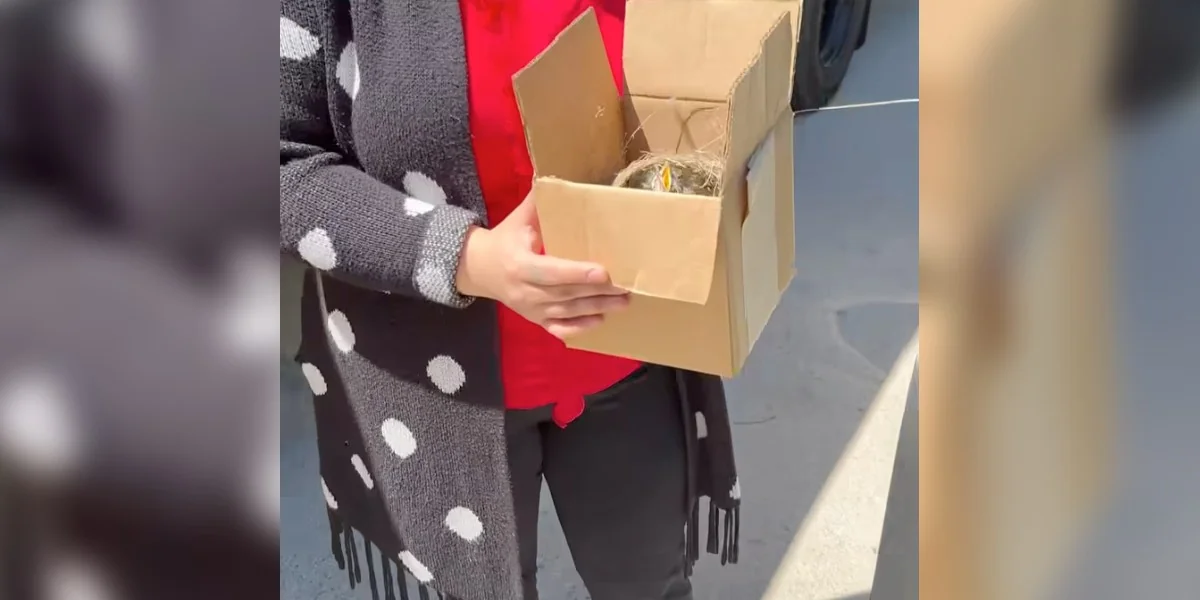
A box truck traveling 700 miles in Long Island was found to contain a nest with three baby robins, which were rescued and cared for by Sweetbriar Nature Center after surviving the journey without food or water. The center successfully rehabilitated the birds, which were released after about four weeks, highlighting their resilience and the importance of wildlife rescue efforts.

Milwaukee County Reports Surge in Raccoons with Canine Distemper
health2 years ago

Milwaukee County Reports Surge in Raccoons with Canine Distemper

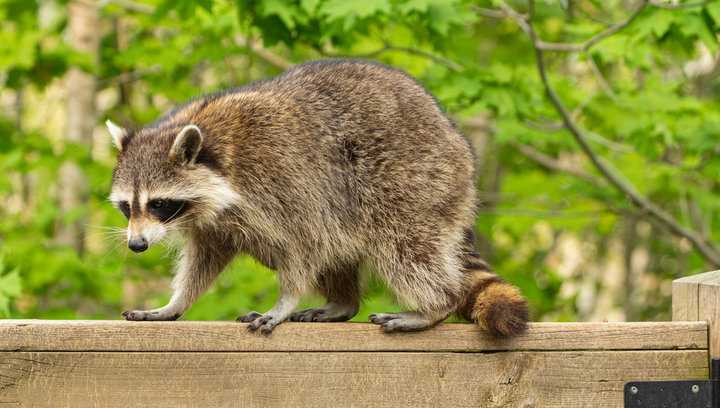
The Wisconsin Humane Society's Wildlife Rehabilitation Center has reported a significant increase in raccoons with canine distemper in Milwaukee County, with about 350 cases this year, three times the usual number. Canine distemper is highly contagious among animals but not humans, spreading through direct contact, air, or contaminated surfaces. Symptoms include nasal and eye discharge, lethargy, and odd behavior. The affected raccoons were either found deceased or euthanized. Residents are advised to report sick raccoons and ensure their dogs are vaccinated, with the Humane Society offering $16 vaccine clinics.

Emperor Penguin's Unprecedented Journey to Australian Shores
environment2 years ago

Emperor Penguin's Unprecedented Journey to Australian Shores

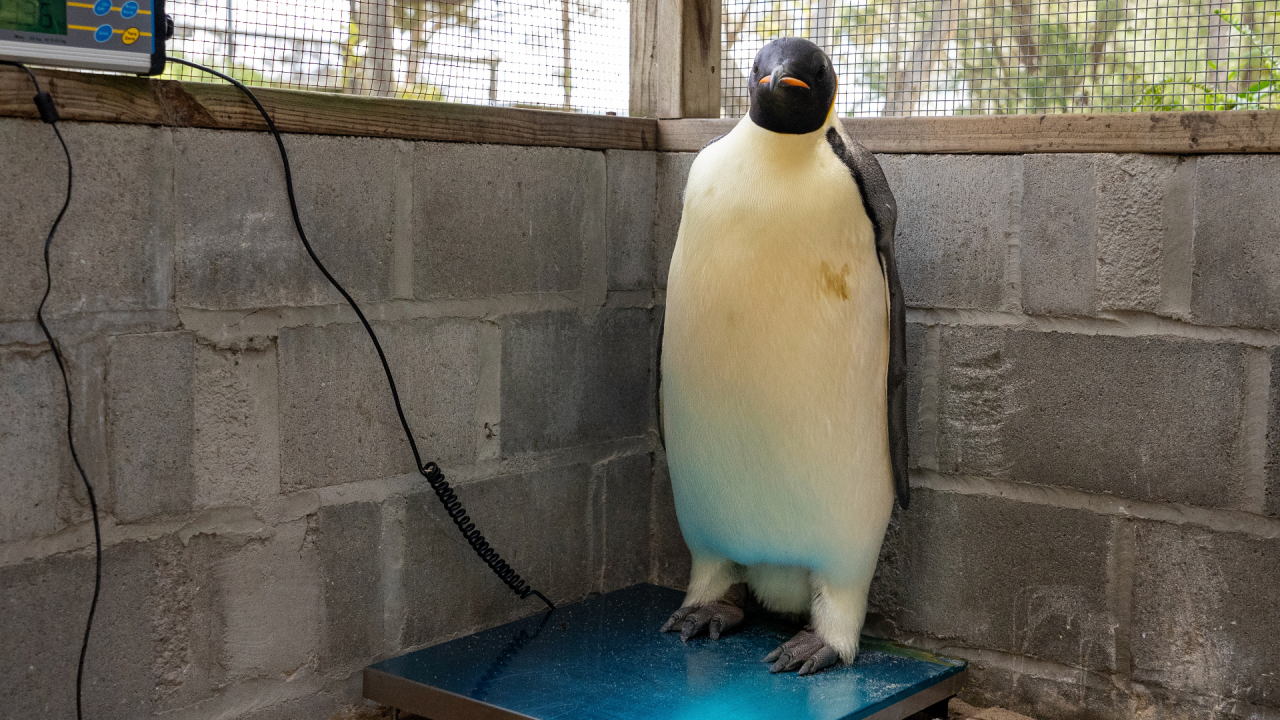
An emperor penguin, the first of its species to be found in Australia, was discovered malnourished on a beach in Denmark, Western Australia, far from its Antarctic habitat. The penguin, an adult male, is being cared for by wildlife experts who are working to rehabilitate it, including using chilled water mist to help it adapt to the warmer climate. Weighing only 23 kilograms, the penguin is significantly underweight, as healthy males typically weigh over 45 kilograms. Authorities are considering options for potentially returning the penguin to Antarctica.

Nox the Falcon: Revolutionizing Avian Veterinary Care
science-and-technology2 years ago

Nox the Falcon: Revolutionizing Avian Veterinary Care

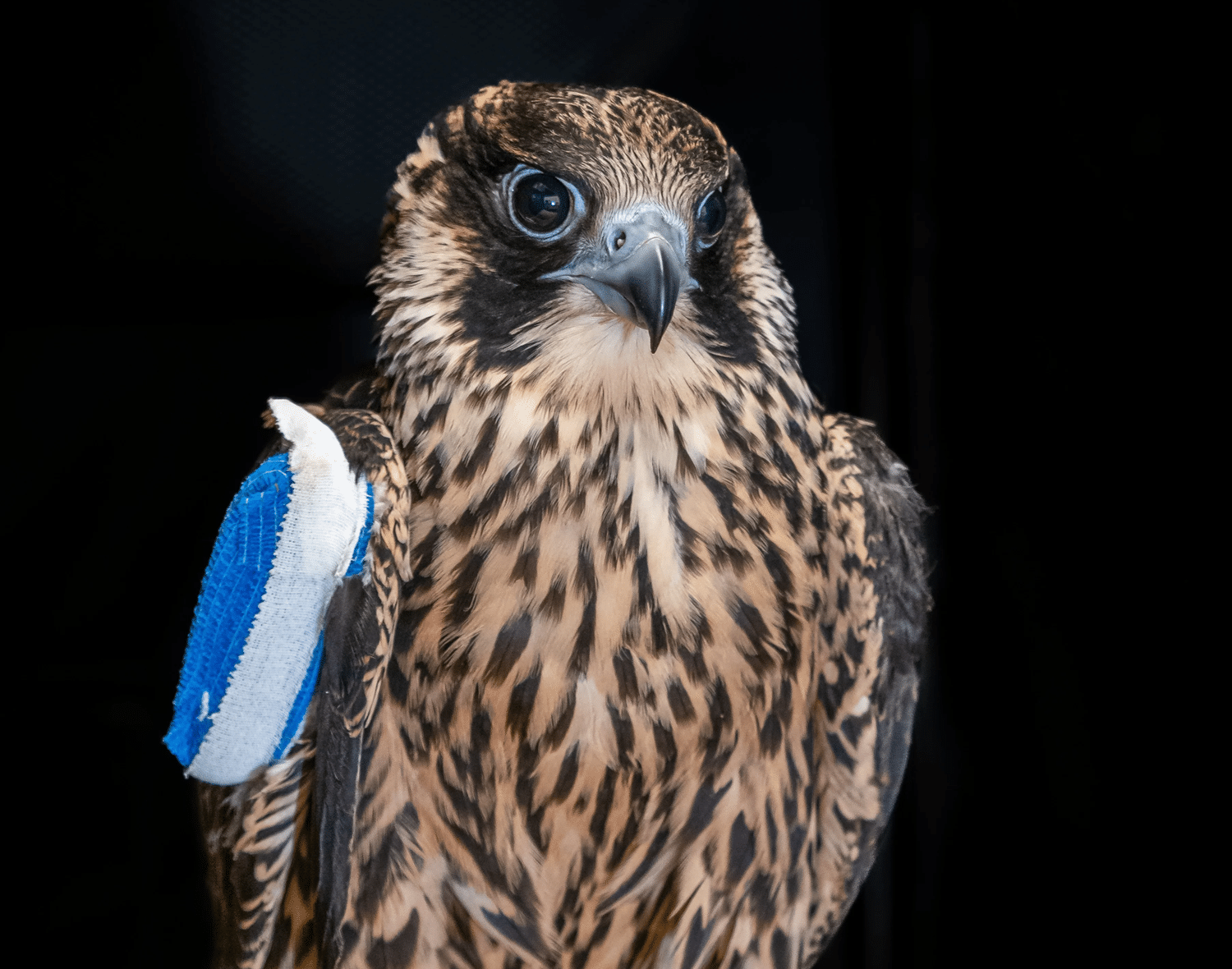
Nox, a peregrine falcon with a broken wing, was treated at UC Davis using advanced veterinary techniques, highlighting progress in wildlife rehabilitation. Despite successful surgery and rehabilitation, Nox was recaptured due to emaciation shortly after release and passed away. The case underscores the challenges of post-release care and inspires further research in veterinary medicine, emphasizing the balance between medical intervention and natural survival instincts.

"Concern Grows Over Trend of Harassing Bear Cubs for Photos"
wildlife-conservation2 years ago

"Concern Grows Over Trend of Harassing Bear Cubs for Photos"

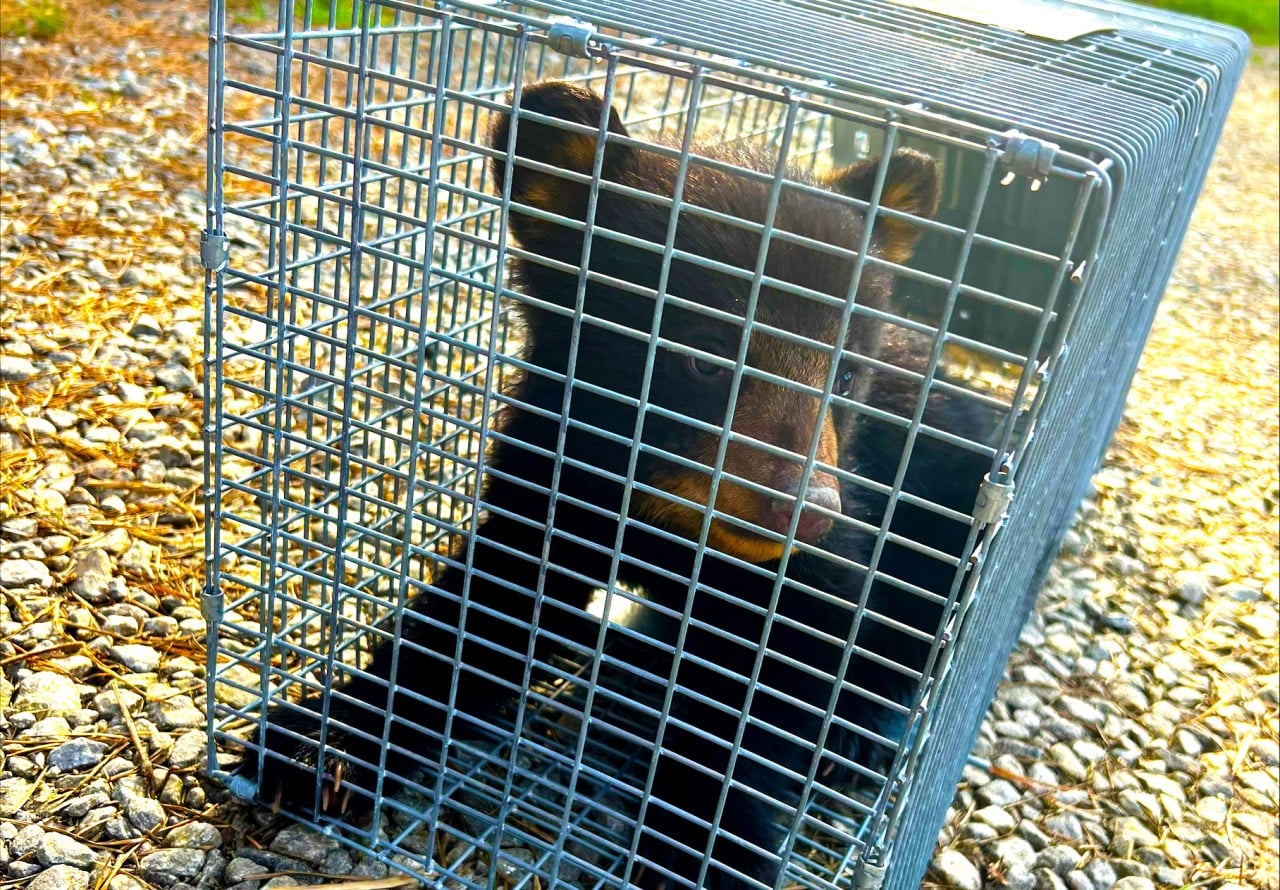
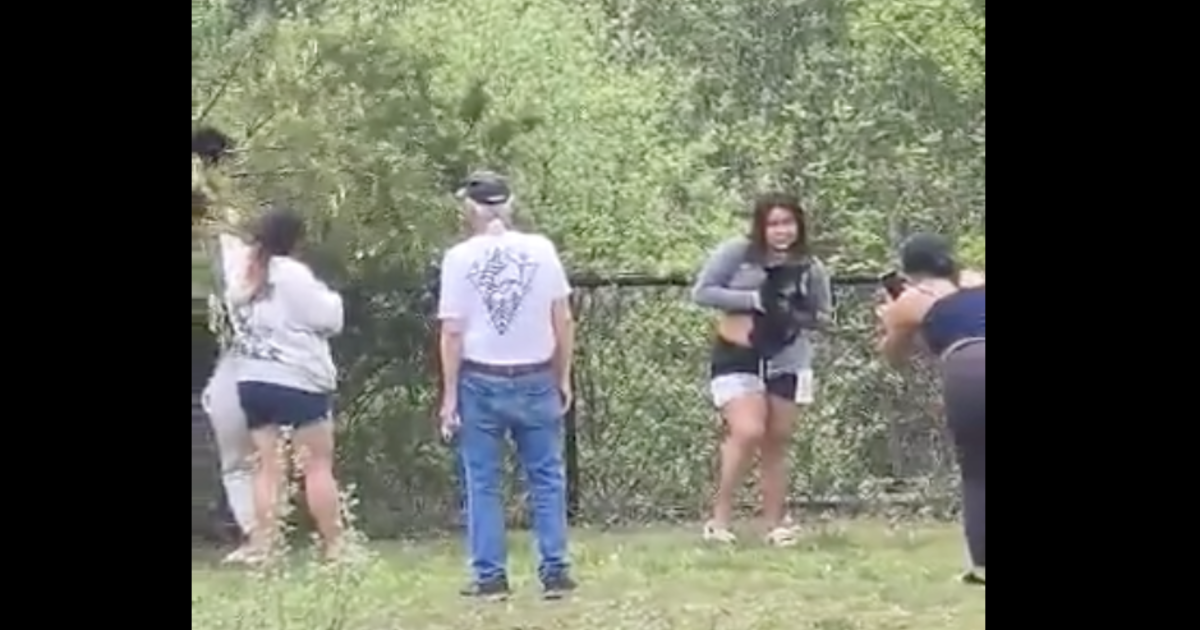
A group of people in Asheville, North Carolina, pulled two bear cubs from a tree to take photos, leaving one orphaned and potentially injured. Wildlife experts emphasize the importance of leaving wild animals alone and contacting state wildlife agencies for assistance. The orphaned cub is now at a rehabilitation center and is recovering well, but will remain in care until it is old enough to be released into the wild.

Caught on Camera: Group Pulls Bear Cubs from Tree for Selfies
wildlife-conservation2 years ago

Caught on Camera: Group Pulls Bear Cubs from Tree for Selfies

A group of people in North Carolina was caught on camera pulling two bear cubs from a tree to take pictures with them, leaving one orphaned and potentially injured. The North Carolina Wildlife Resources Commission has opened an investigation into the incident, and one of the cubs has been transported to a rehabilitation facility where it is now recovering well. Wildlife experts emphasize the importance of leaving wild animals alone and contacting state wildlife agencies for assistance rather than interfering with them.

Shelter Rescuers Uncover Identity of Mystery Animal
animal-welfare2 years ago

Shelter Rescuers Uncover Identity of Mystery Animal

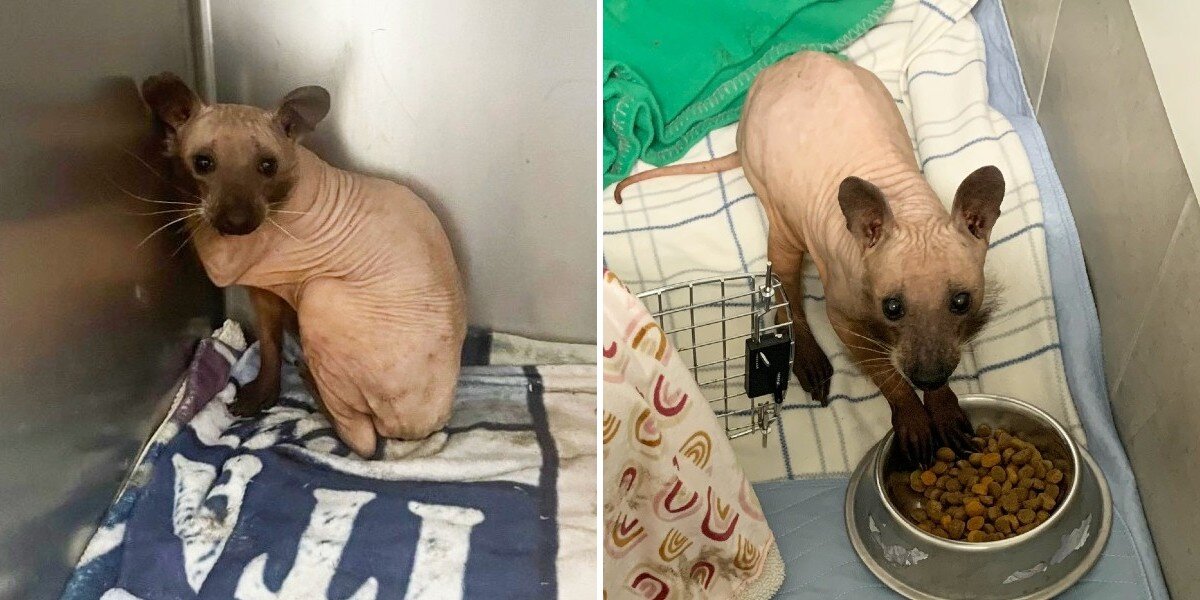
A hairless raccoon was taken to a wildlife rehabilitation center in Nova Scotia, Canada, after a homeowner found her in their backyard. Rescuers discovered that the raccoon, named Rufus, was suffering from alopecia, causing her to lose all her fur. Despite her condition, Rufus has been accepted by other rescue raccoons and is being cared for by Hope For Wildlife. Rescuers are working to determine the cause of her alopecia and whether she can be released back into the wild in the future.

Wildlife Center Staff Dress Up as Fox to Care for Rescued Newborn
wildlife-conservation2 years ago

Wildlife Center Staff Dress Up as Fox to Care for Rescued Newborn

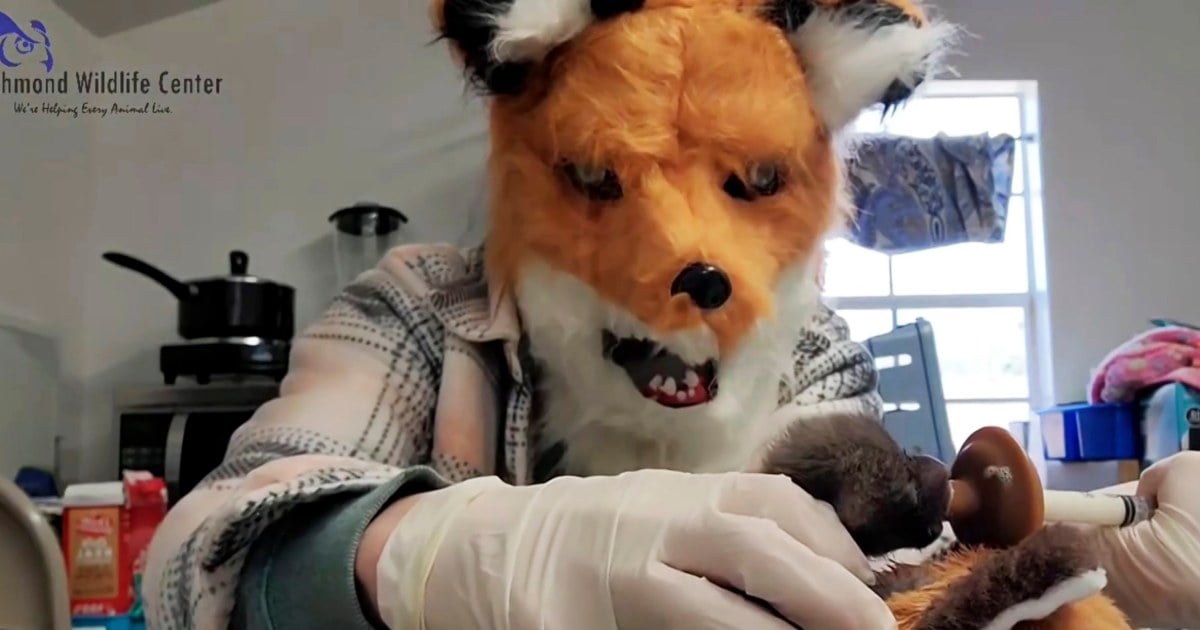
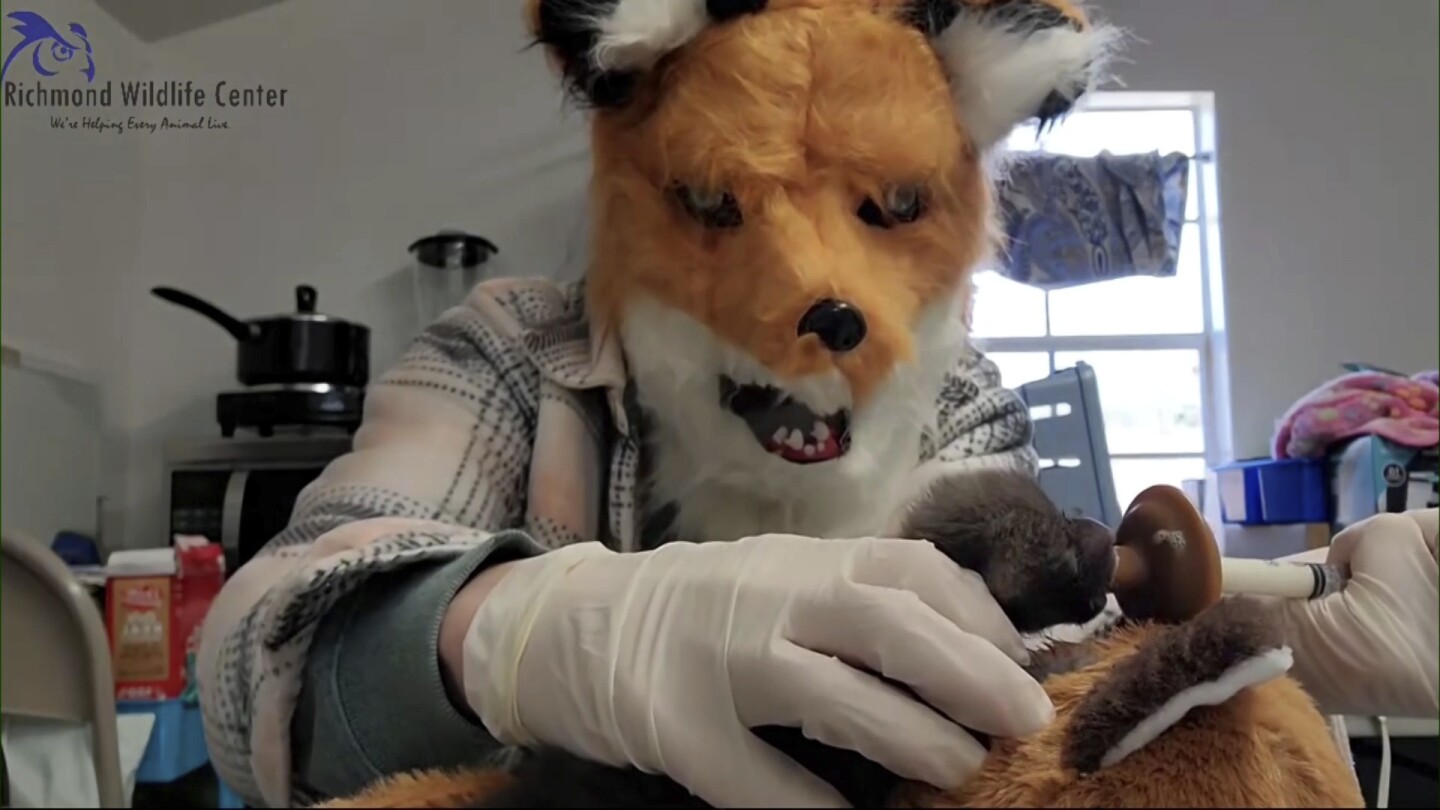
Staff at a wildlife center in Virginia are wearing a fox mask to feed and care for a rescued newborn red fox in an effort to prevent the animal from becoming too accustomed to humans. The center aims to avoid imprinting and habituation by minimizing human interaction and using visual barriers. The center also highlighted the importance of handling wildlife with proper precautions to prevent the spread of rabies, despite the minimal risk from the fox kit.

Virginia Wildlife Center Staff Dress as Foxes to Care for Orphaned Kit
wildlife-conservation2 years ago

Virginia Wildlife Center Staff Dress as Foxes to Care for Orphaned Kit

Staff at a Virginia wildlife center are caring for an orphaned red fox kit by wearing a fox mask and taking other precautions to prevent the kit from becoming imprinted upon or habituated to humans. The kit was found in an alley in Richmond and is being fed every two to four hours while being comforted by a large stuffed animal meant to mimic her mother. The center is also working to reunite the kit with other red fox kits of the same age and weight in order to eventually release them back into the wild together.