
Ancient DNA reveals recurring plague waves across Europe after the Black Death
TL;DR
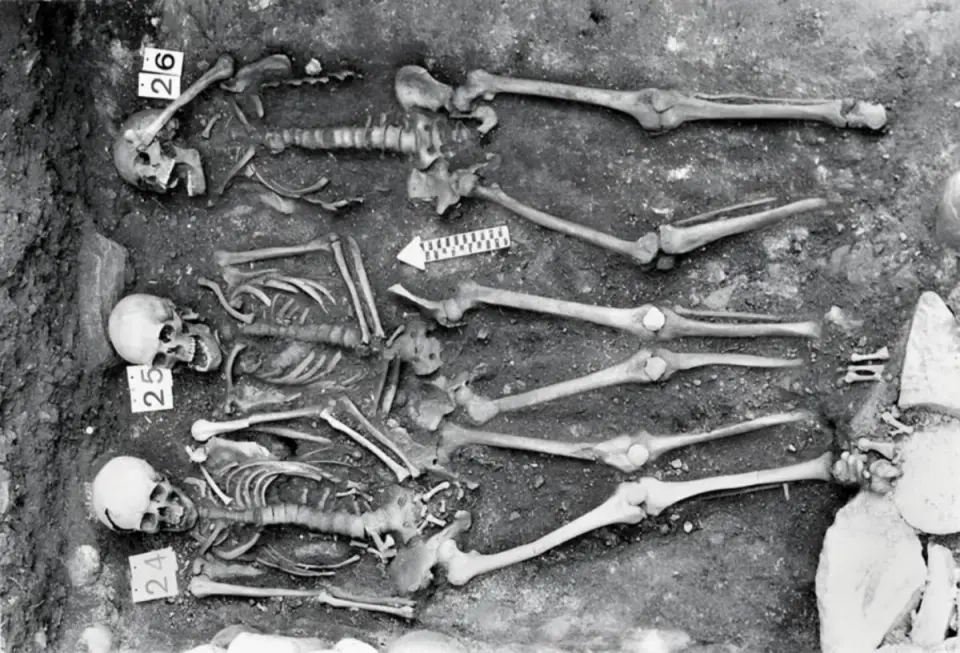
New ancient-DNA analysis of 75 plague genomes from 14th–18th century Europe shows the Black Death did not end plague: Yersinia pestis repeatedly re-entered Europe, spreading in waves and diversifying into three major branches around 1450–1500. The outbreaks align with major conflicts and trade routes, and climate-driven rodent reservoirs likely shaped spread. A novel dating method, Phylogenetically Informed Radiocarbon Modeling (PhIRM), tightens links between genomes and historical outbreaks, revealing a long but fluctuating Second Plague Pandemic that persisted for centuries before waning.
- Plague after the Black Death returned in waves across Europe for centuries, ancient DNA shows Archaeology News Online Magazine
- Ancient DNA reveals how plague kept returning for 400 years after the Black Death ScienceDaily
- A sharper picture of a pandemic: Uncovering the complex history of the plague after the Black Death Phys.org
- Plague killed hunter-gatherers in Siberia 5,500 years ago UA.NEWS
- Plague was killing entire families thousands of years before the Black Death ScienceDaily
Want the full story? Read the original reporting
Read on Archaeology News Online Magazine