Tag

Radiocarbon Dating

All articles tagged with #radiocarbon dating

70-Year Fossil Mix-Up Reveals Ancient Whales in Mammoth Labels
science6 hours ago

70-Year Fossil Mix-Up Reveals Ancient Whales in Mammoth Labels

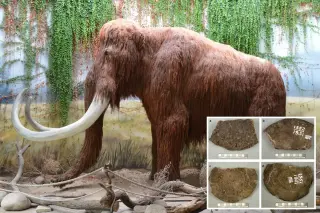
Alaskan fossils long labeled as mammoth bones were found to be two whale species (minke whale and North Pacific right whale) after radiocarbon dating showed ages of 2,000–3,000 years — far younger than mammoths. Isotopic and DNA testing confirmed cetacean origin and marine diets, and the remains, stored for seven decades in a museum, were likely mislabeled or misattributed since the 1950s. The discovery prompts questions about how coastal whale remains ended up inland and adds to a growing pattern of fossil misidentification.

Alaska Fossil Mix-Up: Whale Bones Misidentified as Mammoths for 70 Years
science1 day ago

Alaska Fossil Mix-Up: Whale Bones Misidentified as Mammoths for 70 Years

Fossils housed for decades at the University of Alaska Museum of the North were long labeled as woolly mammoths, but new radiocarbon dating and isotope analyses show they are two whales (likely a Northern Pacific right whale and a common minke whale) dating to about 2,000–3,000 years ago, far younger than mammoths. Mitochondrial DNA confirmed whale identity. How they ended up inland remains unclear, with hypotheses including inland whale incursions, transport by ancient humans, or a museum mix-up; the study concludes the specimens are not mammoths.

Greenland sharks live for centuries and still see in the deep, debunking the 'blind for life' myth
science11 days ago

Greenland sharks live for centuries and still see in the deep, debunking the 'blind for life' myth

A 2026 Nature Communications study shows Greenland sharks can live for centuries and retain a functional visual system, overturning the long-standing claim that they are nearly blind due to an eye parasite. Earlier radiocarbon dating suggested lifespans up to ~392 years, but the new work finds preserved retinal tissue and active low-light vision, prompting a rethink of how we understand ultra-long-lived deep-sea animals.

Shroud of Turin DNA: Plant Traces Suggest Post-1492 Contamination
science1 month ago

Shroud of Turin DNA: Plant Traces Suggest Post-1492 Contamination

Researchers analyzing dust and fibers from the Shroud of Turin report plant DNA—carrot, bread wheat and other crops—signalling contamination over time rather than confirming the relic’s age; they caution metagenomics can’t reliably date the cloth, even as radiocarbon dating in 1988 placed it medieval (1260–1390 AD) and 2024 WAXS results broadly align with a two-millennium history.

Bow and Arrow Arrive in North America About 1,400 Years Ago, Study Finds
science2 months ago

Bow and Arrow Arrive in North America About 1,400 Years Ago, Study Finds

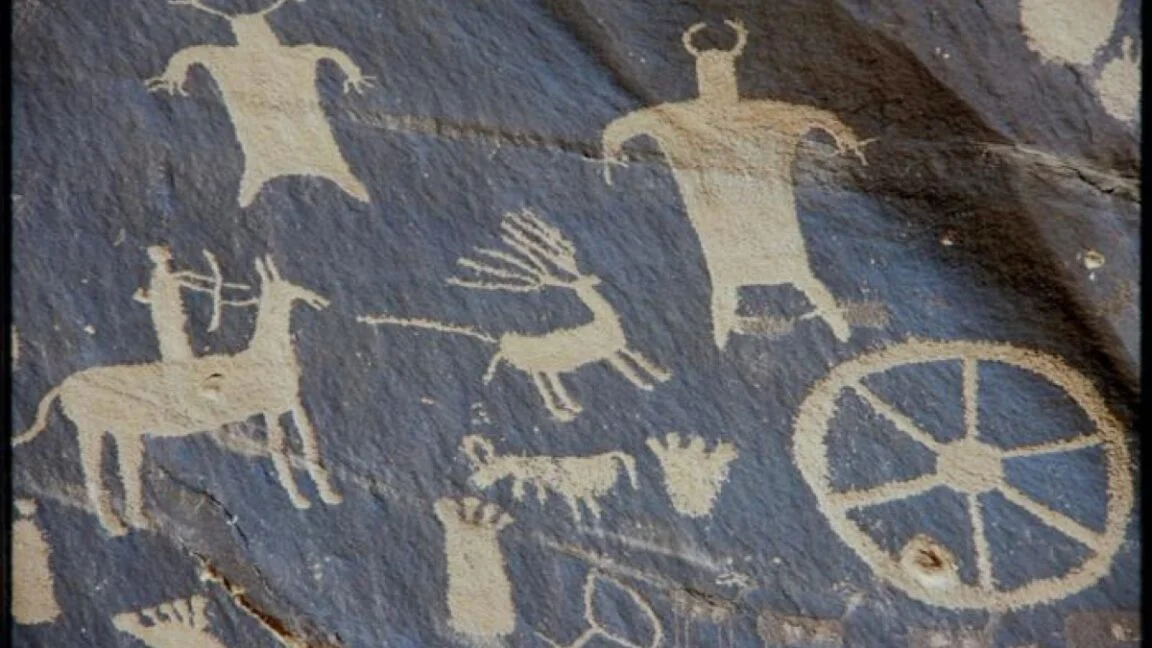
Radiocarbon dating of carefully selected North American weapons places the bow and arrow’s emergence at roughly 1,400 years ago. Adoption was rapid in the south, where the bow quickly supplanted the atlatl, while in the north the bow coexisted with the atlatl for centuries, implying a single origin with regionally varying diffusion. The study highlights a context-dependent pattern of technological evolution influenced by environment and social networks, with faster replacement in some regions and prolonged toolkit diversity in others.

science2 months ago

Bow and Arrow Transform Western North America About 1,400 Years Ago

A study analyzing 136 radiocarbon-dated organic weapons from western North America shows the bow-and-arrow spread across the region roughly 1,400 years ago, quickly replacing the atlatl in the southern parts while northern areas used both for over a thousand years, suggesting rapid diffusion through cultural networks with regional variation in adoption.

28,000-Year-Old Lapedo Child Re-dating Narrows Neanderthal Hybrid Debate
science3 months ago

28,000-Year-Old Lapedo Child Re-dating Narrows Neanderthal Hybrid Debate

A new radiocarbon reassessment using hydroxyproline dating places the Lagar Velho burial in central Portugal at about 27,800–28,600 calibrated years ago, well after Neanderthals had vanished in Iberia, which narrows the window for late hybridization and suggests any Neanderthal traits reflect inherited modern-human ancestry rather than a recent interbreeding event; the find remains morphological without ancient DNA, and future work may use proteomics or DNA recovery to clarify admixture.

Ancient Tree Rings Uncover Solar Superstorm from 664 BCE
science1 year ago

Ancient Tree Rings Uncover Solar Superstorm from 664 BCE

Researchers from the University of Arizona have identified a massive solar storm, known as a Miyake Event, that occurred around 664-663 BCE by analyzing tree rings and ice cores. These events, characterized by spikes in radioactive carbon-14 and beryllium-10 isotopes, are rare and could have catastrophic effects on modern technology if they occurred today. The study highlights the use of natural time capsules like ancient trees and ice cores to uncover historical solar activity.

35,000-Year-Old Saber-Toothed Kitten Discovered in Siberian Permafrost
science1 year ago

35,000-Year-Old Saber-Toothed Kitten Discovered in Siberian Permafrost

Scientists have examined a 35,000-year-old saber-toothed kitten found in Siberian permafrost, revealing significant differences from modern lion cubs. The mummified remains, including fur and muscle, allowed researchers to study its unique physical traits, such as a massive neck and broad paws. Radiocarbon dating confirmed the kitten belonged to the extinct species Homotherium latidens, providing rare insights into these prehistoric predators.