
Chemical Analysis Reveals First Molecular Evidence of Aloe in Ancient Egyptian Embalming
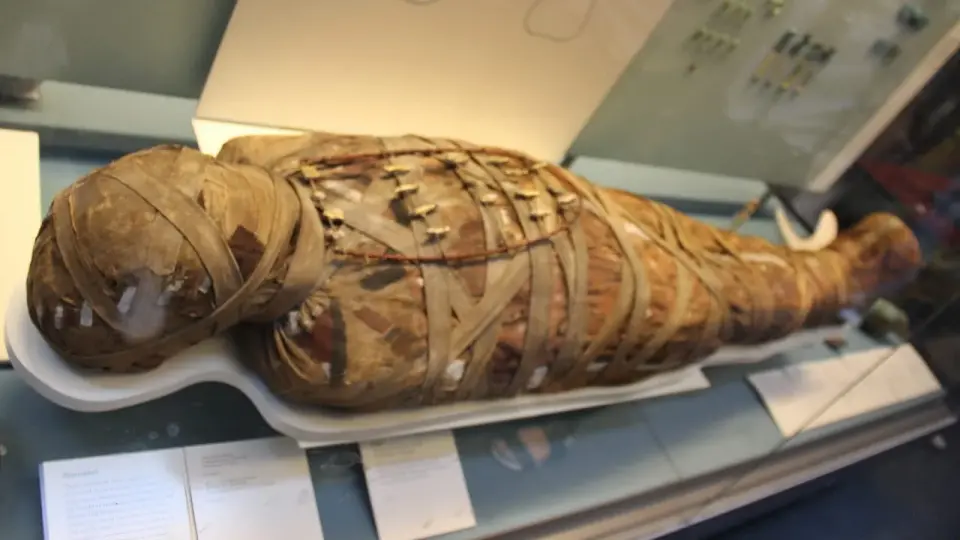
Researchers at Marburg University have identified the first molecular evidence that aloe was used in ancient Egyptian embalming. By analyzing 24 historical objects, including a 2,700-year-old mummified skull and an 18th-century pharmacy preparation, the team found compounds specific to the Aloe genus. This discovery challenges previous assumptions that medieval references to aloe in mummy medicine were based on biblical misinterpretations or confusion with agarwood. The study also revealed that a historical mummy-derived remedy offered modest protection against influenza in cell cultures, though the active ingredients remain unidentified.
Key points
- Marburg University researchers published findings in PNAS confirming aloe compounds in two of 24 analyzed objects, including a 2,700-year-old skull and an 18th-century Mumia vera preparation.
- The study distinguishes true Aloe genus compounds from agarwood, which was previously often conflated with aloe in historical texts.
- An extract from a historical mummy medicine showed modest protection against influenza virus damage in cultured cells, though the specific active compound was not isolated.
- The findings suggest that medieval European beliefs about aloe in mummy medicine may have roots in actual ancient Egyptian practices rather than biblical references.
- Chemical comparison using metabolomics helped link a mummified head with a separate powder sample, potentially reconstructing lost museum provenance.
Background
This discovery builds on earlier archaeological efforts to decode Egyptian embalming recipes. In 2023, another team analyzed residues from 31 vessels in an Egyptian embalming workshop, identifying complex mixtures of oils and resins. Additionally, recent satellite radar studies have uncovered buried Egyptian complexes, highlighting the ongoing use of advanced technology to understand ancient Egyptian practices. The current study adds a new layer by linking chemical evidence to historical texts and medieval medicine.
How outlets are covering it
Archaeology News Online and ZME Science emphasize the novelty of finding aloe in embalming materials, noting that previous studies had identified conifer resins and bitumen but not aloe. Popular Science highlights the historical confusion surrounding the term 'Mumia,' suggesting it originated from a mistranslation of Arabic pitch. NPR focuses on the practical implications, noting that mummy powder was cheaper than bitumen and used for various ailments. All sources agree that the presence of aloe in only two of 24 samples suggests it was not a standard ingredient but may have been used in specific periods or regions. ZME Science also notes the modest antiviral effect of a mummy extract in cell cultures, while Archaeology News Online clarifies that this does not prove efficacy in humans.
Why it matters
This study provides the first molecular evidence linking aloe to ancient Egyptian embalming, reshaping our understanding of historical medical and funerary practices. It also offers a new method for identifying plant species in ancient texts and reconstructing the provenance of museum artifacts through chemical analysis. The findings challenge long-held assumptions about the origins of medieval mummy medicine and highlight the potential for chemical analysis to uncover hidden historical connections.
What to watch
The research team plans to analyze additional specimens to determine if aloe was used more broadly in Egyptian embalming. They also aim to identify more plant compounds in embalming materials and test whether aloe appears in other historical objects. The long-term goal is to integrate written sources, ancient objects, and natural product analysis to understand how these materials were produced, used, and transmitted across cultures.
- 2,700-year-old mummy shows first molecular evidence that aloe was part of Egyptian embalming Archaeology News Online Magazine
- Aloe found in ancient Egyptian mummy skull for the first time Popular Science
- Archaeologists are using chemistry to learn more about mummies NPR
- Europeans Once Ate Egyptian Mummies as Medicine. Now, Scientists Tested the Chemistry ZME Science
- 2,700-year-old mummy head yields first molecular evidence linking aloe to Egyptian embalming Phys.org
Want the full story? Read the original reporting
Read on Archaeology News Online Magazine