Tag

Mummification

All articles tagged with #mummification

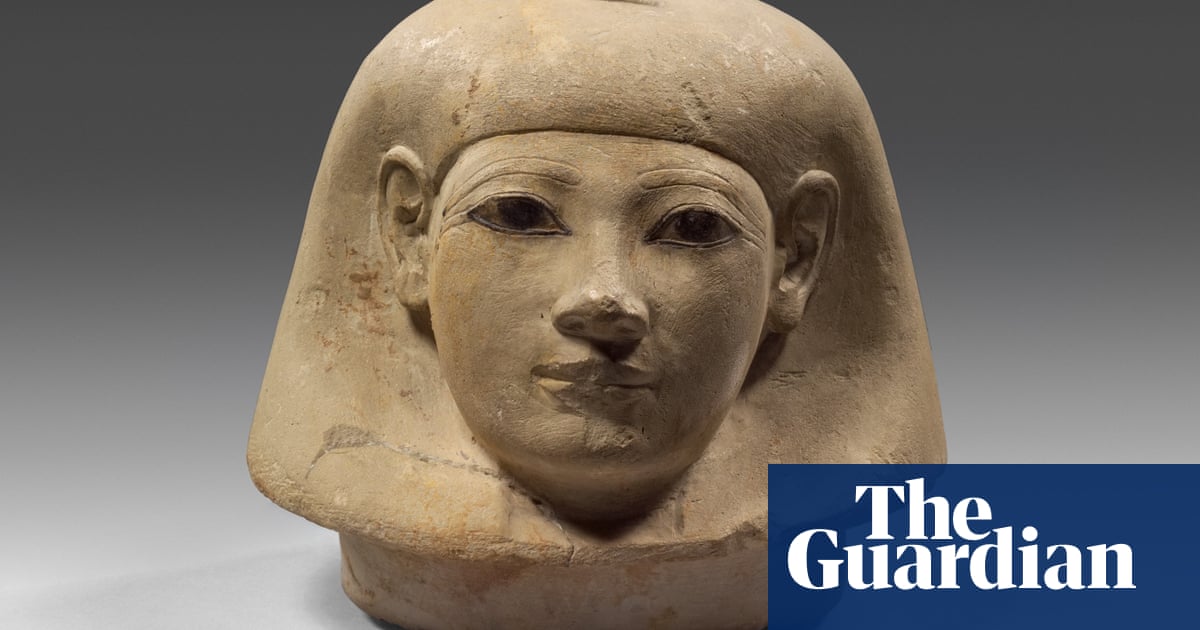
Chemical Analysis Reveals First Molecular Evidence of Aloe in Ancient Egyptian Embalming
archaeology23 days ago

Chemical Analysis Reveals First Molecular Evidence of Aloe in Ancient Egyptian Embalming

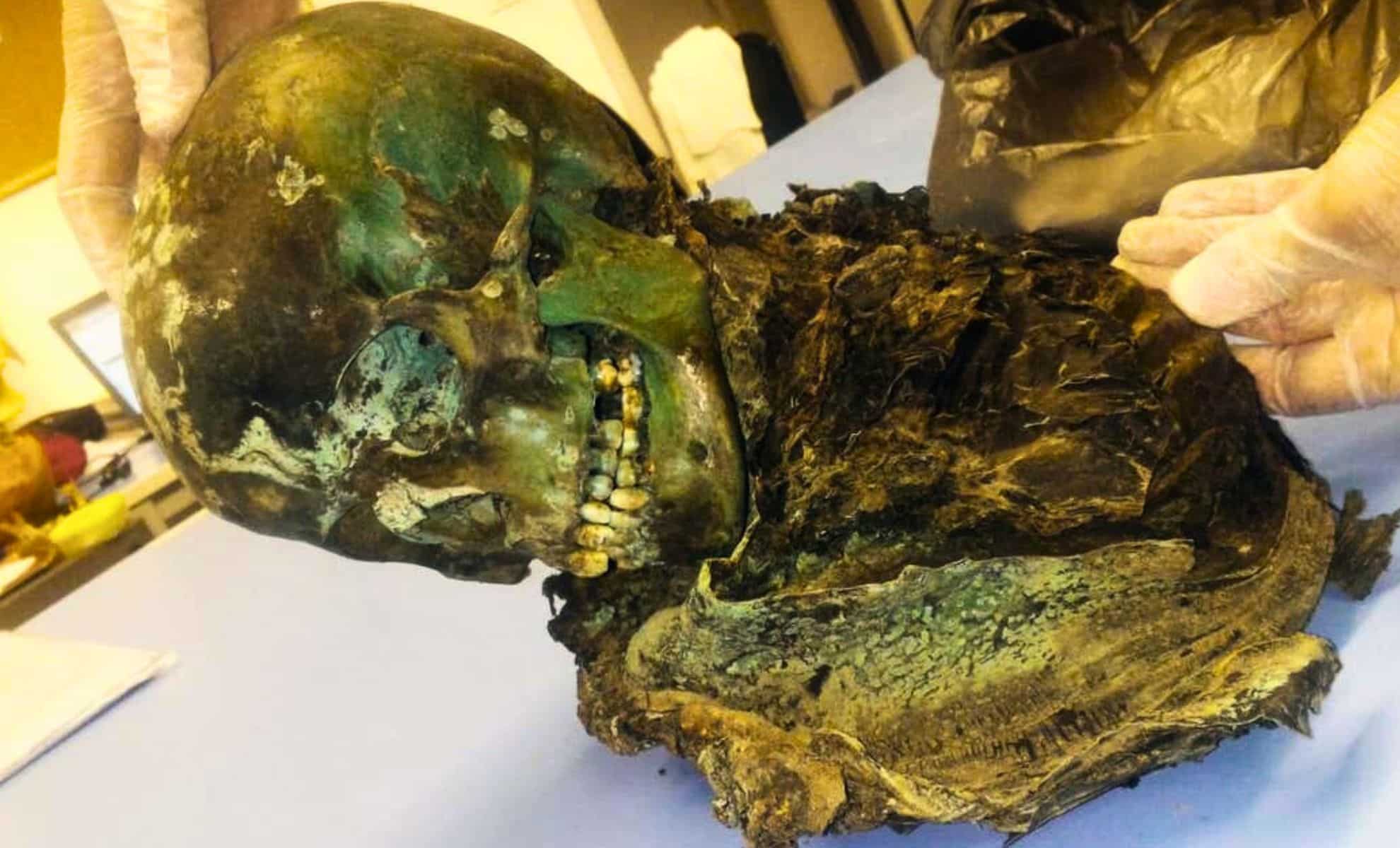
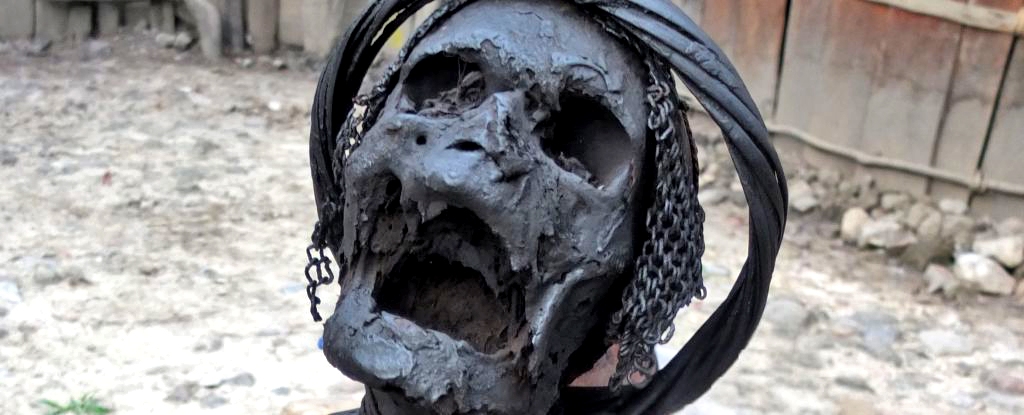
Researchers at Marburg University have identified the first molecular evidence that aloe was used in ancient Egyptian embalming. By analyzing 24 historical objects, including a 2,700-year-old mummified skull and an 18th-century pharmacy preparation, the team found compounds specific to the Aloe genus. This discovery challenges previous assumptions that medieval references to aloe in mummy medicine were based on biblical misinterpretations or confusion with agarwood. The study also revealed that a historical mummy-derived remedy offered modest protection against influenza in cell cultures, though the active ingredients remain unidentified.

Green Relic Hand: Copper Coin Preserves 150-Year-Old Hungarian Infant
archaeology7 months ago

Green Relic Hand: Copper Coin Preserves 150-Year-Old Hungarian Infant

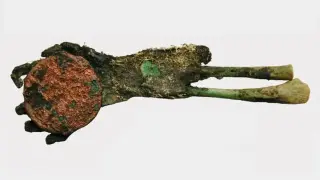
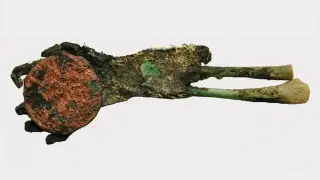
Archaeologists in southern Hungary uncovered a 150-year-old infant hand preserved as a green mummy after a grieving mother reportedly placed a 19th‑century Kreuzer copper coin in the child’s fist. High copper exposure caused an antimicrobial reaction that preserved soft tissue, with copper levels about 500 times typical. The ritual, likely intended to pay Saint John the Baptist for heavenly baptism for an unbaptized infant, also involved sealing the child in a pot and burying it secretly; researchers found two other similar, inexplicably preserved infant burials nearby. This represents a rare case of copper-driven natural mummification rather than a deliberate process.

Ancient Smoked Mummies Reveal 14,000-Year-Old Burial Practices
archaeology1 year ago

Ancient Smoked Mummies Reveal 14,000-Year-Old Burial Practices

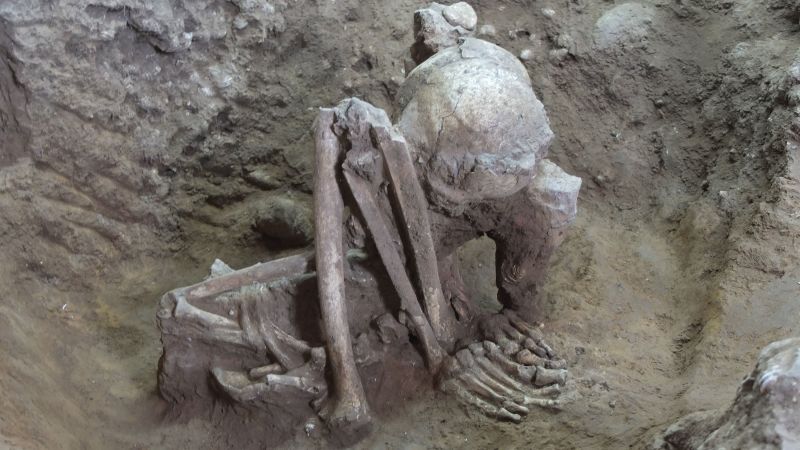
New archaeological findings reveal that deliberate mummification practices, particularly smoke-mummification, date back up to 12,000 years in Southeast Asia and southern China, predating and expanding our understanding of ancient mortuary rituals beyond Egypt and Chile, and indicating a long-standing cultural tradition among hunter-gatherer societies.

The mistreatment of sacred baboons in ancient Egypt revealed
archaeology3 years ago

The mistreatment of sacred baboons in ancient Egypt revealed

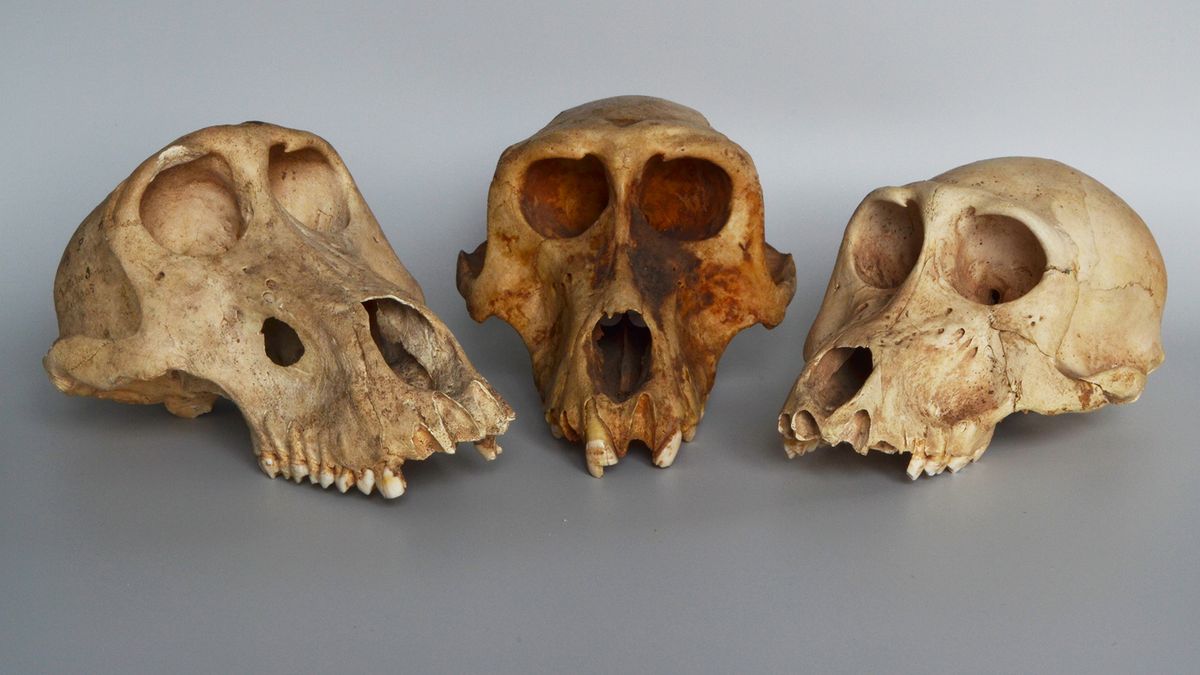
A new study analyzing the skeletons of mummified baboons from ancient Egypt suggests that these sacred animals had poor living conditions. The analysis revealed that many baboons suffered from poor diets and bone disorders, likely caused by a lack of sunlight. Only four out of the 36 examined baboons appeared to be in good health. The study also found that baboons were imported from Sudan and the Horn of Africa to ensure a steady supply. Despite the tough conditions, researchers believe that the people who kept the baboons had good intentions. Further research using teeth and DNA analysis could provide more insights into the treatment of these sacred animals.

"Stoneman Willie, Pennsylvania's Iconic Mummy, Finally Laid to Rest After 128 Years"
human-interest3 years ago

"Stoneman Willie, Pennsylvania's Iconic Mummy, Finally Laid to Rest After 128 Years"

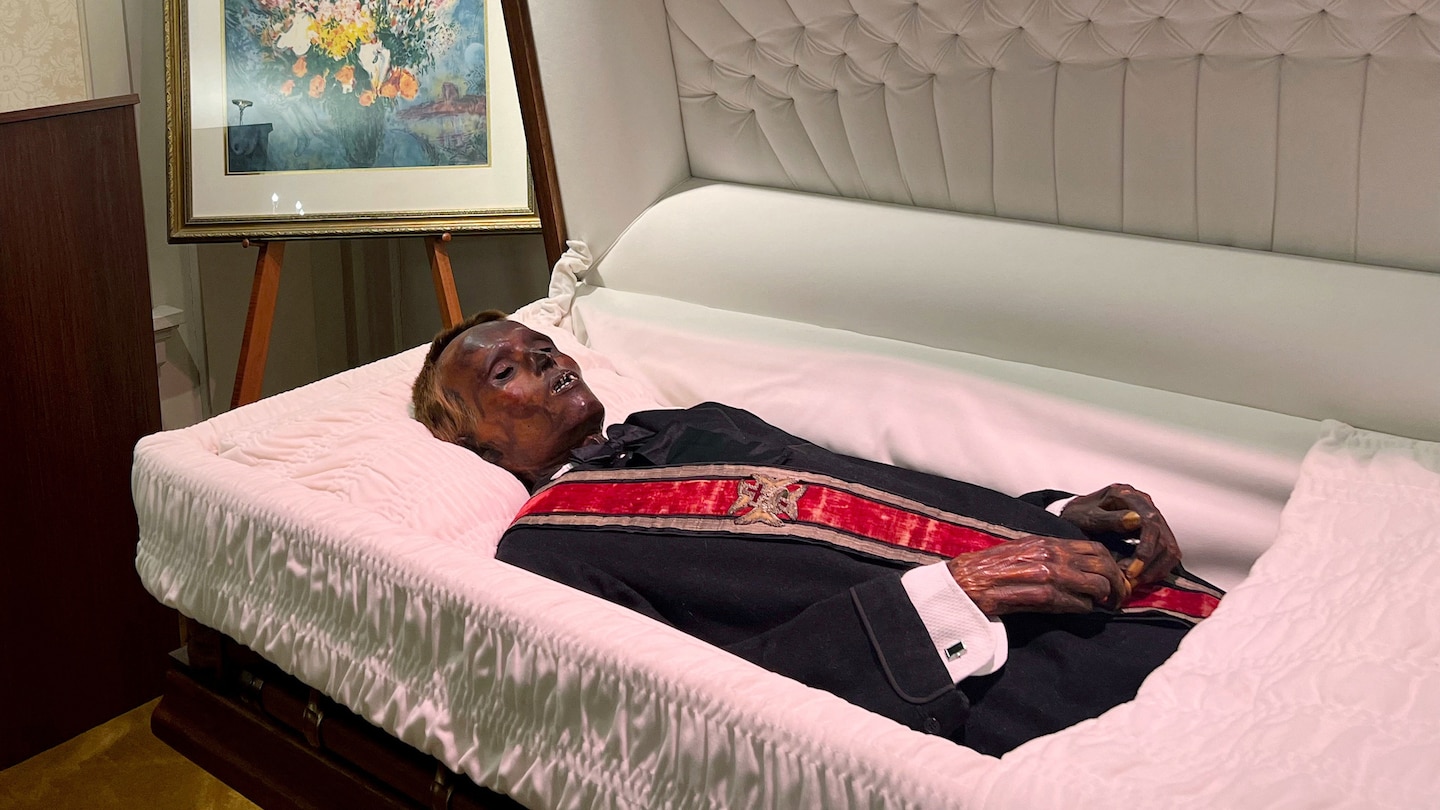
The body of an alleged thief, known as "Stoneman Willie," who was accidentally mummified by an experimental undertaker 128 years ago, will finally be buried. The body has been kept in a funeral home in Reading, Pennsylvania since 1895. The funeral home owners have arranged for a proper burial, with the body dressed in a tuxedo. The mummification technique used by the undertaker was effective, preserving the body remarkably well. The true identity of Stoneman Willie has remained a mystery, as he refused to reveal his real name before his death. After 128 years, the body will finally be laid to rest.

"Scientists Recreate Ancient Egyptian Mummification Balm's Timeless Scent"
archaeology3 years ago

"Scientists Recreate Ancient Egyptian Mummification Balm's Timeless Scent"

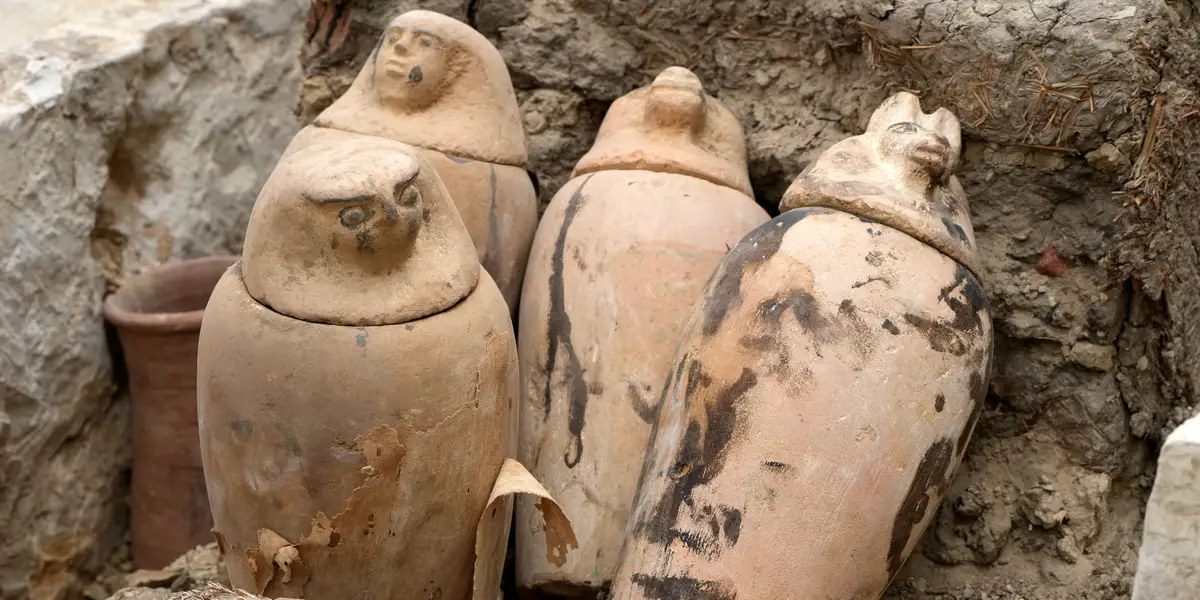
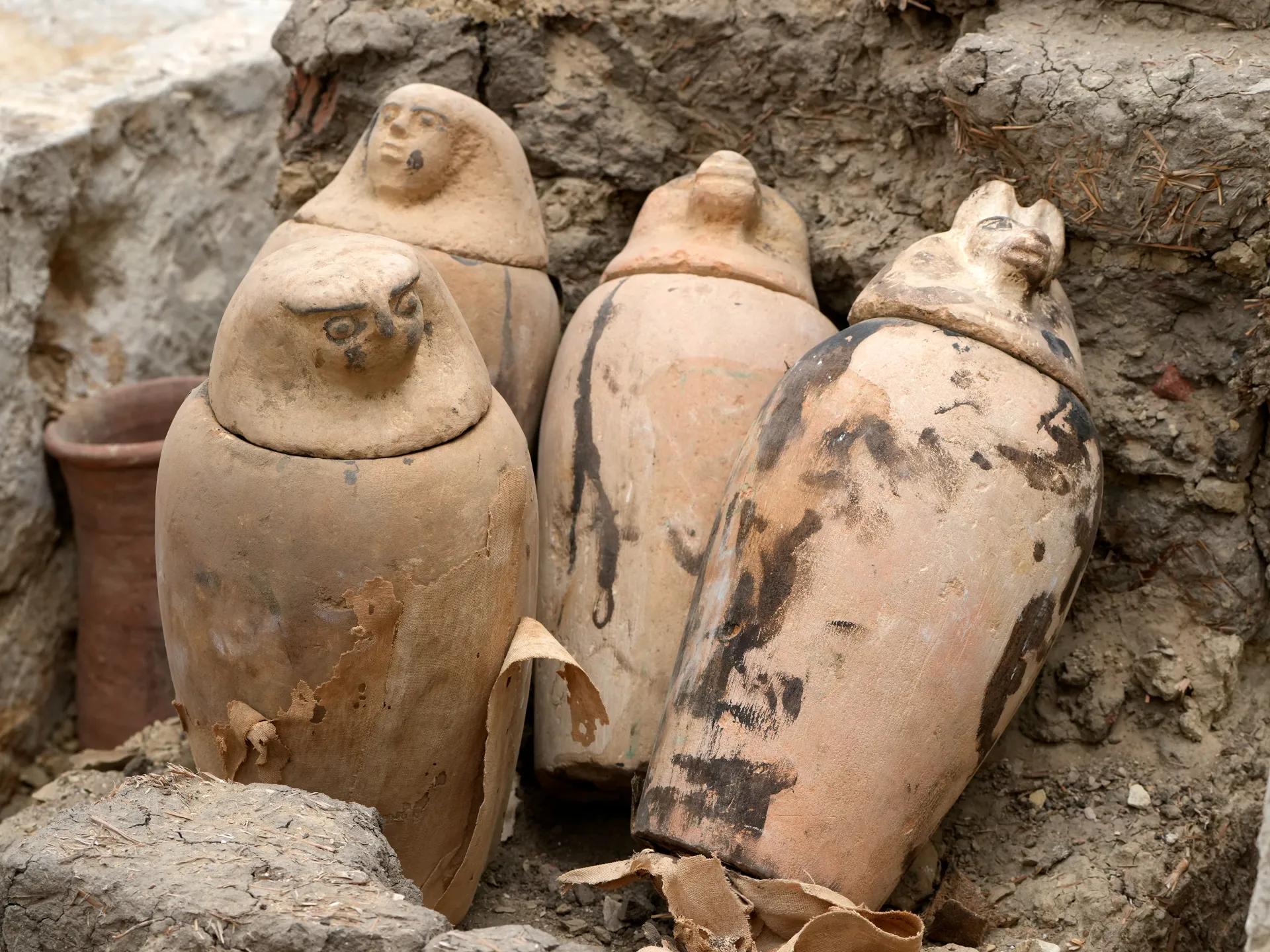
Scientists have identified and recreated the scent of balms used in the mummification of an ancient Egyptian noblewoman named Senetnay. The balms, found in canopic jars in Senetnay's tomb, contained a complex mix of ingredients including fats, oils, beeswax, resins, and benzoic acid. Many of these ingredients would have been imported to Egypt, highlighting the extensive trade networks of the time. The elaborate treatment Senetnay received suggests her high social standing, and the recreated scent will be used in an exhibition at the Moesgaard Museum in Denmark.

Egyptian Museum to Display Mummified Shark That Ate Russian Tourist
odd-news3 years ago

Egyptian Museum to Display Mummified Shark That Ate Russian Tourist

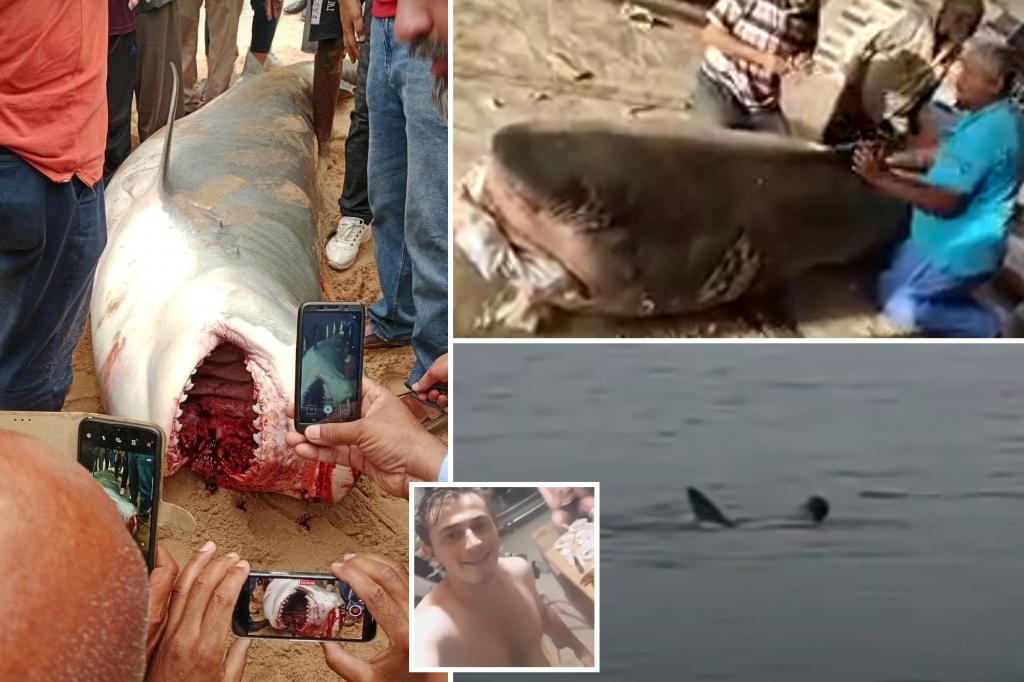
Museum specialists in Egypt are mummifying the shark that attacked and killed a Russian man swimming at a popular beach resort in Hurghada. The mummified shark will be displayed in the Institute of Marine Sciences and the Red Sea Reserves museum. The shark was caught and dissected by specialists to analyze and prevent future attacks. The attack left beachgoers stunned, and the shark was beaten to death by tourists. Last year, two women were killed by sharks in the same tourist location.

Egypt uncovers ancient mummification workshops and tombs in Saqqara necropolis.
archaeology3 years ago

Egypt uncovers ancient mummification workshops and tombs in Saqqara necropolis.

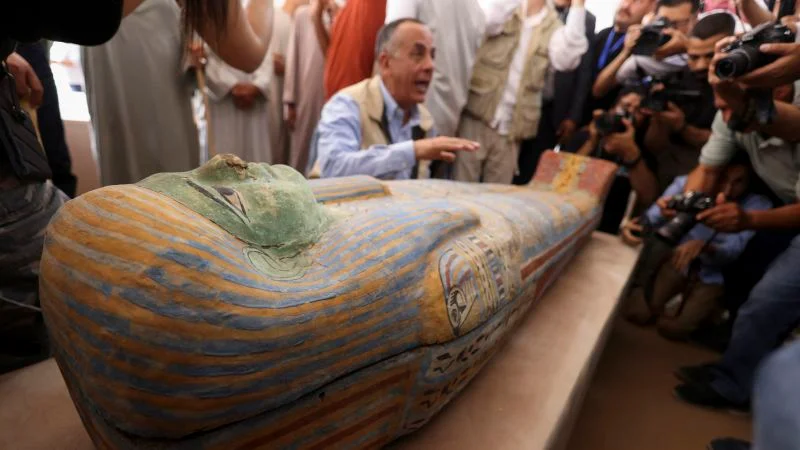
Two of the largest workshops ever used to mummify human and animal corpses in ancient times, along with two tombs, were discovered in Saqqara, Egypt. The embalming workshops date back to the 30th Dynasty and the Ptolemaic period, and contain stone beds used to mummify the deceased. Archaeologists also found tools used by ancient Egyptians to dissect bodies, canopic jars, clay pots, and animal burials. The discovery is part of the Egyptian government's plan to develop Saqqara as a tourism hub and increase tourism to Egypt by 25% to 30% in 2023.

Egypt uncovers ancient tombs and mummification workshops in Saqqara necropolis.
archaeology3 years ago

Egypt uncovers ancient tombs and mummification workshops in Saqqara necropolis.

Archaeologists in Egypt have discovered ancient mummification workshops and tombs in the Saqqara necropolis, including stony beds and clay pots used for mummification. The tombs of two priests from the 24th and 14th centuries BC were also found, adorned with depictions of daily activities and scenes of the deceased in different positions. The discovery was made near the sanctuary of the goddess Bastet and was unveiled by Egypt's Ministry of Tourism and Antiquities in a press conference.

Egypt uncovers ancient mummification workshops and tombs in Saqqara necropolis.
archaeology3 years ago

Egypt uncovers ancient mummification workshops and tombs in Saqqara necropolis.

Archaeologists in Egypt have discovered two human and animal embalming workshops, as well as two tombs, in the Saqqara Necropolis south of Cairo. The embalming workshops date back to the 30th dynasty, which reigned about 2,400 years ago. The discovery also includes the tombs of two priests dating back to the 24th and 14th centuries BC, respectively. The finds have been a key component of Egypt’s attempts to revive its vital tourism industry amid a severe economic crisis, with the government aiming to draw in 30 million tourists a year by 2028.

archaeology3 years ago

Egypt Reveals Newly Found Tombs and Mummification Workshops.

Researchers in Egypt have discovered new 4,000-year-old tombs and workshops used for mummification in the Saqqara Necropolis. The find includes pots and other items used in the embalming process, shedding new light on ancient Egyptian rituals. The workshops were used to embalm both humans and animals, and some of the newly discovered tombs still had intact statues of the inhabitants.