Tag

Ancient Egypt

All articles tagged with #ancient egypt

Nolan’s The Odyssey Connects Sea Peoples to the Bronze Age Collapse
entertainment1 month ago

Nolan’s The Odyssey Connects Sea Peoples to the Bronze Age Collapse

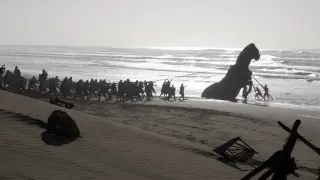
Nolan’s The Odyssey introduces a 'people from the sea' thread drawn from Late Bronze Age history—the Sea Peoples (including groups like the Denyen, Sherden and Peleset) who raided Egypt—using their presence to frame war’s devastation and the fragility of memory. Historians view these groups as a complex mix of migrants, mercenaries, and traders rather than simple invaders, which the film leverages to link epic myth to real historical upheaval. The piece also notes a possible tie between Odysseus’s Cretan Lie and Sea Peoples activity, illustrating how history and storytelling intertwine.

Royal Dahshur Princesses Revealed as Skilled Archers 4,000 Years Ago
archaeology1 month ago

Royal Dahshur Princesses Revealed as Skilled Archers 4,000 Years Ago

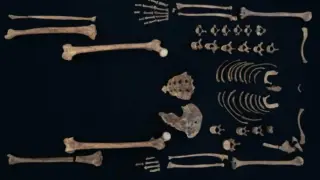
A reanalysis of six royal skeletons from Dahshur (late Middle Kingdom, 1850–1700 BCE) finds strong muscle attachments and healed injuries in several princesses, consistent with repeated archery and weapon use. The evidence suggests archery was part of elite royal training rather than merely ceremonial, with signs of good health, medical care, and interrelated royal kinship shaping their lives.

Dahshur Princesses Were Weapon-Wielding Athletes, Study Finds
science1 month ago

Dahshur Princesses Were Weapon-Wielding Athletes, Study Finds

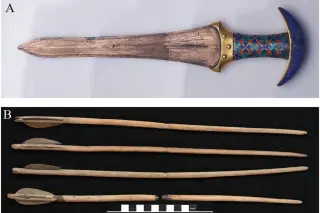
New analysis of 4,000-year-old Dahshur mummies shows Princess Ita, Khenmet, Itaweret and peers were active weapon-users rather than decorative figures. Skeletal evidence reveals robust upper-limb muscles and injuries consistent with archery, hunting and weapon use (daggers, bows, maces), supporting their role as trained athletes with ritual importance in the afterlife. The study, published in Frontiers in Environmental Archaeology (2026), revisits century-old remains to restore a voice to these royal women.

Iliad Papyrus Uncovered Near Ancient Egyptian Mummy Tomb
world3 months ago

Iliad Papyrus Uncovered Near Ancient Egyptian Mummy Tomb

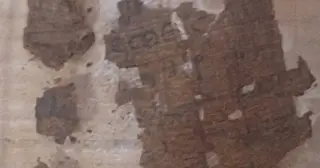
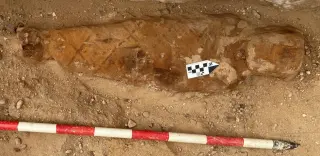
Archaeologists from the University of Barcelona’s Oxyrhynchus Mission uncovered a 2,000-year-old papyrus containing a passage from Homer’s Iliad outside a mummy’s wrappings in Oxyrhynchus, Egypt. The text, likely from Book 2’s Catalog of Ships, may have been used as a magical amulet or guide for the afterlife, with six years of work stabilizing and translating the fragment revealing Greek literary texts in its original Greco-Egyptian context.

Luxor Stele Recasts Tiberius as Pharaoh in 2,000-Year-Old Discovery
archaeology4 months ago

Luxor Stele Recasts Tiberius as Pharaoh in 2,000-Year-Old Discovery

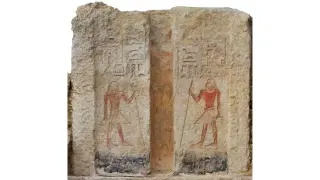
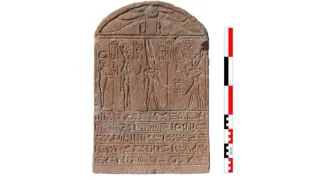
Archaeologists uncovered a 2,000-year-old sandstone stele at Karnak temple in Luxor showing Roman Emperor Tiberius as an Egyptian pharaoh, dating to AD 14–37. Depicted before the gods Amun, Mut and Khonsu, the inscription illustrates how Egypt was integrated into Roman rule and how emperors could be presented in Egyptian terms to preserve local religious order. The stele likely functioned as an architectural marker for temple renovations and will be moved to a museum for display.

Scent Reveals How Egyptian Embalming Evolved Across Millennia
archaeology6 months ago

Scent Reveals How Egyptian Embalming Evolved Across Millennia

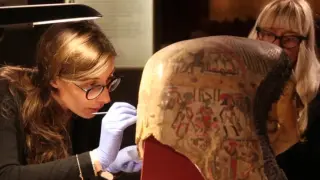
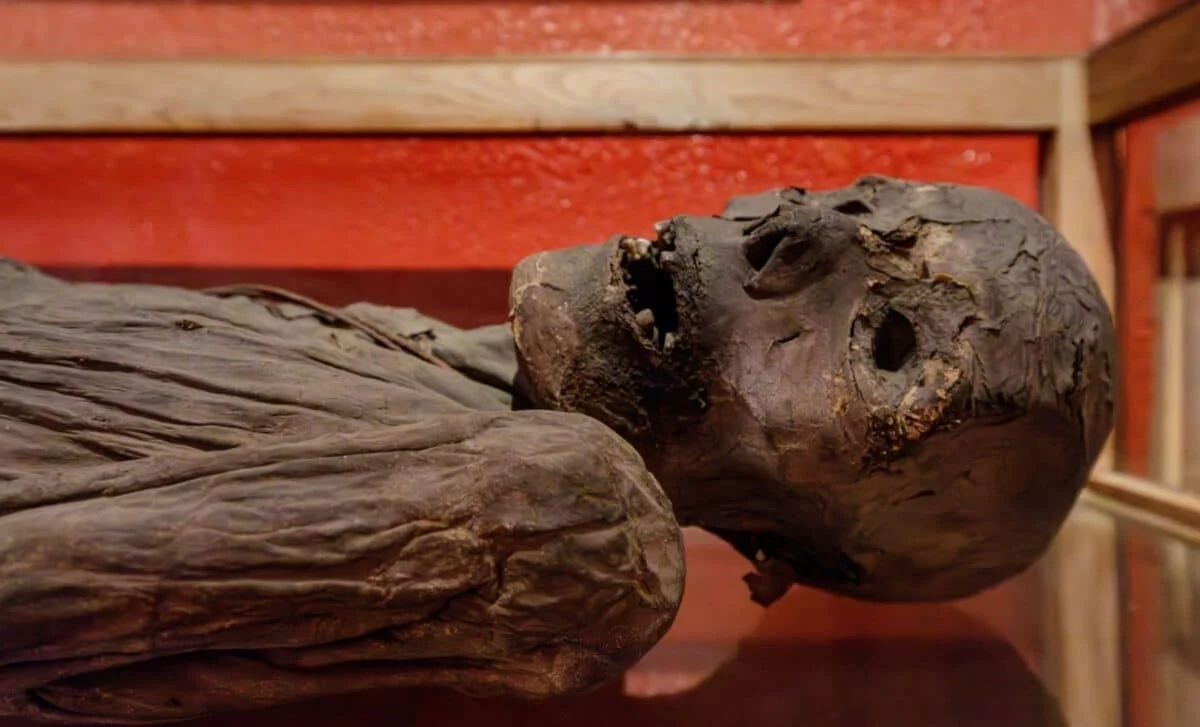
Researchers noninvasively analyze volatile organic compounds in the air around 19 mummies (35 samples) to identify embalming ingredients and how recipes changed from fats/oils in early periods to beeswax, resins, and bitumen by the New Kingdom, using headspace SPME with GC-MS; the study links scent, trade, and ritual beliefs while offering a rapid screening method that preserves the artefacts.

5,000-Year-Old Sinai Panel Shows Egypt’s Early Copper-Driven Conquest
archaeology6 months ago

5,000-Year-Old Sinai Panel Shows Egypt’s Early Copper-Driven Conquest

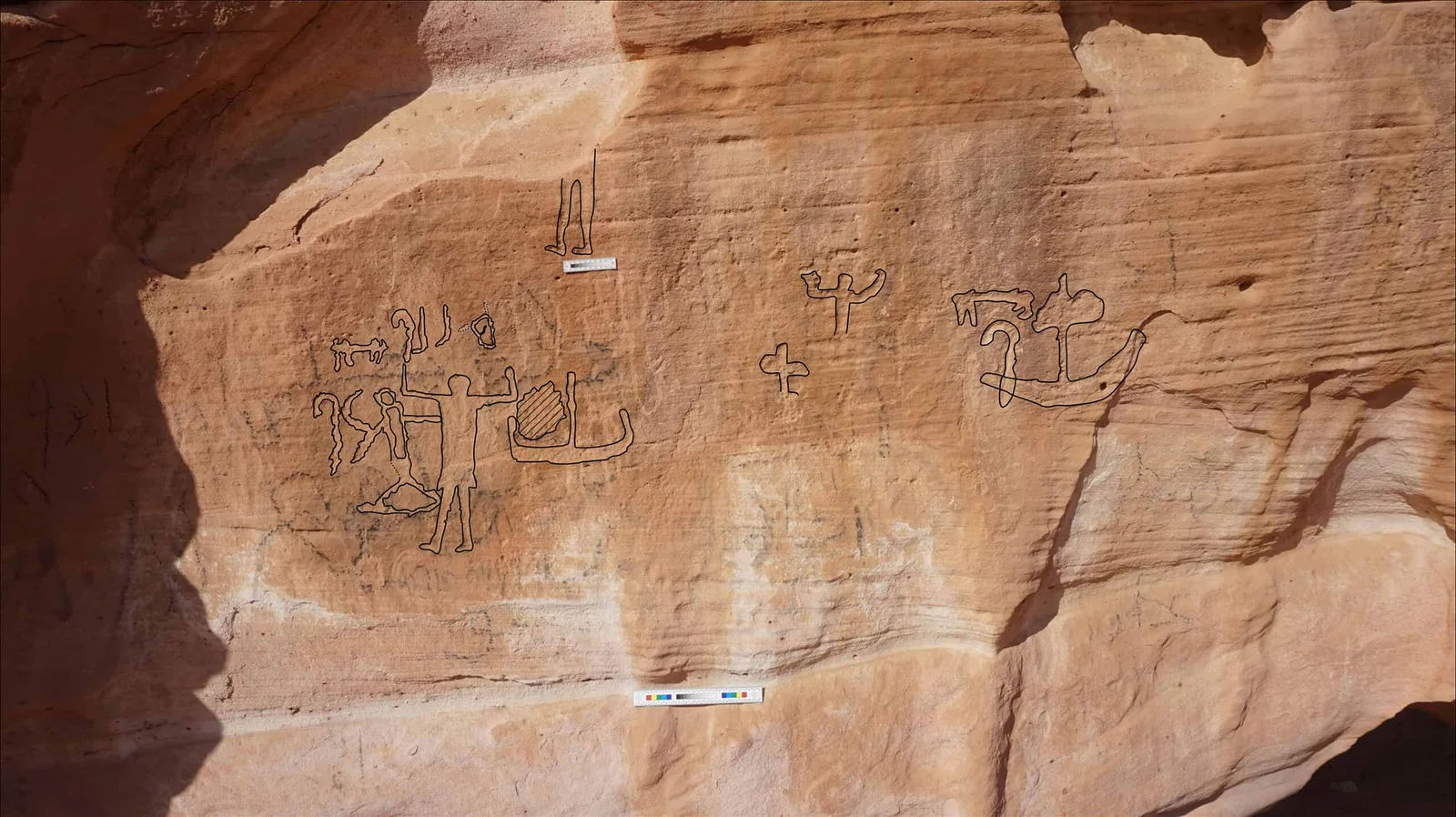
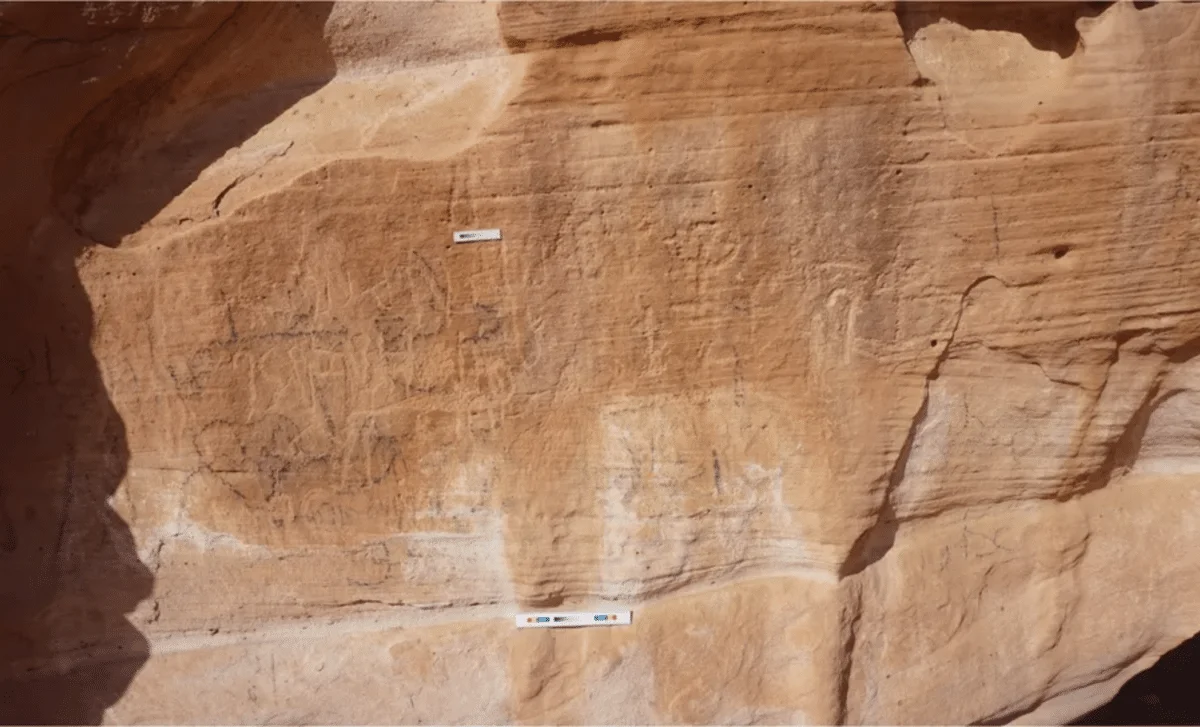
Archaeologists have identified a 5,000-year-old rock panel at Wadi Khamila in Sinai depicting an Egyptian victor subduing a bound local, with iconography and inscriptions linking the scene to the god Min and the copper-rich frontier. The discovery suggests an early, religion-justified Egyptian expansion into Sinai to secure mineral resources, constituting paleocolonialism and revealing a broader imperial network centered on copper mining.

Ancient Sinai Rock Panel Reveals Egypt’s Early Empire Tied to Resource Control
science6 months ago

Ancient Sinai Rock Panel Reveals Egypt’s Early Empire Tied to Resource Control

A 5,000-year-old rock panel in the Sinai Desert shows early Egypt projecting power beyond the Nile through violence, royal symbolism, and control of copper and turquoise resources, signaling an early form of imperial messaging carved into the landscape; an erased ruler’s name hints at political change as Egypt centralized resources and authority.

Scientists Reveal Secrets of 3,000-Year-Old Crocodile Mummy
science7 months ago

Scientists Reveal Secrets of 3,000-Year-Old Crocodile Mummy

Scientists used non-invasive CT and X-ray technology to examine a 3,000-year-old Egyptian crocodile mummy, revealing it was likely sacrificed and providing insights into ancient Egyptian rituals and their reverence for crocodiles, including findings of a fish and stones in its stomach that suggest it was caught and sacrificed shortly before death.

Ancient Egyptian Sun Temple and Statue Discoveries Reveal New Archaeological Insights
archaeology8 months ago

Ancient Egyptian Sun Temple and Statue Discoveries Reveal New Archaeological Insights

An Italian archaeological team has uncovered the remains of a sun temple belonging to Pharaoh Nyuserre from Egypt's Fifth Dynasty near Cairo, revealing significant architectural features and artifacts, including wooden pieces of the ancient game Sunnat. This discovery adds to the understanding of Egypt's solar cult and ancient funerary complexes, complementing recent finds like statues of Pharaoh Amenhotep III in Luxor.