
Skull Analysis Reveals Brutal Conditions for Cats Raised for Mummification in Ancient Egypt
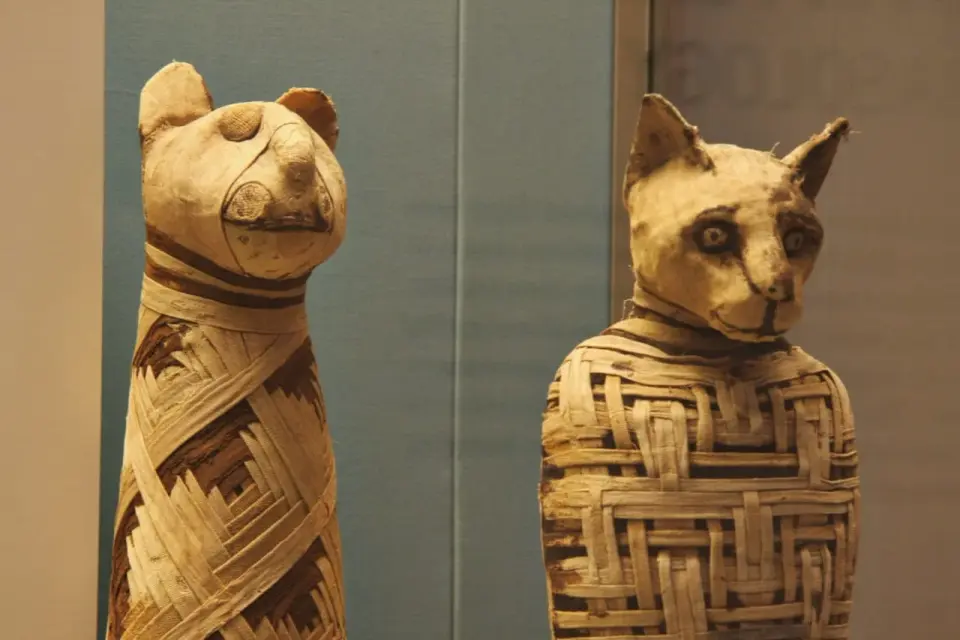
A study of 131 cat skulls from a 19th-century collection reveals that animals raised for mummification in ancient Egypt suffered from severe disease, injury, and violence. Researchers found evidence of dental issues, skin infections, and human-inflicted wounds, suggesting these cats were kept in crowded, stressful conditions rather than being revered pets.
Key points
- Researchers from Belgium and Italy analyzed 131 cat skulls from the Natural History Museum in Vienna, which were acquired in 1883 from the estate of zoologist Ludwig Jeitteles.
- The skulls originated from Beni Hassan, a burial site along the Nile, and represent the largest documented museum collection of Egyptian cat skulls with a known source.
- Sixty-two percent of the skulls showed at least one health condition, including gum disease, tooth loss, and tartar buildup, with rates comparable to modern feral cats.
- Eleven percent of the skulls displayed injuries, including puncture marks from cat fights and wounds caused by human tools, such as sharp metal implements and blunt objects.
- Radiocarbon dating places most samples between 380 and 40 BCE, with one dating to 980-820 BCE, suggesting mummification at Beni Hassan began earlier than previously thought.
- Chemical analysis indicated that jungle cats in the collection were wild-caught rather than bred in captivity, as their carbon signatures reflected wetland habitats early in life.
Background
Recent studies have highlighted the complex relationship between humans and cats, including research on feline communication strategies and behavioral traits. However, this new osteological evidence provides a stark contrast to the popular image of cats as revered companions in ancient Egypt, revealing instead a system of animal husbandry focused on sacrifice that involved significant suffering and confinement.
Why it matters
This research challenges the romanticized view of ancient Egyptian cat worship by providing physical evidence of the harsh realities faced by animals used in religious rituals. It highlights the ethical and practical dimensions of animal sacrifice in antiquity, showing that these animals were not merely honored but were subjected to conditions that caused widespread disease and trauma. The findings also refine our understanding of the timeline for animal mummification in Egypt, pushing the start of the practice at Beni Hassan back to the Third Intermediate Period.
What to watch
Further research may explore the specific methods used to manage and control these animals, as well as the broader economic and religious motivations behind the large-scale production of cat mummies. Additional analysis of other animal remains from similar sites could provide a more comprehensive picture of the conditions in which sacrificial animals were kept across ancient Egypt.
Want the full story? Read the original reporting
Read on Archaeology News Online Magazine