
Mixed Trial Outcomes Force Cancer Vaccine Field to Reassess Scope
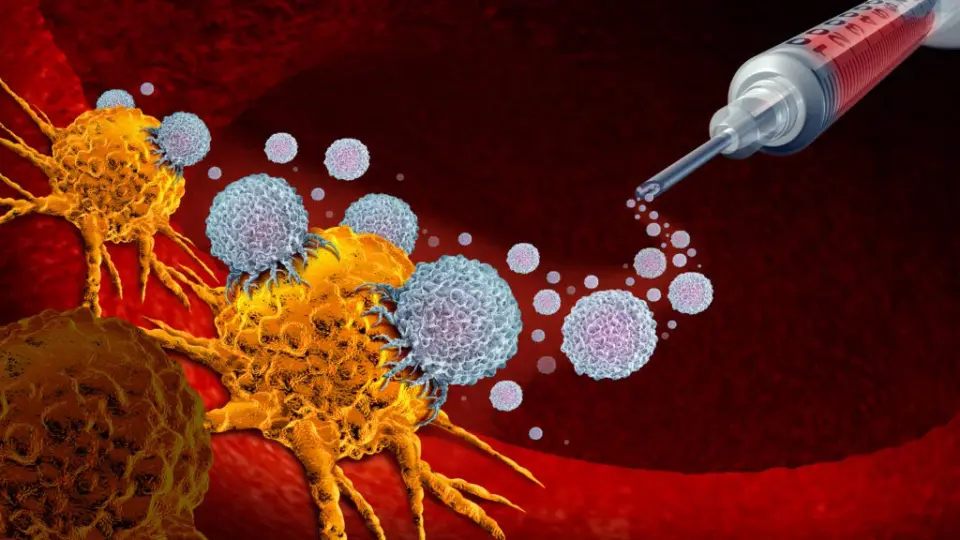
Recent mixed results in cancer vaccine trials have forced the biotech industry to reassess the scope of mRNA-based therapies. While a late-stage melanoma trial showed promise, other programs have failed or been halted, raising questions about which cancers can effectively be targeted by this technology.
Key points
- Merck and Moderna reported in August that their mRNA cancer vaccine, intismeran autogene, slowed the return and spread of melanoma when added to existing treatments.
- The success of the melanoma trial has boosted hopes that the approach can be applied to other cancers, but the field is grappling with which cancers are suitable for mRNA vaccines.
- A separate BioNTech and Genentech trial for colorectal cancer was halted after a safety board identified a survival imbalance, highlighting the challenges of using personalized mRNA vaccines as monotherapy in immunotherapy-resistant tumors.
- Cancer vaccines can be either 'off-the-shelf' or personalized, with personalized vaccines costing over $100,000 to manufacture and requiring DNA sequencing of a patient's cancer.
- Researchers are exploring various platforms, including mRNA, DNA, virus and bacteria vectors, cells, and peptides, to improve the delivery and effectiveness of cancer vaccines.
Background
The field of cancer vaccines has seen significant advancements over the past two decades, building on over a century of research. Recent developments include the success of the Moderna/Merck melanoma trial and the halting of the BioNTech/Genentech colorectal cancer trial. These events highlight the potential and challenges of using mRNA-based therapies in cancer treatment. The field is now focusing on determining which cancers can be effectively targeted by these vaccines and how to improve the delivery and affordability of personalized vaccines.
How outlets are covering it
STAT emphasizes the mixed results in cancer vaccine trials and the need to determine which cancers can be effectively targeted by mRNA vaccines. The New York Post highlights the potential of cancer vaccines to make cancer curable and the progress in developing personalized and off-the-shelf vaccines. KRCG focuses on the development of a breast cancer vaccine in collaboration with the Cleveland Clinic, aiming to prevent recurrence and disease. The perspectives differ in their focus, with STAT and the New York Post emphasizing the broader implications of mixed trial results, while KRCG highlights a specific development in breast cancer prevention.
Why it matters
The mixed results in cancer vaccine trials have significant implications for the future of cancer treatment. The success of the melanoma trial suggests that mRNA-based therapies could be effective for certain cancers, but the failure of other trials highlights the challenges and limitations of this approach. Understanding which cancers can be effectively targeted by mRNA vaccines is crucial for advancing the field and improving patient outcomes. Additionally, the high cost of personalized vaccines and the need for improved delivery methods are important considerations for making these therapies accessible to a broader population.
What to watch
The next steps for the cancer vaccine field include determining which cancers can be effectively targeted by mRNA vaccines and improving the delivery and affordability of personalized vaccines. Researchers are exploring various platforms, including mRNA, DNA, virus and bacteria vectors, cells, and peptides, to enhance the effectiveness of cancer vaccines. Ongoing trials will help determine which combinations of vaccines and treatments work best for different cancers. The field is also focusing on making personalized vaccines faster and more affordable to produce, with the goal of expanding access to these therapies.
- Divergent trial results on cancer vaccines have the field grappling with hard questions STAT
- Could we one day vaccinate against every cancer? STAT
- Breast cancer vaccine in development aims to prevent recurrence and disease KRCG
- The Oxford scientist working to make cancer vaccines a reality The Times
- Exclusive | She was ready to die. Now she’s in remission — cancer vaccines could be the next big thing in medicine New York Post
Want the full story? Read the original reporting
Read on STAT