
Australia evacuates Macquarie Island staff to prevent psychological trauma from bird flu
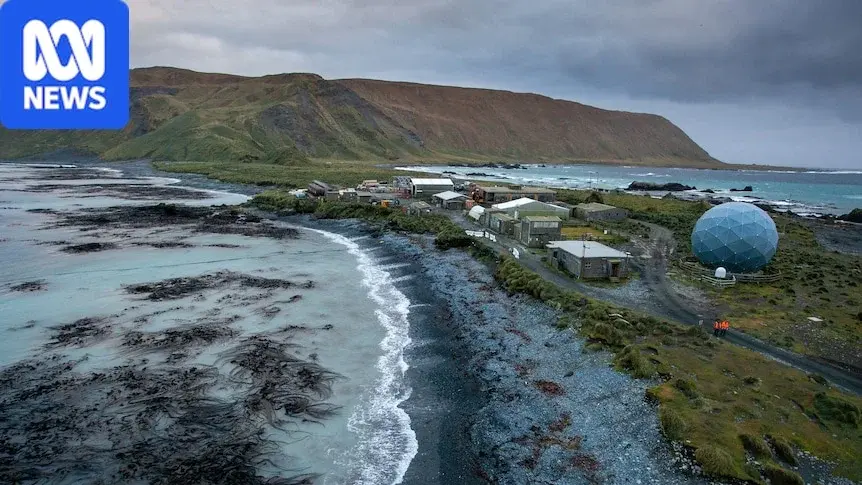
Australia is withdrawing 24 researchers from Macquarie Island to protect their mental health from potential mass seal deaths caused by H5 bird flu. The icebreaker Nuyina will retrieve the team in October, marking the first time the station has been unstaffed since 1948.
Key points
- The Australian Antarctic Division is evacuating 24 expeditioners from Macquarie Island in early October due to the 'psychosocial risk' of witnessing mass wildlife mortality.
- The island hosts 2,500 elephant seals near the station; experts predict up to 90% of pups could die if H5 bird flu arrives, mirroring the loss of 13,000 pups on Heard Island.
- The RSV Nuyina will extract staff and cargo before its Antarctic resupply season, ensuring the station remains unstaffed for the first time since its 1948 establishment.
- A $370 million rebuild of the station, scheduled for completion by 2032, will be delayed but not cancelled by the temporary closure.
- Monitoring will continue via drones and cameras, with plans to redeploy staff in future seasons once the risk subsides.
Background
This decision follows a surge in H5N1 detections across Australia, including mass seabird die-offs in South Australia and the world's largest wild-penguin vaccination drive in Victoria. Earlier reports highlighted the virus's threat to native sea lions and seals, prompting heightened biosecurity measures across sub-Antarctic territories.
How outlets are covering it
While all sources agree on the evacuation, they emphasize different aspects. ABC News and The Maritime Executive focus on the logistical and psychological rationale, citing Deputy Secretary Sean Sullivan's priority on staff wellbeing. The Guardian highlights the broader epidemiological context, noting a confirmed H5 death in a South Australian dolphin and unexplained penguin deaths in Tasmania. Dungog Shire News underscores the uniqueness of Macquarie's location within a seal colony, contrasting it with mainland Antarctic stations where risks are more manageable. All outlets confirm the station will remain unstaffed but monitored, with no immediate plan for permanent closure.
Why it matters
The evacuation underscores the severe psychosocial impact of wildlife disease outbreaks on remote scientific staff and highlights the vulnerability of sub-Antarctic ecosystems to H5N1. It also signals potential delays to critical infrastructure upgrades, affecting long-term environmental and climate research capabilities in the region.
What to watch
The RSV Nuyina is expected to arrive in early October to retrieve personnel and essential cargo. Authorities will implement drone and camera monitoring systems to track wildlife health. Plans for staff return will be developed over the coming months, while the $370 million station rebuild project will proceed, albeit with a delayed timeline.
- Fear of mass seal deaths triggers Australian withdrawal from remote island ABC News & Headlines – Australian Broadcasting Corporation
- Icebreaker to Extract Macquarie Island Researchers Due to Bird Flu Fear The Maritime Executive
- Dolphin dies from H5 bird flu in SA as researchers withdrawn from sub-Antarctic island over ‘psychosocial risk’ The Guardian
- Bird flu threat gets real for elephant seals Dungog Shire News Of The Area
- Bird flu could devastate Macquarie Island. Why are we removing the scientists we need to understand it? Australian Rural & Regional News
Want the full story? Read the original reporting
Read on ABC News & Headlines – Australian Broadcasting Corporation