
DEC Confirms Second CWD Case in Livingston County Deer, Expands Free Testing
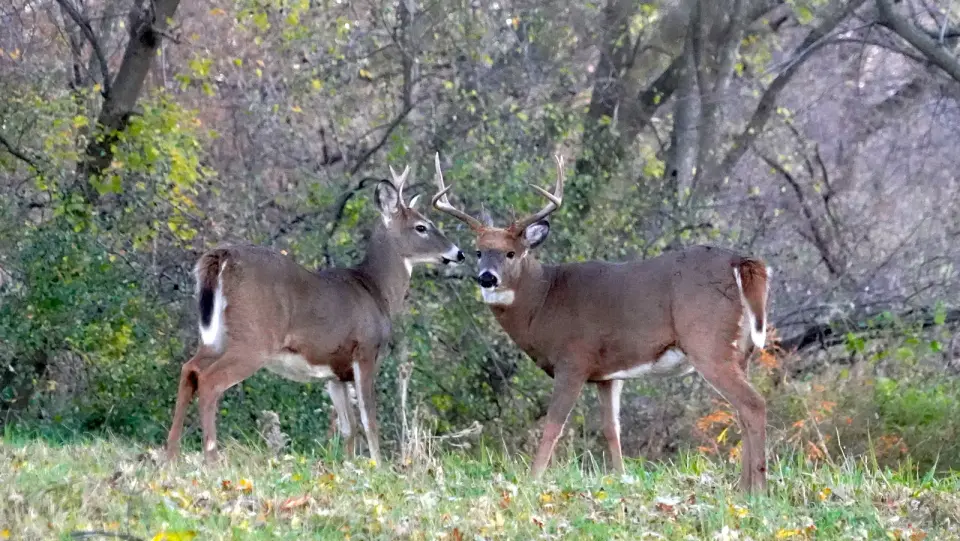
The New York State Department of Environmental Conservation confirmed a second case of Chronic Wasting Disease in a wild white-tailed deer in Livingston County. The positive sample came from a buck harvested in the Town of Sparta, within the existing containment zone. DEC is expanding free testing to neighboring towns and relocating its check station to Sparta on Nov. 30.
Key points
- A second CWD-positive deer was confirmed in Livingston County, an adult male white-tailed deer harvested in the Town of Sparta.
- The new case is located south of the initial detection but remains within the established containment area covering six towns.
- DEC is now offering free CWD testing for deer harvested in the Towns of Ossian and Dansville in Livingston County, and the Town of Wayland in Steuben County.
- Free testing is also available for any deer harvested in towns bordering the CWD Containment Area.
- A new DEC check station will open in the Town of Sparta on Nov. 30, featuring a self-service processing station for deboning meat and disposing of carcasses.
- Hunters are advised to wait for test results before consuming venison from deer harvested in the containment area, as CWD is always fatal to deer.
Background
This is the second confirmed CWD case in New York since 2005. The first case was detected in early November 2026 in a doe harvested in the Town of Sparta, leading to the establishment of a five-year containment zone covering six towns in Livingston County. DEC mandated testing for all deer harvested in this zone and prohibited the transport of whole animals or certain deer products out of the area.
Why it matters
The confirmation of a second CWD case indicates the disease is present in the local deer population, necessitating continued sampling to understand the extent of the outbreak. DEC emphasizes that testing harvested deer is critical for determining disease prevalence and guiding management actions. Hunters are urged to follow prevention practices, such as proper carcass disposal and avoiding the use of natural urine-based scents, to prevent further spread.
What to watch
DEC will continue to evaluate and adjust disease monitoring as more test results are analyzed. The agency plans to keep the public informed as additional samples are processed. Hunters can use DEC’s testing portal to check the status of their tests, with results taking up to two weeks to receive.
Want the full story? Read the original reporting
Read on Hornell Evening Tribune