
H5N1 Bird Flu Threatens Australia’s 12,000 Sea Lions as Mammal Infections Rise
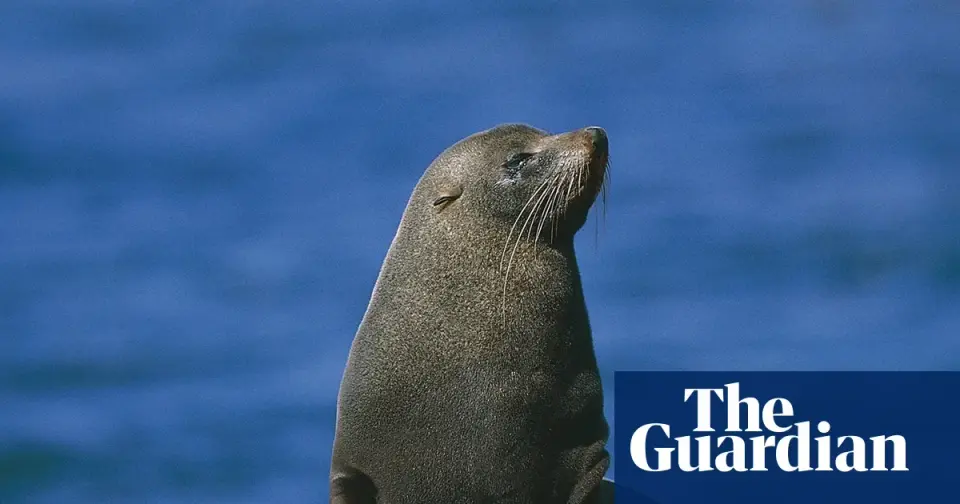
H5N1 bird flu has infected mammals in South Australia, raising fears of catastrophic losses for the endangered Australian sea lion population. Scientists warn that the virus could spread rapidly through seal colonies, potentially causing 'carnage' given the species' small numbers and proximity to infected seabirds.
Key points
- South Australia confirmed its first mammal case of H5N1 in a long-nosed fur seal found dead at Beachport, with a second suspected case reported on the Pages Islands.
- Experts warn that the virus could quickly spread to Australian sea lions, of which only about 12,000 remain, with roughly 75% located in South Australia.
- The virus has already caused massive die-offs in pinnipeds in South America and sub-Antarctic regions, including over 17,000 southern elephant seal pups in Argentina and 13,000 on Heard Island.
- Transmission is facilitated by overlapping breeding colonies of seals and seabirds, as well as environmental contamination from mass bird mortalities.
- Authorities are considering targeted vaccination for high-risk mammals, such as sea lions at Seal Bay on Kangaroo Island, though no registered mammal vaccines currently exist.
Background
Australia has been battling H5N1 bird flu since early 2026, with mass die-offs of seabirds like greater crested terns in South Australia and Tasmania. Previous efforts included a major vaccination drive for little penguins in Victoria and targeted inoculation of captive birds. The current situation marks a significant escalation as the virus moves from birds to mammals, threatening endangered species like the Australian sea lion, which was already vulnerable due to environmental stressors like algal blooms.
How outlets are covering it
The Guardian emphasizes the imminent threat to Australian sea lions, citing expert warnings of 'carnage' and highlighting the small population size as a critical vulnerability. ABC News focuses on the broader scale of the outbreak, detailing mass bird mortalities in South Australia and Tasmania, and noting that while mammal infections are suspected, no mass mortality in mammals has yet been confirmed. The Conversation highlights a different angle, warning that backyard bird feeding could act as a 'superspreader' event for H5N1, potentially accelerating transmission to wildlife and humans, though this is less directly linked to the seal crisis than the other sources. All sources agree on the severity of the outbreak but differ in emphasis: The Guardian and ABC focus on wildlife impact and government response, while The Conversation focuses on human behavior as a transmission vector.
Why it matters
The infection of mammals by H5N1 signals a potential shift in the virus's host range, with serious implications for endangered species like the Australian sea lion. If the virus spreads rapidly through seal colonies, it could lead to population collapse, given the small numbers and high density of breeding sites. This also raises concerns about broader ecosystem impacts and the need for effective conservation strategies, including vaccination, to prevent further losses.
What to watch
Authorities will continue monitoring for additional mammal cases and may proceed with targeted vaccination programs for high-risk species. Scientists expect the virus to spread more quickly into sea lion populations in South Australia in the coming weeks due to proximity to infected seabirds. Ongoing surveillance and testing will be critical to understanding the virus's impact on mammals and guiding conservation efforts.
- Australia has just 12,000 sea lions left – and ‘carnage’ may await them as bird flu takes hold, scientists warn The Guardian
- Australia confirms H5N1 bird flu case in local mammal DW.com
- Backyard bird feeding could be a bird flu ‘superspreader’. An expert explains The Conversation
- How do you vaccinate 1,000 tiny penguins against bird flu in the wild? It’s ‘really tricky’ but there is a way The Guardian
- Bird flu suspected as 1,000 birds found dead in three mass mortality events ABC News & Headlines – Australian Broadcasting Corporation
Want the full story? Read the original reporting
Read on The Guardian