
Postmenopausal Ovaries Remain Biologically Active, Linking Aging to Cancer Risk
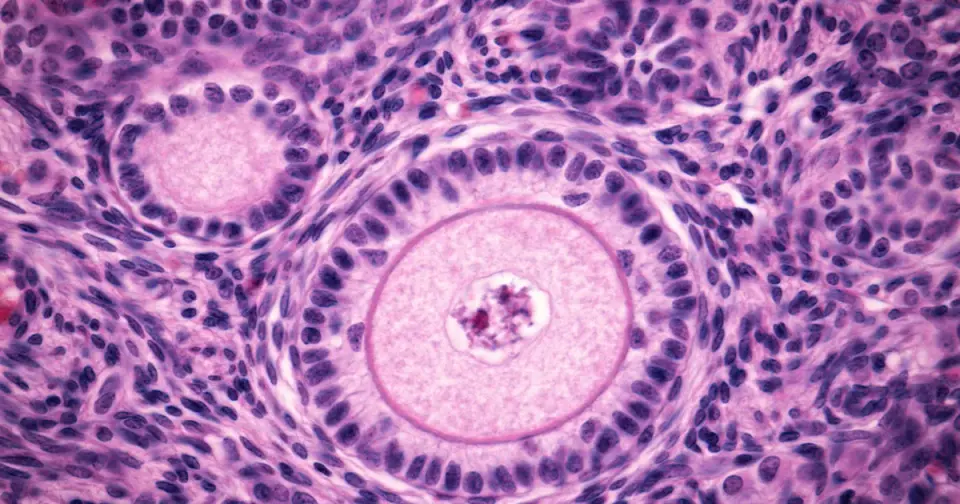
A new study reveals that ovaries do not become inert after menopause but continue to remodel, showing increased inflammation and structural changes that may influence systemic aging and cancer susceptibility.
Key points
- Researchers at Northwestern University and the Buck Institute analyzed ovarian tissue from 28 postmenopausal women aged 50 to 75, finding that the organ remains biologically active decades after fertility ends.
- Using mass spectrometry, the team identified 5,812 protein groups, revealing that older ovaries exhibit higher levels of proteins associated with inflammation and immune activity, while younger postmenopausal ovaries retain more proteins for tissue maintenance.
- The study found a molecular link between ovarian aging and cancer, noting that proteins previously associated with ovarian cancer were more abundant in aging ovaries, particularly in women in their 60s, suggesting an inflammatory environment that may favor tumor growth.
- The findings challenge the view that ovaries are 'innocent bystanders' after reproduction, raising questions about whether these organs influence systemic aging and chronic disease in other parts of the body.
- The research does not recommend removing healthy ovaries after menopause but highlights the need for further studies to determine if these changes are beneficial or harmful and to develop potential biomarkers for cancer.
Background
Previous research by Francesca Duncan’s lab in mice had shown similar evidence of continued remodeling in postmenopausal ovaries. In 2016, Duncan’s team first identified that aging ovaries become increasingly inflamed and fibrotic, similar to scarring in other tissues. This new human study builds on that foundation, confirming that the biological changes observed in mice are also present in humans, providing a more comprehensive understanding of ovarian aging across species.
How outlets are covering it
Northwestern Now News and The Washington Post emphasize the paradigm-shifting nature of the findings, highlighting that ovaries are not defunct after menopause but continue to remodel and influence systemic health. ScienceAlert focuses on the 'career change' analogy, stressing the dynamic protein shifts and the potential implications for healthcare in post-reproductive years. Scientific American provides a broader context, noting that while the ovaries continue to evolve, it remains unclear whether these changes are beneficial or harmful, and emphasizes the need for further research to uncover the mysteries of postmenopausal ovarian function. All sources agree on the core finding that ovaries remain active, but they differ in their emphasis on the cancer link and the systemic implications of ovarian aging.
Why it matters
Understanding the ongoing biological activity of ovaries after menopause could lead to new therapeutic targets for reducing cancer risk and developing biomarkers for early detection. It also raises important questions about the role of ovaries in systemic aging and chronic disease, potentially influencing future healthcare strategies for women in their post-reproductive years.
What to watch
Further research is needed to determine the exact functions of the postmenopausal ovary and whether the observed changes are beneficial or harmful. Researchers aim to investigate whether the aging ovary can be targeted therapeutically to lower cancer risk and to develop novel biomarkers for ovarian cancer. Additionally, studies will explore the systemic impact of ovarian aging on other organs and chronic diseases in women.
- The ovary doesn’t retire after menopause Northwestern Now News
- Ovaries Develop an Intriguing Second Role After Menopause ScienceAlert
- A bee sting mystery, a microplastics warning and a rethink of menopause Scientific American
- Why the ovary still matters well beyond menopause The Washington Post
- Proteomics Reveals Ovarian Remodeling Decades After Menopause Genetic Engineering and Biotechnology News
Want the full story? Read the original reporting
Read on Northwestern Now News