
Bundibugyo Ebola Outbreak Kills 5,376 in DRC, Spreads to Three Other Nations
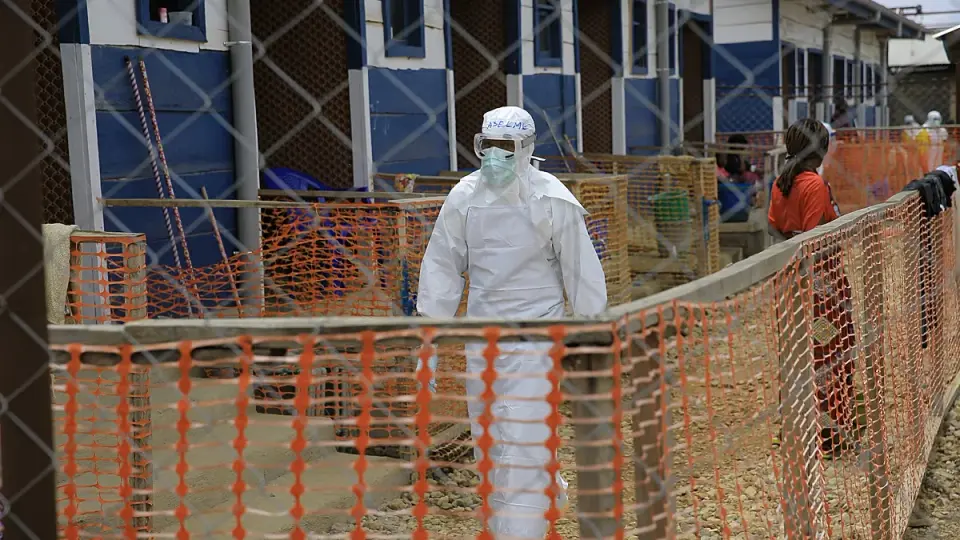
The 2026 Ebola outbreak in the Democratic Republic of Congo (DRC) has become the fastest-growing and most widespread in history, killing 5,376 people and infecting over 10,000. Caused by the rare Bundibugyo strain, which lacks an approved vaccine, the crisis has spread to Kenya, Uganda, and Nigeria. Health officials warn of potential global spread, urging immediate preparedness and cross-border cooperation.
Key points
- The outbreak has killed 5,376 people, with 5,372 deaths in the DRC, two in Kenya, and two in Uganda, according to Africa CDC data from November 1, 2026.
- Over 10,000 cases have been confirmed, with a fatality rate exceeding 50%, making it the deadliest Ebola epidemic in the DRC's history and the second largest globally.
- The Bundibugyo virus strain has no approved vaccine or treatment, though clinical trials for the Ervebo vaccine (effective against the Zaire strain) have begun.
- The outbreak has spread to Kenya (nine cases), Uganda (20 cases, now Ebola-free), and Nigeria (one confirmed case, two suspected), marking the first time three African regions have been affected simultaneously.
- Africa CDC director Jean Kaseya warned that the outbreak could reach Europe and other continents, comparing the spread to the early stages of the COVID-19 pandemic.
Background
This is the 17th Ebola outbreak in the DRC since the virus was identified. The previous deadliest outbreak in the country occurred between 2018 and 2020, killing 2,299 people. The current crisis is exacerbated by ongoing conflict in the Ituri province, inadequate protective equipment, unpaid health worker wages, and reduced disease surveillance due to USAID cuts. The WHO declared a public health emergency of international concern in May 2026.
How outlets are covering it
Euronews and BBC emphasize the scale of the outbreak, noting it is the fastest-growing and most widespread in history, with over 10,000 cases and a 48.6% fatality rate. The Guardian and New York Post highlight the potential for global spread, with Africa CDC director Jean Kaseya warning that all countries must increase preparedness to avoid becoming hotspots. BBC notes that the outbreak is hampered by violence against health workers and community mistrust, while The Guardian points to global aid cuts and conflict as major obstacles. All sources agree that the Bundibugyo strain lacks an approved vaccine, though clinical trials are underway.
Why it matters
The outbreak threatens to become a global pandemic if not contained, with health officials warning that failure to provide funding and cooperation could lead to trillions of dollars in costs. The lack of an approved vaccine for the Bundibugyo strain, combined with conflict and aid cuts, makes containment extremely difficult. The spread to multiple countries, including Nigeria, raises concerns about further international transmission.
What to watch
Africa CDC director Jean Kaseya will convene a meeting of African health ministers on November 3 to urge greater cross-border cooperation and screening at points of entry and exit. Clinical trials for the Ervebo vaccine are underway, with results expected in three to six months. The WHO is calling for a 'corridor of peace' in conflict areas to allow health workers to respond. The US CDC has implemented a new travel requirement starting November 3, requiring travelers to confirm they have not been in the DRC in the previous 21 days.
- Ebola kills over 5,300 in fastest-growing outbreak on record Euronews.com
- More than 5,000 die from Ebola in DR Congo's deadliest outbreak BBC
- Africa’s ‘unprecedented’ Ebola outbreak could reach UK, says top health official The Guardian
- Officials warn ‘unprecedented’ disease outbreak is ‘very dire’ New York Post
- Latest on Ebola, AI math shocker and the dangers of permanent daylight saving Scientific American
Want the full story? Read the original reporting
Read on Euronews.com