
Guinea-Bissau’s First Mpox Outbreak Disproportionately Affects Children Amid Fragile Surveillance
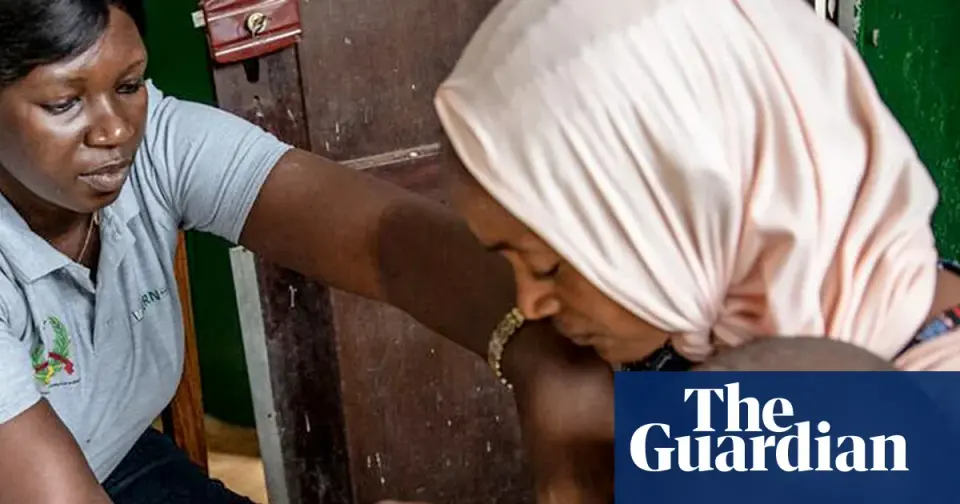
Guinea-Bissau declared its first mpox epidemic on July 4, 2026, following a confirmed case in a 27-year-old woman. As of mid-August, authorities report seven confirmed cases and 46 suspected cases, with no deaths recorded. Children under 15 account for half of the suspected cases, including 16 under age four. UNICEF warns that fragile surveillance systems likely allow the virus to spread undetected, particularly as schools reopen in September. The outbreak coincides with infrastructure challenges, including power outages and the aftermath of a military suspension of the November 2025 presidential election. UNICEF has requested over $150,000 in emergency funding to strengthen contact tracing and community outreach.
Key points
- Guinea-Bissau declared a national mpox outbreak on July 4, 2026, after a 27-year-old woman became the first confirmed case.
- As of August 17, 2026, there are seven confirmed cases (all adults) and 46 suspected cases; no deaths have been reported.
- Children under 15 represent 50% of suspected cases, with 16 of those children aged 0–4, raising concerns about severe complications.
- UNICEF states that fragile health surveillance systems likely allow undetected transmission, especially among children.
- The outbreak is concentrated in the Bissau autonomous sector, with one case in Biombo; confirmed cases are not linked, suggesting hidden transmission chains.
- UNICEF is requesting over $150,000 in flexible emergency funding to support surveillance, contact tracing, and community education.
Background
This is the first reported mpox outbreak in Guinea-Bissau. The broader regional context includes ongoing mpox activity in East, Central, and West Africa since January 2024, with over 2,000 deaths recorded across the region. Clade I variants, which are more lethal, have been reported in neighboring countries and in the United States (e.g., Arizona and San Diego County in 2026), but the variants in Guinea-Bissau are consistent with those circulating in nearby West African nations. The country’s health system has limited laboratory capacity but has experience managing other crises, such as the 2020–2021 Ebola outbreak and the 2020–2021 pandemic response led by Dr. Magda Robalo.
How outlets are covering it
The Guardian and UNICEF both emphasize the disproportionate impact on children and the fragility of surveillance systems, but UNICEF provides specific funding needs ($150,000) and detailed breakdowns of age groups (0–4 and under 15). The Guardian highlights the political and infrastructure context, including the military’s suspension of the November 2025 presidential election and power outages, which UNICEF does not mention. Devdiscourse and fundsforNGOs largely mirror the UNICEF and Guardian narratives, with fundsforNGOs adding details on mpox symptoms and transmission routes (e.g., contact with lesions, contaminated items). All sources agree that no deaths have been reported and that the outbreak is the first in Guinea-Bissau, but only the Guardian notes the earlier suspension of a US-funded hepatitis B vaccine trial, which may affect public trust in health interventions.
Why it matters
The outbreak underscores the vulnerability of children in countries with weak health surveillance systems, particularly as schools reopen. The lack of confirmed cases among children, despite high suspected cases, suggests underreporting or delayed testing, which could lead to undetected transmission. The political and infrastructure instability in Guinea-Bissau may hinder the response, while the regional spread of Clade I variants increases the risk of cross-border transmission. UNICEF’s funding appeal highlights the need for rapid, flexible support to prevent a larger outbreak.
What to watch
UNICEF and the Ministry of Public Health will continue to strengthen surveillance, contact tracing, and community outreach in the coming weeks. Schools are scheduled to reopen in September, which may increase transmission among children. The government and international partners will monitor for new cases and adjust response strategies as needed. UNICEF will seek the requested $150,000 in emergency funding to support critical interventions, including infection prevention and hygiene measures in health facilities.
- Children make up half of mpox cases in Guinea-Bissau as epidemic spreads The Guardian
- Guinea-Bissau faces first mpox outbreak: UNICEF Medical Xpress
- Children Make Up Half of Suspected Mpox Cases in Guinea-Bissau Devdiscourse
- Children account for half of suspected mpox cases in Guinea-Bissau UNICEF
- Mpox Cases Raise Concern for Children in Guinea-Bissau fundsforNGOs News
Want the full story? Read the original reporting
Read on The Guardian