
Congo Ebola Crisis Hits 10,000 Cases as Virus Reaches West Africa
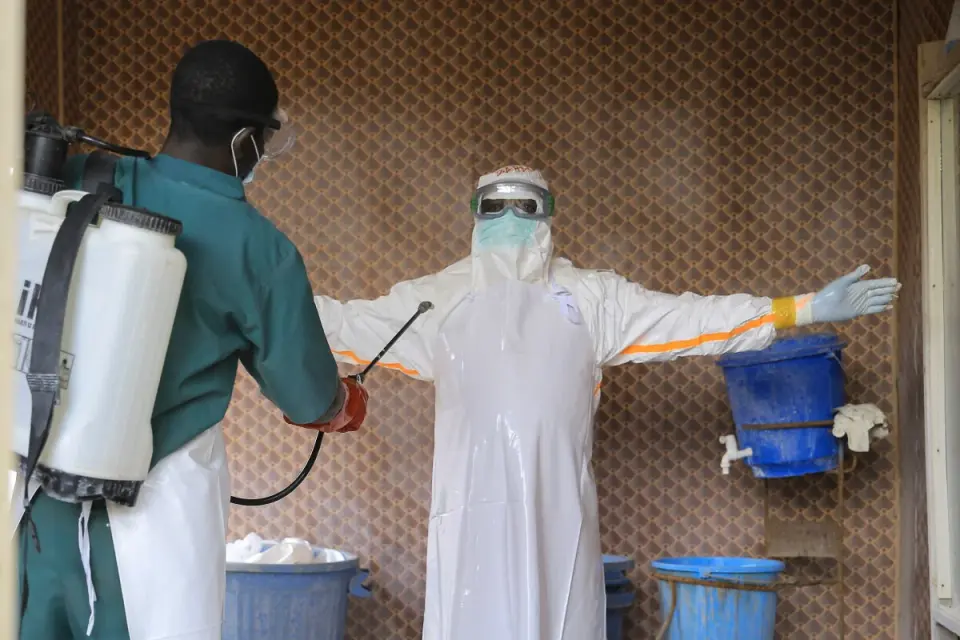
The Bundibugyo Ebola outbreak in the Democratic Republic of Congo has surpassed 10,000 confirmed cases, becoming the deadliest in the country's history. With nearly 4,700 deaths and no approved vaccine, the crisis has spread to five nations, including Nigeria and Kenya, prompting urgent international coordination.
Key points
- Congo's Ministry of Health reported 10,060 confirmed cases and 4,687 deaths as of late October 2026, marking the fastest-growing and deadliest Ebola outbreak in the nation's history.
- The outbreak, caused by the rare Bundibugyo virus, has spread to 66 health zones across eight provinces, with Ituri province serving as the primary epicenter.
- The virus has reached five countries: the DRC, Uganda, France, Kenya, and Nigeria, with Nigeria confirming its first imported case in Abuja on October 20, 2026.
- Approximately 80% of new cases in Congo originate from outside monitored contacts, indicating significant gaps in surveillance and community reporting.
- Health workers face severe challenges, including unpaid wages leading to strikes, community violence, and a lack of approved vaccines or treatments for the Bundibugyo strain.
Background
This outbreak began in May 2026 and has escalated rapidly, surpassing 9,000 cases in mid-October. Previous coverage noted the strain's high mortality rate and the logistical hurdles posed by armed conflict and community mistrust. The recent expansion to West Africa marks a significant geographic shift from the initial East African focus.
How outlets are covering it
AP News emphasizes the scale of the crisis, highlighting the 10,000-case milestone and the impact on maternal mortality and routine healthcare. WHO data provides granular details on transmission, noting that 48.3% of cases are fatal and that contact tracing rates remain below the 95% threshold required for control. While AP focuses on the human toll and community resistance, WHO highlights the technical challenges of surveillance and the recent launch of the TUMAINI vaccine trial in Bunia.
Why it matters
The outbreak's expansion to West Africa and its high mortality rate pose a significant risk to global health security. The lack of approved treatments and the strain's ability to spread through unmonitored contacts suggest that containment efforts are lagging behind the virus's spread, potentially leading to further international transmission.
What to watch
African health ministers are scheduled to hold a virtual summit on October 28 to strengthen the continental response. WHO is revising its risk assessment and urging countries to enhance cross-border surveillance. The TUMAINI vaccine trial will continue to gather data on potential treatments, while health workers in Congo face ongoing strikes and violence.
- Congo’s Ebola outbreak tops 10,000 cases as authorities race to slow the spread in African countries AP News
- Congo's Ebola cases surpass 10,000 as fears grow of wider African spread Reuters
- Congo Ebola Cases Top 10,000 as Violence Hits Health Workers Bloomberg.com
- Ebola Outbreak in Africa Reaches Widest Expansion Ever The New York Times
- Ebola disease caused by Bundibugyo virus, Democratic Republic of the Congo, Kenya and Nigeria World Health Organization (WHO)
Want the full story? Read the original reporting
Read on AP News