
Insecticide-Resistant Malaria Mosquito Spreads Rapidly Across African Cities
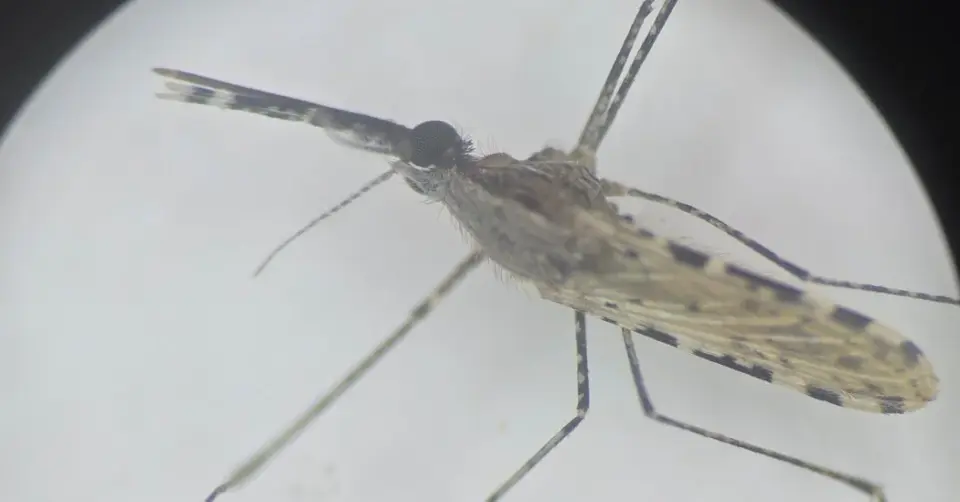
A genomic study reveals that Anopheles stephensi, an invasive mosquito carrying malaria, has spread across Africa faster than predicted. The species is now resistant to all current insecticides and thrives in urban areas, threatening megacities like Lagos and Kinshasa. In Djibouti, its arrival caused malaria cases to surge from 27 in 2012 to over 70,000 in 2020. Experts warn that containment is no longer possible, and the mosquito’s expansion is accelerating due to climate instability and reduced funding for surveillance.
Key points
- Anopheles stephensi, first detected in Djibouti in 2013, has expanded across Africa at a rate of up to 300 miles per year, moving west to Ghana and south through Kenya.
- Genomic analysis of specimens from 10 countries confirms the mosquito is resistant to all insecticides currently used in control campaigns, rendering standard spraying ineffective.
- Unlike native African malaria vectors, stephensi thrives in urban environments and is not deterred by dry seasons, posing a new threat to cities with populations of 20 million, such as Lagos and Kinshasa.
- In Djibouti, malaria cases increased from 27 in 2012 to nearly 1,700 in 2014, reaching over 70,000 by 2020 after the mosquito’s arrival.
- Surveillance efforts are hampered by funding cuts, including a reduction in US support, and armed conflicts in Sudan and Yemen, which have displaced millions and disrupted data collection.
Background
Previous coverage in July 2026 highlighted alternative mosquito control strategies, such as sterile insect releases in Sacramento, but those methods target Aedes aegypti, not the malaria-carrying Anopheles stephensi. The current situation in Africa represents a distinct crisis involving a different species with unique urban adaptability and insecticide resistance, complicating malaria control in regions where budgets are shrinking and infrastructure is fragile.
Why it matters
The spread of Anopheles stephensi threatens to reverse decades of progress in malaria reduction, particularly in urban areas where populations lack immunity. Its resistance to all current insecticides undermines existing control strategies, while its ability to thrive in cities and year-round conditions creates a new, persistent public health challenge. With funding cuts and conflict limiting surveillance, the risk of widespread malaria outbreaks in major African cities is increasing, potentially overwhelming healthcare systems and exacerbating existing displacement crises.
What to watch
Scientists expect stephensi to continue expanding into unmonitored countries like Chad, Somalia, and South Sudan. Without increased funding for surveillance and new control methods, the mosquito’s spread may accelerate, leading to higher malaria rates in urban centers. Researchers are calling for urgent investment in data collection and alternative intervention strategies, but current budget cuts and instability may delay effective responses.
Want the full story? Read the original reporting
Read on nytimes.com