
Phone Data Reveals Ebola Spread Months Before Detection in DRC
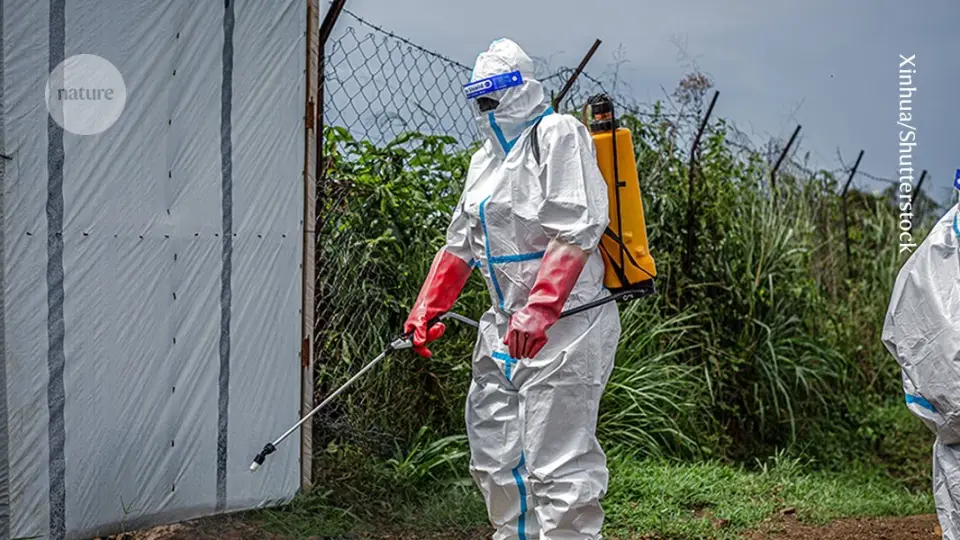
A new study using mobile phone data shows the Bundibugyo Ebola strain circulated in the Democratic Republic of Congo for weeks before its official detection in May 2026. The outbreak, now the second deadliest in history, has infected over 11,000 people and killed more than 5,000. Researchers attribute the rapid spread to surveillance failures, funding gaps, and armed conflict, while aid organizations warn that millions of dollars in response funding are not reaching frontline workers.
Key points
- Mobile phone data indicates the virus was circulating in Ituri and North Kivu provinces as early as late April 2026, weeks before the official declaration in May.
- The outbreak has surpassed 11,000 confirmed cases and 5,387 deaths, making it the second deadliest Ebola outbreak ever recorded.
- The Bundibugyo strain lacks approved vaccines or treatments, complicating containment efforts across eight provinces in the DRC.
- Médecins Sans Frontières (MSF) reports that millions of dollars in aid are not reaching frontline workers, leading to shortages of medical supplies and personnel.
- Armed conflict and community mistrust have hindered contact tracing, with over 1,000 contacts lost to follow-up in key hot spots.
Background
This outbreak began in May 2026 and has since become the second deadliest in history, surpassing the 2014-2016 West African outbreak in case and death counts within six months. Previous coverage noted the virus's spread to Kenya, Uganda, and Nigeria, as well as significant funding shortfalls and delays in detection due to testing errors and surveillance gaps.
How outlets are covering it
Nature highlights the role of mobile phone data in reconstructing the early spread, emphasizing surveillance failures and funding cuts as key factors in the outbreak's rapid growth. The New York Times focuses on the humanitarian crisis in besieged towns, where bodies are stacked on racks due to a lack of burial space and medical supplies. BBC and MSF report on the mismanagement of funds, noting that hundreds of millions of dollars are unaccounted for, leaving frontline workers without essential equipment. NBC News underscores the severity of the outbreak, noting that nearly half of those infected have died, and highlights the impact of armed conflict and community mistrust on containment efforts.
Why it matters
The outbreak's rapid spread and high mortality rate underscore the critical need for improved surveillance systems, adequate funding, and conflict resolution in affected regions. The lack of approved vaccines or treatments for the Bundibugyo strain makes containment even more challenging, while the mismanagement of aid funds threatens the effectiveness of the response. The outbreak's spread to multiple countries raises concerns about potential global transmission, highlighting the need for international cooperation and preparedness.
What to watch
Health authorities are calling for a halt to armed conflict to allow health workers unhindered access to the sick. MSF has urged the Congolese government and UN agencies to strengthen oversight and accountability to ensure that funds are effectively utilized. Experts warn that without immediate action, the outbreak could last another year, with more than half of cases going undetected. The DRC is also working to contain the virus in neighboring countries, with Kenya recently discharging its last Ebola patient.
- Record-breaking Ebola outbreak: phone data reconstruct first weeks of spread Nature
- Caught Between Killers: Ebola on One Side, Islamic State on the Other The New York Times
- Ebola in DR Congo: Millions of dollars going missing as virus spreads, MSF warns BBC
- Ebola tops 11,000 cases in Congo’s deadliest outbreak NBC News
- Trump Gutted USAID. Congo Pays the Price in an Ebola Epidemic Time Magazine
Want the full story? Read the original reporting
Read on Nature