
Glycation: How Sugar and Lifestyle Factors Accelerate Skin Aging
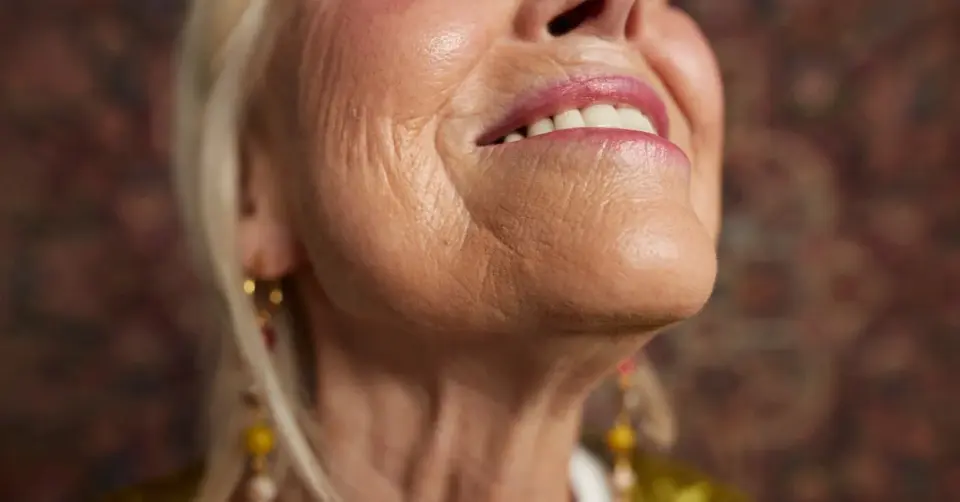
Skin glycation, often called the 'sugar sag,' is a natural process where sugars bind to collagen and elastin, forming advanced glycation end products (AGEs) that stiffen skin fibers. While high sugar diets accelerate this, factors like UV exposure, smoking, and genetics also contribute. Experts note that glycation is irreversible but can be slowed through sunscreen, antioxidants, and healthy habits.
Key points
- Glycation involves sugars binding to skin proteins like collagen and elastin, creating AGEs that make fibers brittle and less functional.
- High sugar intake speeds up glycation, but UV radiation, pollution, smoking, and genetics also damage skin structure.
- Visible signs include wrinkles, sagging, dullness, and a yellowish skin tone, which overlap with normal aging.
- There is no proven treatment to reverse glycation once AGEs are formed, so prevention is the primary strategy.
- Mitigation strategies include daily SPF 30+ sunscreen, reducing added sugars, using antioxidants like vitamin C, and managing chronic inflammation.
Background
Recent coverage has highlighted how dietary sugars impact health beyond weight, such as the 2026 warning that fruit juice can accelerate aging in adults over 50 due to high sugar content. This aligns with current dermatological focus on how metabolic factors influence skin integrity.
How outlets are covering it
Both BuzzFeed and HuffPost emphasize that glycation is a natural process influenced by multiple factors, not just diet. HuffPost provides more detailed expert quotes from dermatologists like Dr. Jennifer Holman and Dr. Alexandra Richmond, explaining the microscopic breakdown of elastin fibers. BuzzFeed’s coverage is more concise, focusing on the term 'sugar sag' and the link between high-sugar diets and visible aging. Neither outlet disputes the core scientific mechanism, but HuffPost offers more depth on prevention strategies and the irreversibility of AGE formation.
Why it matters
Understanding glycation helps individuals recognize that skin aging is not solely genetic or sun-related but is also influenced by metabolic and lifestyle choices. This knowledge empowers people to adopt preventive measures that protect skin structure and overall health.
What to watch
Dermatologists may continue to develop treatments that target AGEs or their effects, though current consensus is that prevention is key. Consumers may see more skincare products marketed with anti-glycation claims, focusing on antioxidants and sugar-reducing ingredients.
Want the full story? Read the original reporting
Read on BuzzFeed