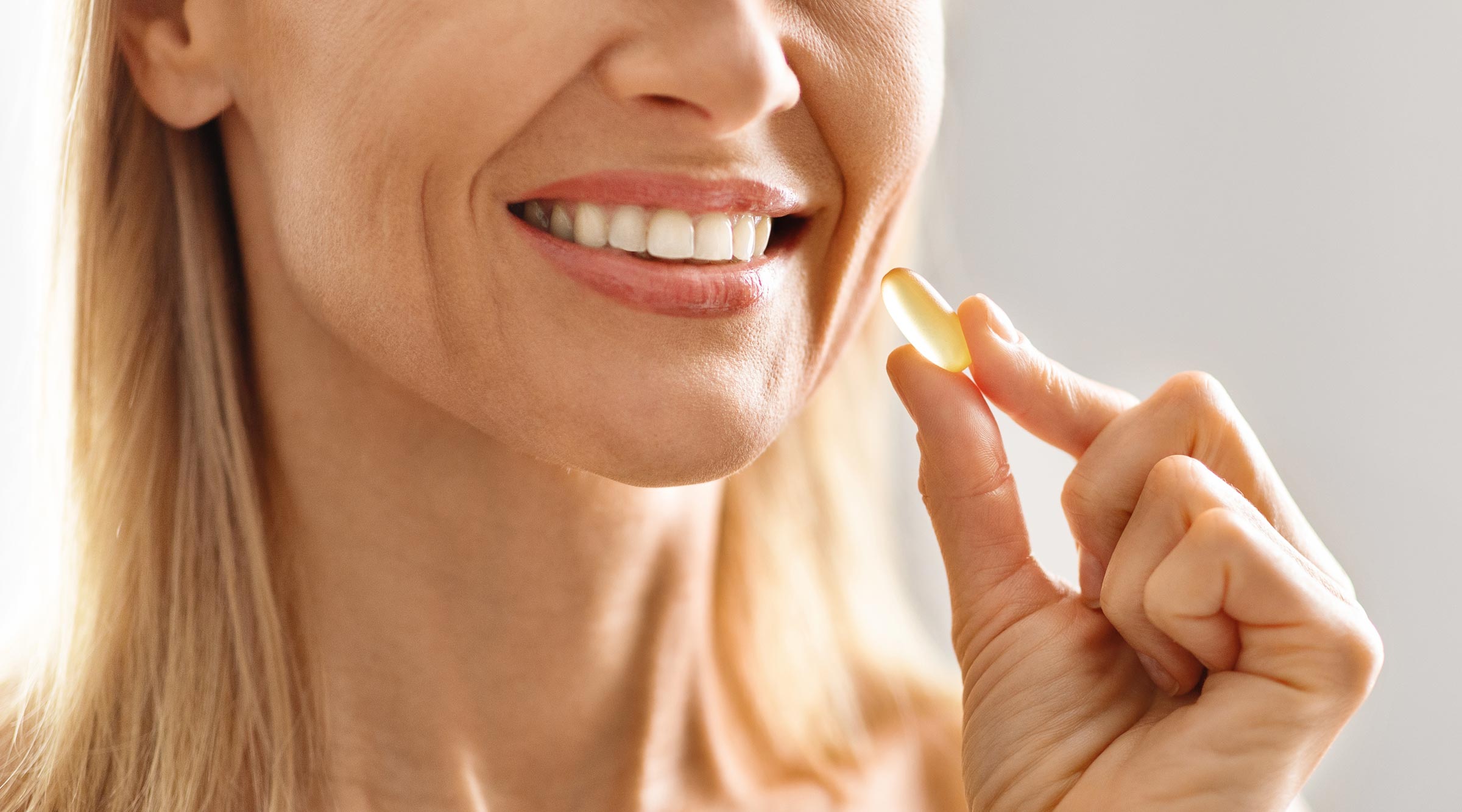
A new review in the Journal of Cosmetic Dermatology finds that the evidence supporting collagen supplements for skin aging is methodologically flawed. While some studies show modest benefits, the authors argue that current data is biased and insufficient to recommend these products in clinical practice.
Skin glycation, often called the 'sugar sag,' is a natural process where sugars bind to collagen and elastin, forming advanced glycation end products (AGEs) that stiffen skin fibers. While high sugar diets accelerate this, factors like UV exposure, smoking, and genetics also contribute. Experts note that glycation is irreversible but can be slowed through sunscreen, antioxidants, and healthy habits.
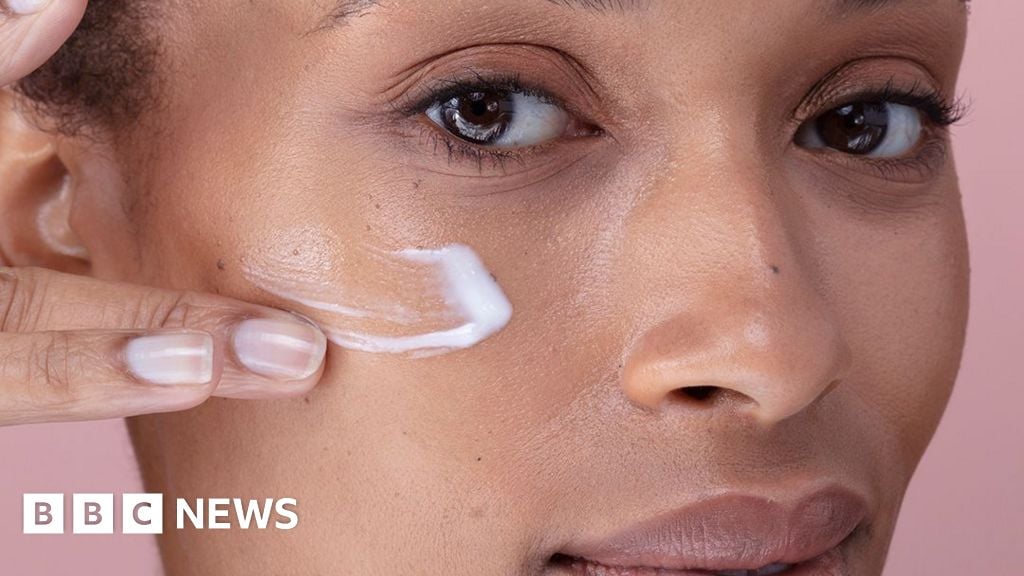
Dermatologists say regular, daily sunscreen use can reduce sun damage and improve skin texture and tone over time, potentially making skin look younger by enabling its natural repair processes; it won’t undo deep wrinkles, so consistency and using it with other anti-aging products (like retinol and vitamin C) are important, along with reapplication and sun protection through shade and avoidance of peak UV.
Collagen makes up about 75% of the skin’s dry weight and begins to decline around age 25 (roughly 1% per year, with faster loss after menopause due to lower estrogen). Early signs include reduced firmness and sagging, drier skin, more noticeable wrinkles, less fullness, and subtle changes to facial shape. While collagen loss isn’t entirely preventable, you can slow it by protecting skin from sun, getting enough rest and managing stress, exercising, and eating a balanced diet rich in protein and nutrients. Use collagen-boosting actives (peptides, glycosaminoglycans, hyaluronic acid, vitamin C, niacinamide) and consider retinoids to stimulate your skin’s own collagen production. Topical collagen creams may improve surface texture but don’t prevent deep loss; a dermatologist can tailor a plan.
A Beauty piece reviews a large Anglia Ruskin University study finding long-term collagen supplementation can boost skin elasticity, hydration and joints, but it’s not a miracle anti‑wrinkle fix and effects on roughness are limited. The author stresses collagen declines with age and supplements should complement, not replace, fundamentals like sun protection and a healthy diet, with most products needing several months of consistent use. She also shares personal experience with powders, tablets and liquids, noting nails may strengthen while hair results vary.
New research indicates black ginseng extract (BGE), rich in rare ginsenosides formed during processing, may counter inflammation-driven skin aging by reducing MMP-1 expression and prostaglandin E2 while increasing TIMP-1 in human fibroblasts and a 3D skin model; docking studies suggest ginsenosides Rg3, Rg5, and RK1 bind to inflammation- and aging-related proteins, highlighting BGE’s potential as a cosmetic/dermatology ingredient to preserve collagen and skin structure. Further work is needed to fully map the pathways involved.
Researchers compared skin ridges across multiple mammals to uncover how rete ridges form, with findings suggesting these structures may harbor stem cells essential for regeneration and could pave the way for anti-aging skin therapies.
Despite the popularity of collagen supplements for aging skin, scientific evidence does not strongly support their effectiveness, and they are not currently recommended by dermatologists. Natural ways to support collagen include a healthy diet rich in protein and vitamin C, sun protection, and avoiding smoking, which are more proven methods to maintain skin health.
The effectiveness of collagen supplements for reducing skin aging is uncertain, with limited scientific evidence supporting their benefits. While some users report improvements in skin brightness, hair, and nails, experts highlight that collagen taken orally may not reach the skin directly, and topical creams are unlikely to penetrate deeply. Industry-funded studies tend to show more positive results, but overall, maintaining skin health is best achieved through sun protection, a healthy diet, and lifestyle choices rather than relying solely on supplements.
An anti-aging expert highlights 7 common foods and drinks—such as ice cream, cola, fruit juices, margarine, artificial sweeteners, muffins, and alcohol—that silently accelerate skin aging by damaging collagen, dehydrating, or causing inflammation, emphasizing the importance of mindful eating for maintaining youthful, radiant skin.
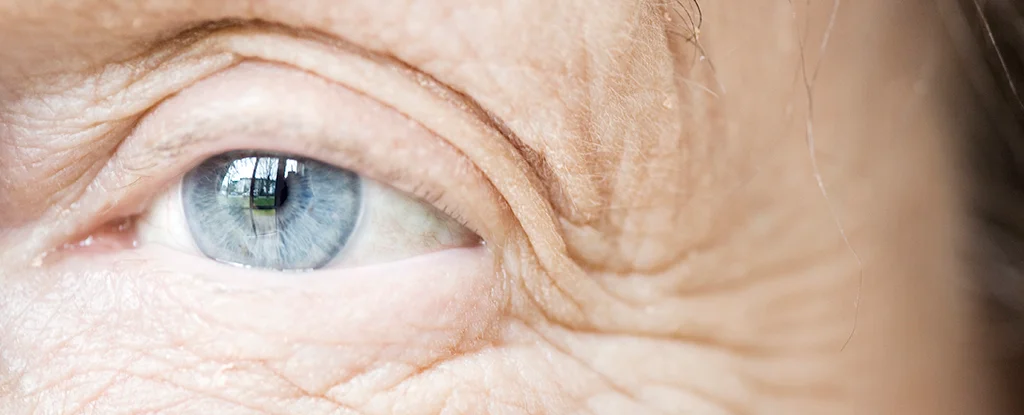
A study by Binghamton University researchers explains that skin wrinkles with age due to repeated stretching and buckling, similar to denim creases, with changes in skin stiffness and collagen density contributing to this process. The findings provide experimental evidence of the physical mechanisms behind aging skin and have implications for skincare and understanding other tissues, as well as the impact of sun exposure on skin aging.
New research from Binghamton University reveals that wrinkles are primarily caused by the physical buckling of skin due to uneven tension and mechanical stress, rather than age alone. As skin ages, it loses elasticity and shrinks unevenly, leading to buckling when a critical stress threshold is reached, with UV damage accelerating this process. Future anti-wrinkle treatments may focus on rebalancing internal skin stresses rather than just boosting collagen. Meanwhile, proven skincare practices like sunscreen, retinoids, and maintaining skin health remain important.
A new study suggests that vitamin C, commonly found in fruits and vegetables, can help slow skin aging by promoting epidermal thickness through epigenetic mechanisms, specifically DNA demethylation, which encourages keratinocyte proliferation. This finding indicates that vitamin C could be a useful treatment for thinning skin in older adults.
A Japanese study reveals that vitamin C can thicken and rejuvenate skin by reactivating genes involved in cell growth through epigenetic changes, suggesting its potential as a genetic anti-aging treatment for skin.
Dermatologists suggest that using estrogen cream may help combat signs of skin aging, particularly in post-menopausal women, as the loss of estrogen can lead to drier skin and increased wrinkles. However, it's important to consult with a healthcare provider before starting any hormone-based treatment.