
Magnetic microrobots accelerate clot dissolution in pig trials
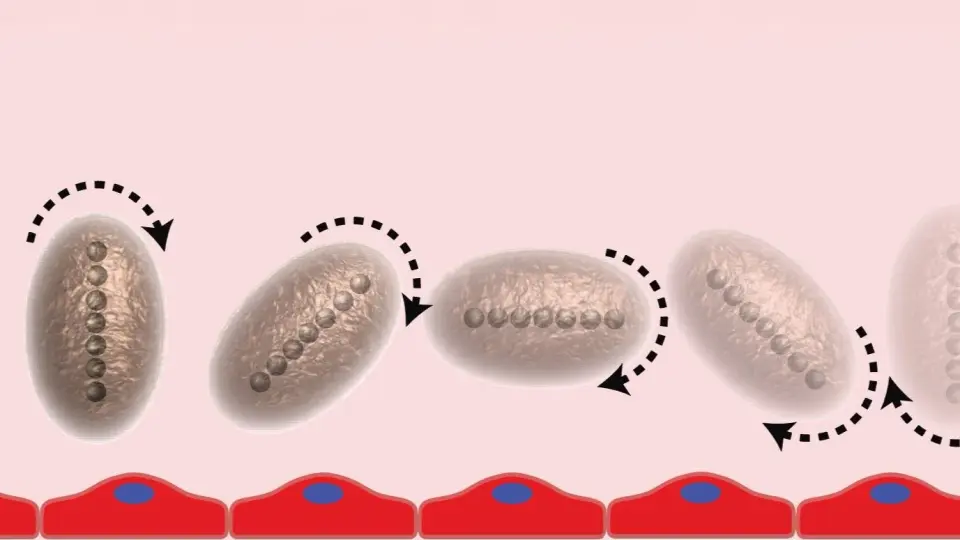
Researchers at ETH Zurich have developed magnetic microrobots that can navigate blood vessels to deliver clot-dissolving drugs more effectively. In early animal tests, these devices helped dissolve clots approximately 10 times faster than medication alone, though the technology remains in the pre-clinical stage.
Key points
- ETH Zurich researchers led by Simone Schürle created bullet-shaped microrobots with iron oxide backbones and hydrogel shells.
- External rotating magnetic fields cause the robots to tumble, creating vortices that redirect blood flow and carry drugs to blocked areas.
- Tests in silicone models and live pigs showed the robots restored blood flow over larger areas and dissolved clots 10 times faster than drugs alone.
- The design is inspired by magnetotactic bacteria that use Earth's magnetic field for navigation.
- The team is currently conducting safety studies in larger animals before seeking human trials.
Background
This development follows a broader trend in medical diagnostics and treatment involving blood-based interventions. Recent archive coverage highlights advances in blood tests for detecting early-stage breast cancer, ovarian lesions, and Alzheimer's risk, indicating a growing focus on minimally invasive, blood-centric medical solutions. While those studies focus on detection, this new microrobot technology addresses treatment delivery within the vascular system.
How outlets are covering it
Both Live Science and UA.News report on the same findings from ETH Zurich, emphasizing the 10-fold increase in clot dissolution speed and the inspiration from bacterial magnetism. Live Science provides additional detail on the patent application for the microfluidics production method and the specific mechanism of the hydrogel sheath preventing clumping. UA.News focuses more on the technical composition and the next steps for safety testing. Neither source reports on peer-reviewed publication, noting that the results are currently based on announcements and animal trials.
Why it matters
Untreated blood clots can cause fatal events like strokes and heart attacks by blocking oxygen flow to tissues. Current treatments often fail to deliver drugs to the final millimeters of blocked vessels. If successful, these microrobots could significantly improve the efficacy of existing thrombolytic treatments, potentially saving lives by restoring blood flow more rapidly and completely.
What to watch
The research team must complete safety studies in larger mammals to ensure the iron oxide and polymer components break down safely in the body. Following successful safety trials, the technology may proceed to human clinical trials. The team also aims to integrate the microrobots into existing clot-treatment procedures, controlled by targeted electromagnets.
Want the full story? Read the original reporting
Read on Live Science