Tag

Eth Zurich

All articles tagged with #eth zurich

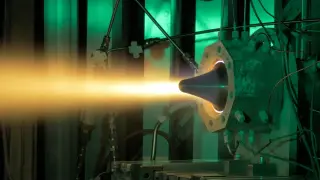
Swiss Students Test 20,000-Detonation-Per-Second Rotating Rocket Engine
future-of-space7 days ago

Swiss Students Test 20,000-Detonation-Per-Second Rotating Rocket Engine

A team of ETH Zurich students from the ARIS Pegasus project tested a rotating detonation rocket engine powered by propane and liquid oxygen, achieving stable detonation waves at up to 20,000 per second in a nighttime test at Dübendorf Air Base. The milestone underscores growing international interest in rotating detonation propulsion, which could improve fuel efficiency and payload capacity for future space missions, though it demands advanced materials and ultra-fast fuel injection. The project highlights collaborative, iterative student research and places Switzerland among a small group pursuing RDRE demonstrations.

Geometric swap gates push neutral-atom quantum computers toward scalable reality
technology14 days ago

Geometric swap gates push neutral-atom quantum computers toward scalable reality

ETH Zurich researchers have demonstrated a geometry-based swap gate for neutral-atom qubits in an optical lattice, yielding far greater resilience to laser noise and timing fluctuations. The gate achieved over 99.9% fidelity in under a millisecond across 17,000 qubit pairs and enables half-swap gates, marking a significant step toward scalable, fault-tolerant quantum computers, though practical machines still face scale and fidelity challenges ahead.

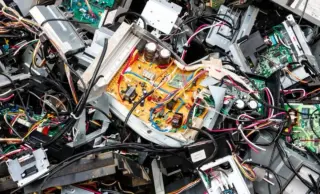
Whey-Based Sponge Extracts 22-Carat Gold from Old Computer Boards
technology1 month ago

Whey-Based Sponge Extracts 22-Carat Gold from Old Computer Boards

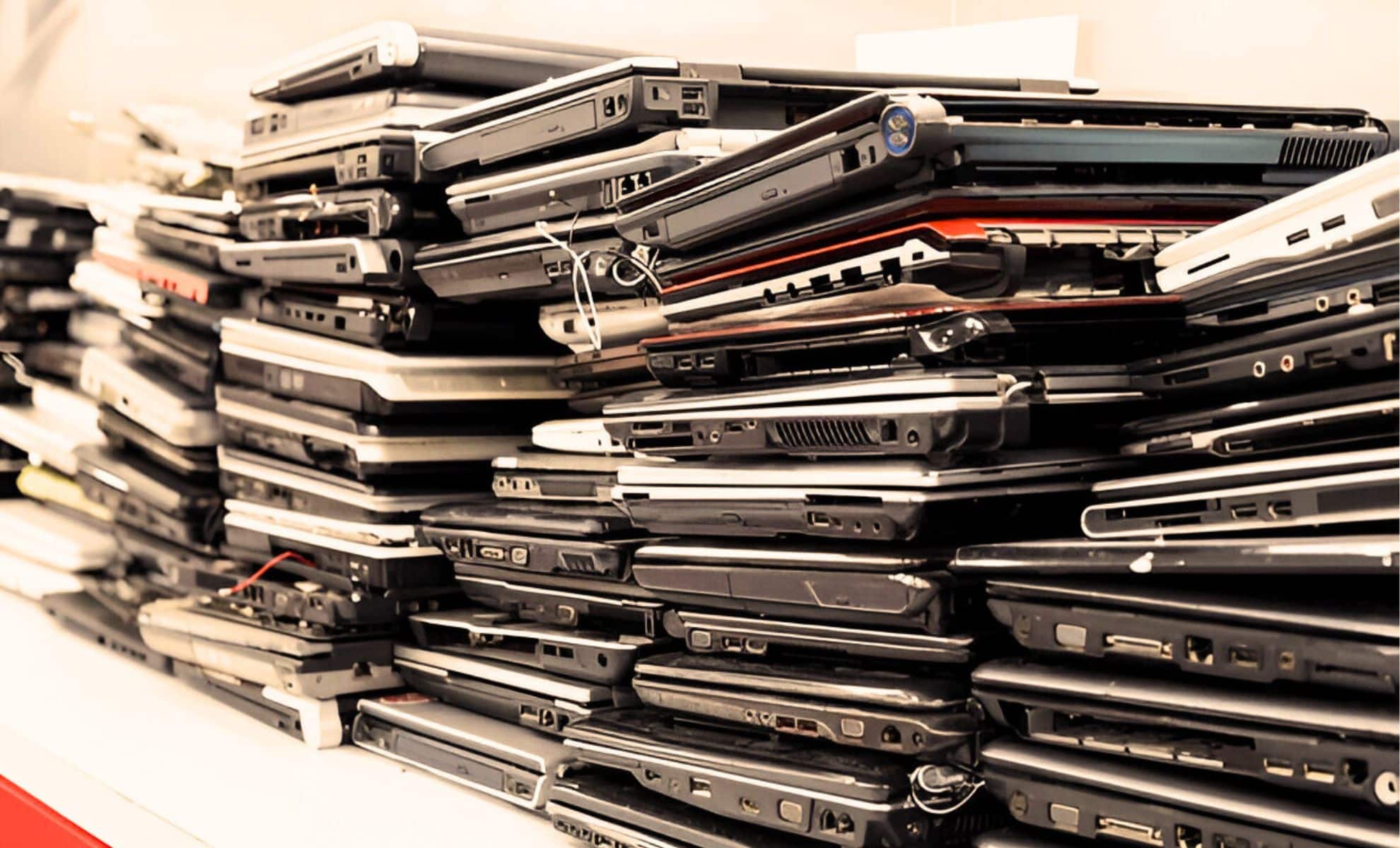
Researchers at ETH Zurich developed a whey-protein sponge that uses amyloid fibrils to selectively capture gold ions from dissolved discarded computer motherboards. After exposure, heating releases solid gold, yielding about 450 milligrams of 22-carat gold from 20 boards—without high-temperature furnaces or toxic solvents—thanks to whey, a dairy byproduct, making the process potentially scalable and cost-effective for recovering gold from electronic waste.

Security researchers find critical flaws in mainstream password managers
technology3 months ago

Security researchers find critical flaws in mainstream password managers

An ETH Zurich team tested Bitwarden, LastPass, and Dashlane under a malicious-server threat model and demonstrated 12, 7, and 6 attacks respectively, showing that passwords could be accessed or altered and that end-to-end, zero-knowledge encryption promises may not hold. They found the attacks often only required routine user actions like logging in or syncing. The researchers propose updating cryptographic standards for new customers, providing migration paths for existing users, and increasing transparency via external audits, noting that many providers still rely on outdated crypto. Consumers should favor password managers that disclose vulnerabilities, are audited, and enable end-to-end encryption by default.

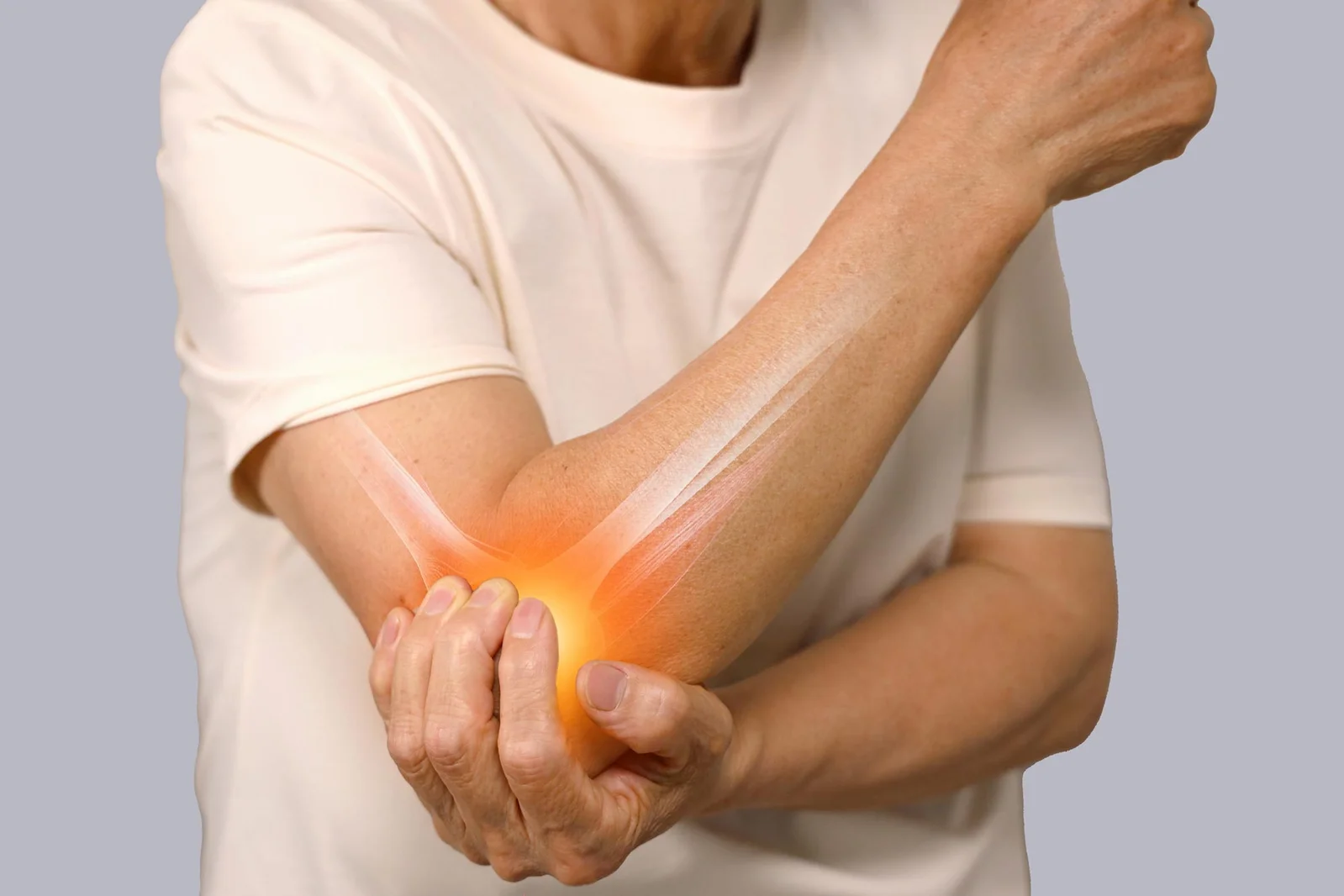
HIF1 Identified as the Molecular Trigger in Common Tendon Injuries
science4 months ago

HIF1 Identified as the Molecular Trigger in Common Tendon Injuries

ETH Zurich researchers identify the protein HIF1 as an active driver of tendinopathy, showing in mice and human tendon cells that high HIF1 remodels tendon tissue with more collagen crosslinks, brittleness, and ingrowth of blood vessels and nerves—causing pain in common overuse injuries like Achilles tendinopathy and tennis elbow. Activating HIF1 caused disease even without extra strain, while silencing it protected tendons under heavy loading, underscoring the need for early treatment and raising the possibility of tendon-specific therapies that target the HIF1 pathway rather than the whole body.

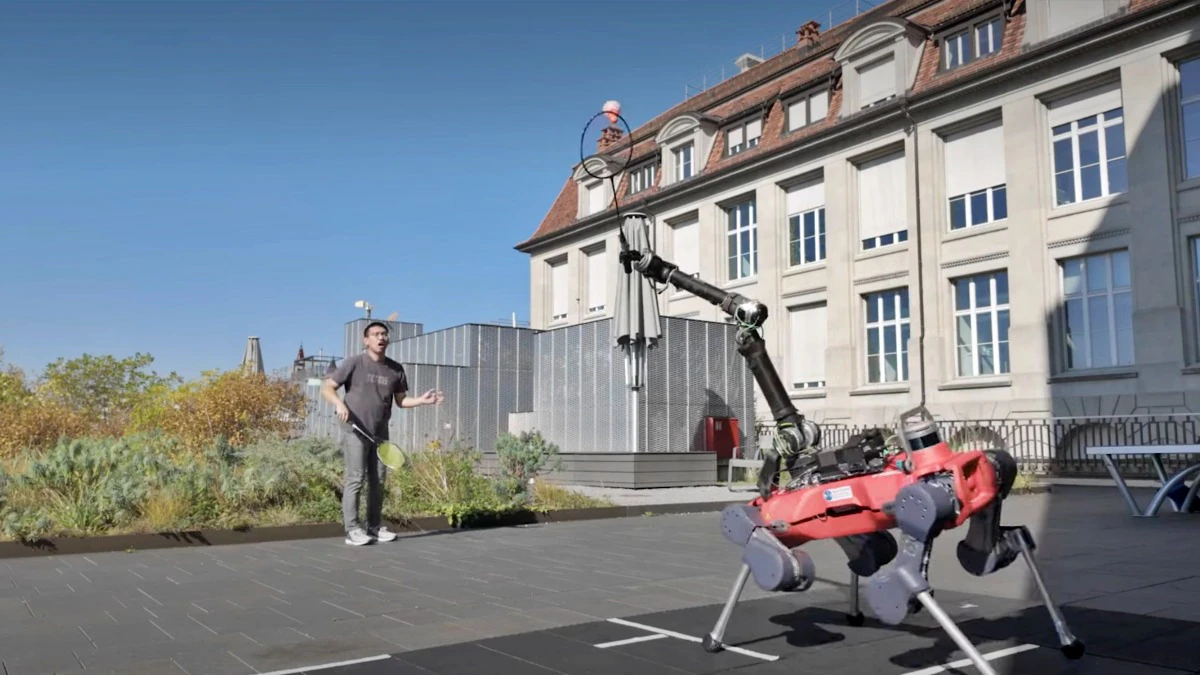
AI Robot Dog Excels in Badminton Matches
technology8 months ago

AI Robot Dog Excels in Badminton Matches

Researchers at ETH Zurich have trained the four-legged robot dog ANYmal to play badminton using AI-driven prediction models and advanced control systems, demonstrating significant progress in robotic agility and real-time physical skills with potential applications in disaster response and industrial assistance.

Breakthrough: First Mechanical Qubit Revolutionizes Quantum Computing
science1 year ago

Breakthrough: First Mechanical Qubit Revolutionizes Quantum Computing

Researchers at ETH Zurich have developed the first-ever mechanical qubit, a significant advancement in quantum computing. This mechanical qubit, created using a mechanical oscillator and a superconducting qubit, boasts a coherence time of 200 microseconds, double that of traditional superconducting qubits. Unlike virtual qubits, mechanical qubits are physical systems that do not require complex error-correcting codes, making them simpler and more durable. This innovation could help overcome major challenges in quantum computing and sensing applications.

Quantum Computing Enters Steampunk Era with First Mechanical Qubit
science1 year ago

Quantum Computing Enters Steampunk Era with First Mechanical Qubit

Physicists at ETH Zürich have developed the first fully mechanical qubit, using a piezoelectric disk on a sapphire base as a mechanical resonator, coupled with a superconducting qubit. This innovation addresses the short-lived nature of virtual qubits by providing longer coherence times, potentially improving quantum computing capabilities. The team plans to enhance these times further and test the qubits with quantum gates.

Climate Change Slows Earth's Spin, Lengthens Days
science1 year ago

Climate Change Slows Earth's Spin, Lengthens Days

Climate change is causing the melting of Greenland and Antarctic ice, redistributing Earth's mass and slowing its rotation, which lengthens days by a few milliseconds. Supported by NASA, ETH Zurich researchers found that this impact could surpass the moon's influence on Earth's rotational speed and is also shifting the Earth's axis of rotation. This highlights a greater human influence on Earth's rotational dynamics than previously recognized.

Autonomous Wheeled-Legged Robot Developed by Researchers
technology2 years ago

Autonomous Wheeled-Legged Robot Developed by Researchers

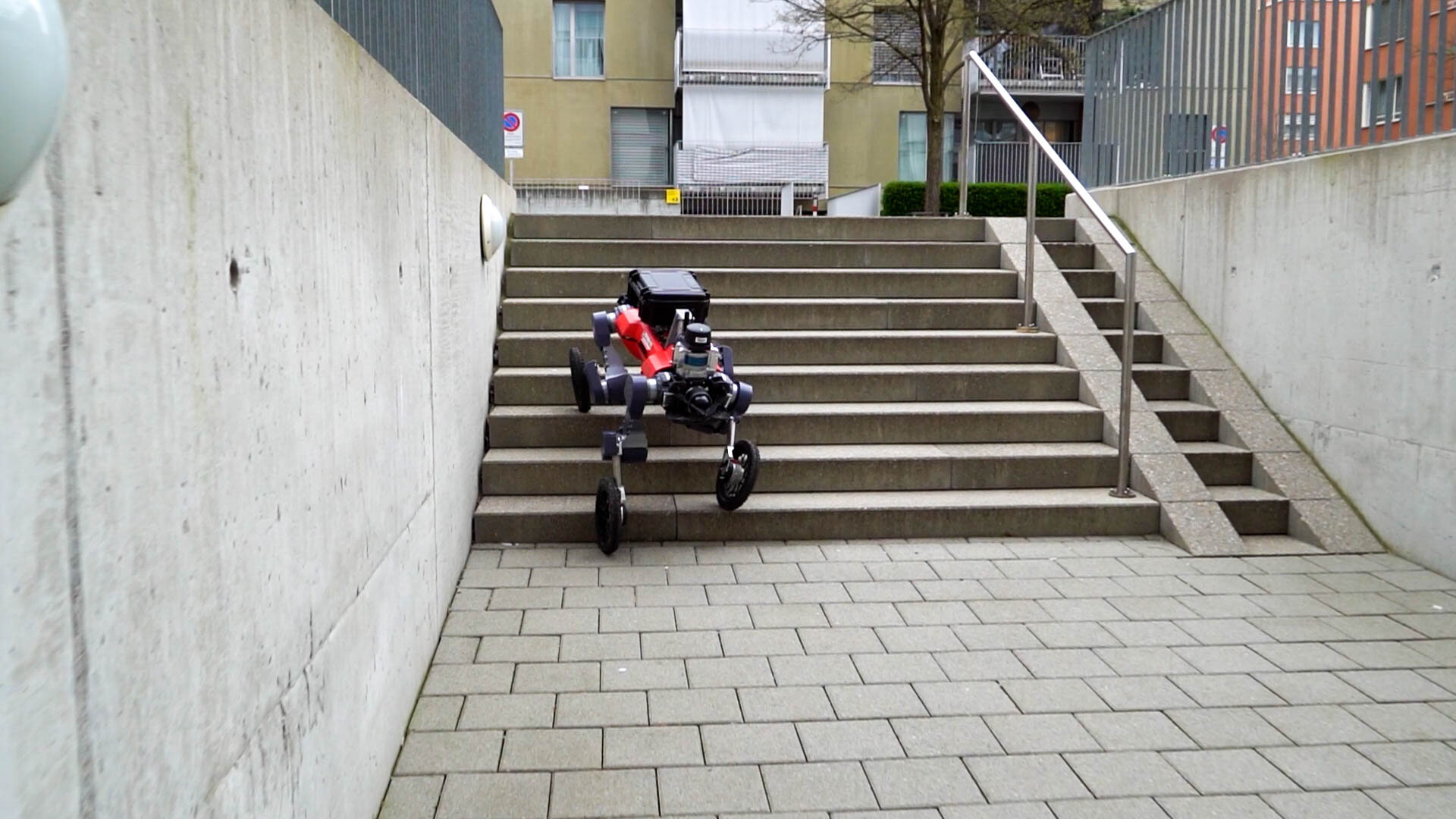
Researchers at ETH Zurich's Robotic Systems Lab have developed a wheeled-legged robot that uses advanced reinforcement learning techniques to autonomously navigate various terrains. This hybrid robot can switch between driving and walking modes, optimizing efficiency and adaptability. The system, which builds on previous research, features a neural network-based controller that processes sensory data to create real-time navigation plans, making it suitable for applications like autonomous delivery across diverse environments.

"Quantum Systems Display Unexpected Topological Reversal, Study Finds"
science2 years ago

"Quantum Systems Display Unexpected Topological Reversal, Study Finds"

Researchers at ETH Zurich have detected topological effects in an artificial solid using cold atoms, demonstrating a surprising reversal in quantum systems. By creating an artificial solid with controllable interactions, the team observed topological pumping, where particles were transported in a specific direction, and a reversal occurred when encountering an obstacle. The researchers also found that repulsive interactions between atoms created an invisible barrier, leading to further unexpected behavior. These findings could contribute to a better understanding of interacting topological systems and potentially be applied in quantum technologies, such as creating a qubit highway for quantum computers.

"3-Legged Hopping Robot: Future Asteroid Exploration"
spacetech2 years ago

"3-Legged Hopping Robot: Future Asteroid Exploration"

A group of students from ETH Zurich have developed a hopping robot called SpaceHopper, designed for space exploration of asteroids and moons. With three spindly legs and nine motors, it can jump long distances in low-gravity environments and self-right after landing. Tested in a zero gravity environment during a parabolic flight, the robot successfully demonstrated its capabilities, providing potential for advancing our understanding of life's origin, water sources, and asteroid resources.