
Warming Climate Reshapes Infectious Disease Maps, From Ticks to Antibiotic Resistance
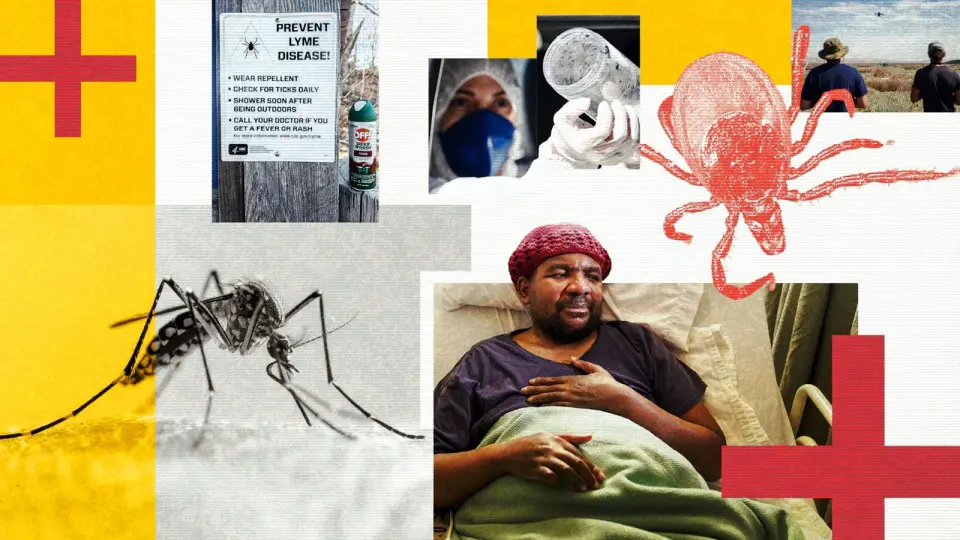
Climate change is expanding the geographic range and severity of infectious diseases, including tick-borne illnesses, mosquito-borne viruses, and antibiotic-resistant bacteria. While warming temperatures accelerate vector reproduction and pathogen transmission, drought conditions may also concentrate microbes, fostering drug resistance. Experts warn that these health risks compound with other climate stressors, such as flooding and air pollution, creating a complex public health crisis that requires proactive surveillance and community-level adaptation.
Key points
- A Caltech study found that drought conditions in soil can accelerate the evolution of antibiotic-resistant bacteria by concentrating natural antibiotics, potentially transferring resistance genes to human pathogens.
- The CDC reported record emergency department visits for tick bites in April 2026, driven by milder winters that allow ticks to survive longer and expand into northern regions.
- West Nile virus cases in the U.S. are projected to nearly triple over the next 30 years due to drought, which increases the proportion of infected birds and speeds up viral replication in mosquitoes.
- Valley fever cases in Arizona doubled between 2005 and 2022, and the disease is predicted to become endemic in several northern states as the West warms and dries.
- Flooding from extreme weather events creates habitats for mosquitoes and spreads waterborne diseases like leptospirosis, with recent hurricanes in North Carolina linked to an 11% increase in gastrointestinal illness visits.
Background
Recent archive coverage highlights a broader trend of climate-driven microbial threats. In August 2026, reports noted a northward shift in the risk of brain-eating amoeba exposure in North Carolina due to rising temperatures. Additionally, global health alarms have been raised regarding the spread of antifungal-resistant ringworm and drug-resistant Candida auris across multiple states, underscoring the growing challenge of resistant pathogens in healthcare settings.
How outlets are covering it
Live Science emphasizes the biological mechanisms of climate-driven disease, such as how drought fuels antibiotic resistance and how warming accelerates mosquito metabolism. The Federation of American Scientists broadens the scope to zoonotic diseases, arguing that human encroachment on natural habitats and economic disruptions from pandemics are critical risks, while urging individual protective behaviors and legislative action like the proposed Wildlife Health Coordination bill. Mirage News highlights a more nuanced urban perspective, noting that researchers from the University of Exeter and UK Health Security Agency urge a balance between the public health benefits of urban green spaces and the potential increased risk of vector-borne diseases in these areas. While Live Science focuses on specific U.S. data points like Lyme disease and West Nile, the Federation of American Scientists stresses global economic impacts and the need for systemic resilience, whereas Mirage News points to the complex decision-making required in urban planning to mitigate disease risk without sacrificing environmental benefits.
Why it matters
The convergence of climate change and infectious disease poses a multi-layered threat to public health. As vectors expand their ranges and pathogens evolve resistance, healthcare systems face increased burdens from both new and resurgent diseases. The compounding effects of flooding, drought, and air pollution create a 'perfect storm' for disease transmission, potentially overwhelming local health infrastructure. Proactive surveillance, community-level interventions, and policy adjustments are essential to mitigate these risks and protect vulnerable populations from the escalating health impacts of a warming planet.
What to watch
Public health officials and researchers are expected to intensify surveillance for vector-borne diseases in newly affected regions, particularly in northern U.S. states and urban areas. Legislative efforts, such as the proposed Wildlife Health Coordination and Zoonotic Disease Program, may gain traction to improve inter-agency cooperation. Community-based initiatives, like local mosquito control task forces, are likely to expand as a cost-effective alternative to traditional government-led interventions. Additionally, ongoing research into the link between drought and antibiotic resistance will inform future strategies for managing drug-resistant infections in a changing climate.
- Infectious diseases will seed new ground as the planet warms — here's where they'll spread Live Science
- When the Climate Shifts, So Do the Pathogens (And So Should We) Federation of American Scientists
- A multidisciplinary group of researchers from the University of Exeter and the UK Health Security Agency encourage consideration of potential interactions between urban green spaces, vector-borne diseases, and climate change EurekAlert!
- Climate change and disease risk: How the EU is responding Open Access Government
- Researchers Urge Study on Green Spaces, Disease, Climate Mirage News
Want the full story? Read the original reporting
Read on Live Science