A new study in The Lancet Oncology estimates that infections caused 2.3 million new cancer cases worldwide in 2024, accounting for 12% of all diagnoses. Five pathogens—Helicobacter pylori, HPV, hepatitis B, Epstein-Barr virus, and hepatitis C—account for nearly all infection-related cancers. Experts emphasize that these cases are largely preventable through vaccination, screening, and treatment, though access remains uneven, with 75% of cases occurring in low- and middle-income countries.
The US has recorded over 3,600 measles cases in 2026, the highest annual total since 1991, forcing hospitals to implement strict isolation measures. Pennsylvania and South Carolina are experiencing significant outbreaks, with healthcare systems adopting negative-pressure rooms, remote monitoring, and pre-arrival screening to prevent transmission. Public health officials attribute the resurgence to declining vaccination rates and vaccine hesitancy, noting that measles is far more contagious than COVID-19. While some regions maintain high vaccination rates, pockets of unvaccinated populations are driving local clusters, leading to increased hospitalizations and deaths.
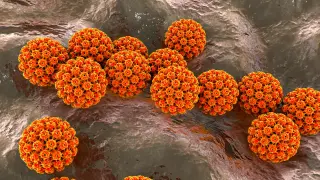
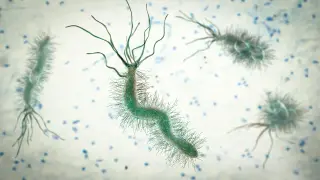
A new analysis by the International Agency for Research on Cancer (IARC) reveals that infections caused approximately 2.3 million new cancer cases worldwide in 2024, representing 12% of all diagnoses. Helicobacter pylori and human papillomavirus (HPV) are the leading contributors, each responsible for about 4% of cases. While the burden is disproportionately high in low- and middle-income countries, experts emphasize that these cancers are largely preventable through vaccination, screening, and treatment. The study highlights the critical role of infection control in reducing the global cancer burden, noting that many cases could be avoided with existing preventive measures.
A study in The Lancet Oncology estimates that infections caused 2.3 million new cancer cases worldwide in 2024, representing 12% of all diagnoses. Helicobacter pylori and HPV were the leading causes, each responsible for 4% of cases. While vaccines and treatments exist for many of these pathogens, access remains uneven, with 75% of cases occurring in low- and middle-income countries.
A new study in The Lancet Oncology estimates that infections caused 2.3 million new cancer cases worldwide in 2024, accounting for 12% of all diagnoses. Five pathogens—Helicobacter pylori, HPV, hepatitis B, Epstein-Barr virus, and hepatitis C—are responsible for nearly all infection-linked cancers. While many of these cancers are preventable through vaccines and treatments, access remains unequal, with 75% of cases occurring in low- and middle-income countries.
The piece notes that even though the overall impact of COVID-19 has diminished since the early pandemic years, the virus can still cause serious illness, so many experts recommend getting a fall vaccine booster. With guidance that has sometimes been confusing, the article aims to clarify who should consider a booster and how to navigate vaccination decisions for this fall.
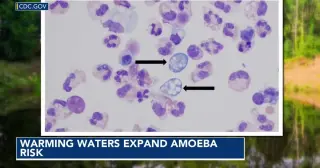
State health officials say a water feature at Durham's El Futuro is the most likely exposure source in a teen's Naegleria fowleri infection and death; exposure location cannot be definitively confirmed, but investigators point to the clinic's outdoor green space and the feature has been closed for CDC testing. Naegleria fowleri lives in warm freshwater and can cause deadly brain infections, with 167 U.S. infections reported from 1962-2024.
A North Carolina teenager died after contracting Naegleria fowleri, a rare brain-eating amoeba found in warm freshwater; the death follows the August death of an 8-year-old Louisiana girl from the same infection. Health officials say infections are extremely rare (fewer than 10 US cases per year) and almost always fatal, with 167 US cases recorded from 1962–2024 and only four survivors. The NC DHHS is coordinating with the CDC to investigate possible sources. Preventive steps include keeping water out of the nose when swimming, avoiding head submersion, and using distilled or boiled water for nasal rinsing.
After last year’s unpredictable flu surge, experts hope for a milder fall and winter this year. Early signals from Australia show moderate flu activity and vaccines appear well matched to circulating strains, which boosts optimism, but scientists caution that the Northern Hemisphere still faces uncertainty as the season unfolds.
Rising temperatures are linked to a northward shift and longer potential season for exposure to the brain‑eating amoeba Naegleria fowleri, highlighted by a central North Carolina teenager in critical condition. A 2021 CDC study found exposures moving north over four decades, though overall cases remain extremely rare and no nationwide increase is detected. Officials stress prevention (nose clips, keeping the head above water, avoiding disturbed sediment) and sustained surveillance as climate warming could broaden where and when PAM risk exists.
Maine’s CDC confirms a fourth Powassan virus case in 2026, the second in Penobscot County (with additional cases in Lincoln and York counties), highlighting the state’s ongoing tick-borne illness risk. Powassan is a rare but potentially deadly brain infection transmitted quickly by deer ticks, with about 10% of severe cases resulting in death. Maine has seen multiple cases and deaths since 2015, including a 2024 fatality, while nationwide cases typically total 20–50 annually (2018–2023).
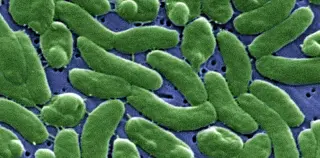
Vibrio vulnificus, a flesh‑eating bacterium that thrives in warm seawater, is spreading as ocean temperatures rise, increasing infections in the U.S. and Europe. In the U.S., cases have been reported in Louisiana (9 cases, 5 deaths), Florida (14 cases, 2 deaths), and Maryland (72 cases as of late June), with the bacterium also spreading into new coastal areas due to warming waters. Infections typically occur when people with open wounds are in warm or brackish water or when handling/consuming raw shellfish; symptoms can progress rapidly to severe tissue damage (necrotizing fasciitis) and even death if not treated promptly. Treatments involve urgent IV antibiotics and sometimes surgical removal of infected tissue, and there are growing concerns about antibiotic resistance. Climate change is driving this spread and amplifying exposure via stronger storms. CDC guidance to reduce risk includes keeping wounds out of water, covering fresh wounds with waterproof bandages, avoiding handling raw seafood when wounds are present, and washing any wounds promptly after water exposure. The infection remains rare but potentially deadly, underscoring the importance of awareness and quick medical care.
Fewer mosquitoes are being seen in much of the Western and Midwest U.S.—down about 50% this year, with some states reporting up to 70% fewer—thanks to a historic drought linked to climate change. But West Nile virus is hitting the U.S. with a 22-year high, with around 143 cases and five deaths so far, as drought concentrates mosquitoes and birds around shrinking water sources, increasing transmission risk; scientists warn populations can rebound as conditions shift and emphasize ongoing surveillance and control measures.
Even as mosquito numbers fall in some Western and Midwestern states due to ongoing drought, West Nile virus cases in the U.S. have reached a 22-year high. Scientists say shrinking water sources concentrate mosquitoes and birds, boosting transmission, with Arizona, Colorado and Utah reporting notable deaths and dozens of cases this year. The situation underscores how climate-driven drought and changing rainfall patterns can alter mosquito populations and disease risk, meaning the virus remains a significant public-health concern even when overall mosquito counts dip.