
Experts urge women over 50 to prioritize heavy lifting to counter muscle loss
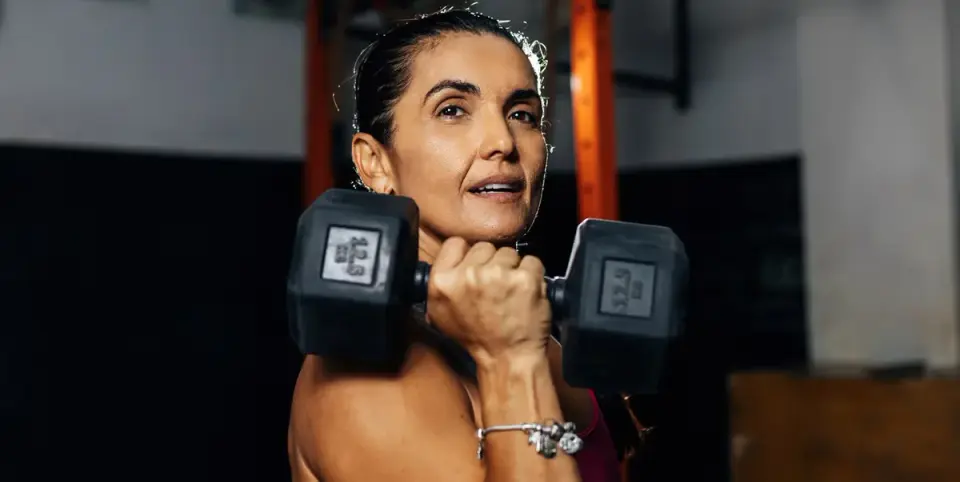
Dr. Vonda Wright recommends a '4x4' formula of heavy lifting for women over 50 to replace the anabolic stimulus lost during menopause. Other experts emphasize that consistent, progressive resistance training is crucial for maintaining independence, metabolic health, and bone density as muscle loss accelerates with age.
Key points
- Dr. Vonda Wright advises women over 50 to lift heavy weights four times per week, performing four sets of four reps to build power and counteract the decline in oestrogen.
- The '4x4' method aims to provide the mechanical stimulus needed to build muscle, which lighter weights and higher repetitions may not achieve effectively for power generation.
- Muscle loss, or sarcopenia, begins in the mid-30s and accelerates after 60, leading to a 3-8% loss of total muscle mass per decade if unaddressed.
- Maintaining muscle mass is critical for insulin sensitivity, bone density, and fall prevention, directly impacting long-term independence and quality of life.
- Experts agree that it is never too late to start strength training, with even two 30-minute sessions per week yielding significant health benefits for older adults.
Background
Previous coverage in August 2026 highlighted that resistance training is a key strategy to combat sarcopenia, with earlier advice suggesting three days a week of moderate-intensity lifting. Recent discussions also noted that while metabolic rate remains stable until age 60, the loss of metabolically active muscle tissue is the primary driver of slowed metabolism in older adults.
How outlets are covering it
While Dr. Vonda Wright (Women's Health) emphasizes high-intensity, low-rep lifting specifically to replace hormonal signals lost during menopause, Ollie Thompson (Cambridge Independent) focuses on functional movements and consistency, suggesting that even two 30-minute sessions per week are sufficient for most people. Gretchen Reynolds (The Washington Post) highlights the rapid loss of muscle power starting in the 40s, reinforcing the urgency of intervention. All sources agree that progressive overload is essential, but Wright's approach is more specific regarding rep ranges for women, whereas Thompson and Reynolds offer broader, more accessible guidelines for general populations.
Why it matters
As populations age, the economic and social costs of frailty and chronic disease rise. Strength training is a low-cost, high-impact intervention that can reduce the risk of falls, fractures, and type 2 diabetes. By understanding that muscle loss is not an inevitable part of aging but a result of inactivity and hormonal changes, older adults can take proactive steps to maintain their autonomy and healthspan.
What to watch
Health organizations are likely to continue promoting strength training as a primary preventive measure for aging populations. Future research may further refine the optimal rep and set ranges for different age groups and hormonal statuses. Individuals are encouraged to consult with healthcare providers or certified trainers to design safe, progressive strength programs tailored to their specific health needs and fitness levels.
- Women over 50 should lift heavier, says Dr Vonda Wright – here's her 4x4 formula to age with strength Women's Health
- Column | The muscle ability you lose fastest with age — and how to preserve it The Washington Post
- The Body Changes That Surprise Most People When They Start Weightlifting After 50 Prevention
- Ollie Thompson: Why strength training matters more as you get older Cambridge Independent
- Strengthening muscle for healthy ageing: innovative treatments for sarcopenia Nature
Want the full story? Read the original reporting
Read on Women's Health