Tag

Muscle Preservation

All articles tagged with #muscle preservation

HIIT Emerges as the Best Fat-Loss, Muscle-Preservation Strategy for Seniors
health10 days ago

HIIT Emerges as the Best Fat-Loss, Muscle-Preservation Strategy for Seniors

A six‑month study of adults aged 65–85 found high‑intensity interval training (HIIT) reduced body fat while largely preserving muscle, outperforming moderate‑intensity workouts. While HIIT offers notable benefits for healthy aging, it isn’t suitable for everyone and should be pursued with safety and medical guidance, with moderate exercise still providing advantages for many seniors.

Biotech Aims to Slim Fat Without Slashing Muscle
health20 days ago

Biotech Aims to Slim Fat Without Slashing Muscle

A wave of weight-loss drugs seeks to burn fat while preserving or boosting lean muscle, addressing the muscle loss seen with current GLP-1 therapies. Beyond reusing older drugs like bimagrumab, new combos (e.g., CagriSema) and Cambrian Biotech’s ATX-304 show early promise in raising metabolic rate and cutting visceral fat, though findings are preliminary and regulatory or payer hurdles remain. If proven, these approaches could enable body recomposition across broader age groups.

ACE Chief Urges Older GLP-1 Users to Protect Muscle and Mobility
weight-loss1 month ago

ACE Chief Urges Older GLP-1 Users to Protect Muscle and Mobility

ACE CEO Cedric X. Bryant says older adults using GLP-1 weight-loss meds should prioritize preserving strength, physical function and lean mass through regular resistance training (2-3 days/week; six-to-ten exercises; 1-3 sets; 8-15 reps) and adequate protein (roughly 1.2-1.6 g/kg/day), with targets tailored by age and health; programming should be individualized and safety-conscious, especially for those in their 70s and beyond.

Six essential moves to protect muscle and bone on GLP-1 weight-loss meds
health2 months ago

Six essential moves to protect muscle and bone on GLP-1 weight-loss meds

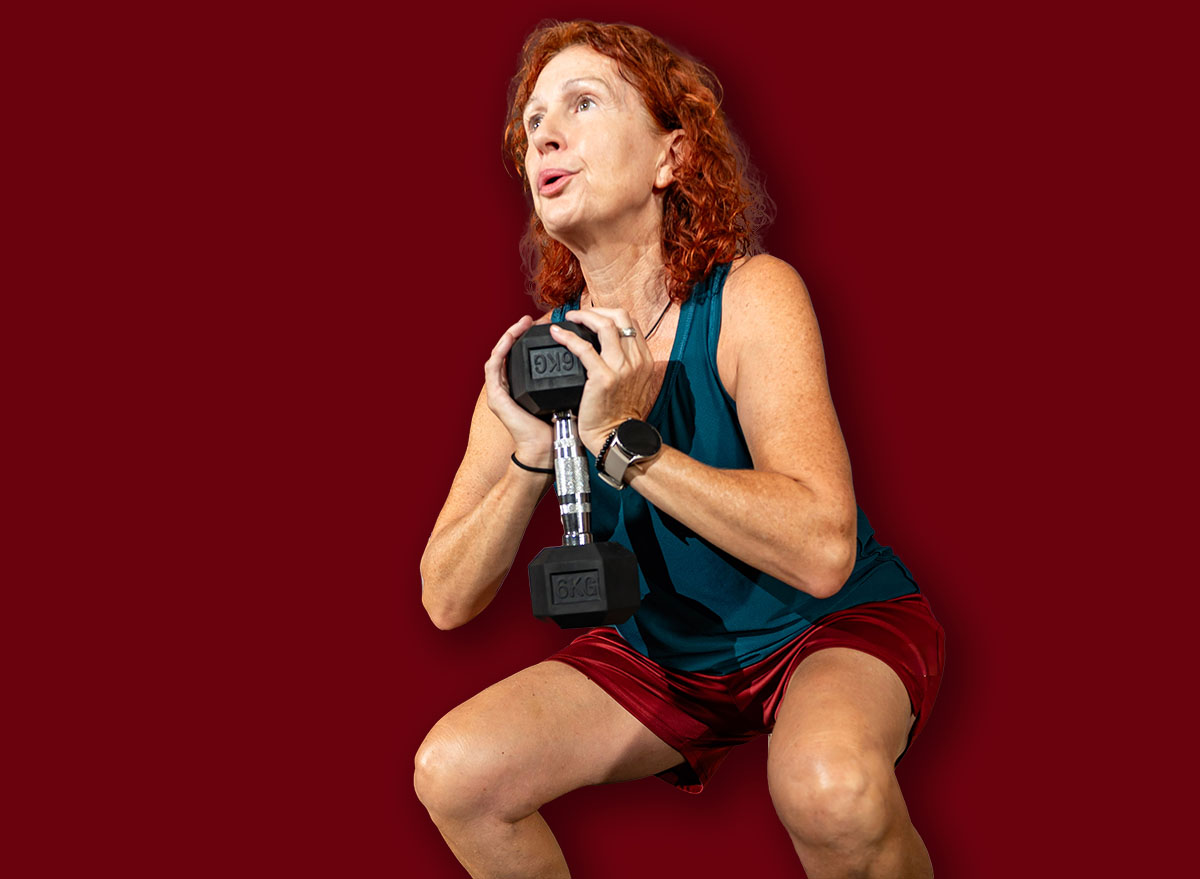
Glp-1 weight-loss meds can raise the risk of muscle and bone loss, so experts recommend a focused six-move home routine to preserve strength: goblet squat to chair, dumbbell Romanian deadlift, push-ups from the knees, seated resistance-band row, suitcase carry, and Pallof press. Perform 2–3 sets of roughly 6–12 reps for most moves (suitcase carry is about 1 minute per side). The workout can fit into a 50–60 minute weekly strength plan and should be undertaken with guidance from a physical therapist if starting fresh to ensure safe, effective practice.

Exercise During Weight Loss Preserves and Rejuvenates Muscles
health-and-fitness8 months ago

Exercise During Weight Loss Preserves and Rejuvenates Muscles

Research shows that exercising during weight loss can positively affect muscle health, increasing mitochondrial proteins and reducing aging-related collagen, suggesting muscles may stay 'younger' and more efficient even under calorie restriction, especially in young men. This highlights the importance of exercise for muscle preservation and healthy aging during weight loss efforts.

New Treatments Emerge for Diabetes and Weight Loss Without Muscle Loss
health1 year ago

New Treatments Emerge for Diabetes and Weight Loss Without Muscle Loss

Swedish researchers have developed an oral drug that aids weight loss and manages type 2 diabetes by enhancing skeletal muscle metabolism, potentially avoiding muscle loss associated with current GLP-1 drugs like Ozempic. Initial phase 1 trials show good tolerance and minimal side effects, paving the way for further studies to confirm its efficacy and safety.

The Surprising Health Benefits of Creatine for Women and Beyond
health-and-wellness1 year ago

The Surprising Health Benefits of Creatine for Women and Beyond

A recent review highlights five health benefits of creatine for women, including improved sleep, mood, muscle preservation during perimenopause, reduced brain fog, and cellular hydration, emphasizing its potential as a valuable supplement across different life stages. However, more research is needed, and consulting a healthcare professional is advised before use.

"Heavy Weightlifting in Retirement Boosts Long-Term Mobility, Study Finds"
health2 years ago

"Heavy Weightlifting in Retirement Boosts Long-Term Mobility, Study Finds"

A new study from Umea University in Sweden found that one year of heavy strength training in people of retirement age can preserve vital leg strength for at least four years, helping maintain mobility and independence. Researchers observed that heavy weightlifting thrice weekly was more effective than moderate intensity training or maintaining usual physical activity levels. The study suggests that doctors should encourage seniors to engage in heavy resistance training for long-term muscle function benefits.