
Four Home-Based Moves Target Ankle Stability for Adults Over 60
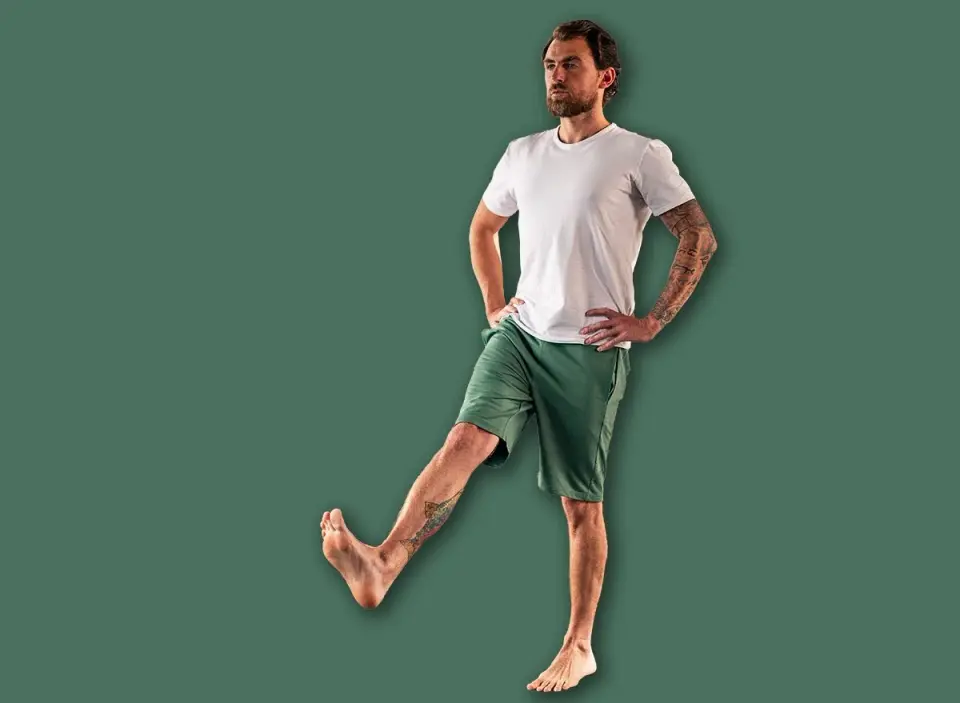
Terry Tateossian, a certified lifestyle medicine coach, argues that ankle stability is the primary defense against falls in adults over 60. She recommends four daily exercises—heel raises, toe raises, single-leg balance holds, and ankle alphabets—to counteract muscle atrophy and improve proprioception. These movements target specific muscles like the tibialis anterior and calf group, which are critical for maintaining balance and preventing tripping hazards.
Key points
- Terry Tateossian identifies the ankle as the 'front line' of the body's balance system, noting that micro-adjustments in the foot and lower leg occur before larger hip muscles engage to prevent falls.
- Reduced ankle stability leads to decreased foot clearance, poor lateral stability, shortened gait, and compromised balance on stairs, all of which increase fall risk for older adults.
- Heel raises with counter support are recommended to strengthen the calf muscles, which Tateossian notes are the fastest to atrophy after age 60; the protocol involves 3 sets of 15-20 reps with a 3010 tempo.
- Toe raises are highlighted as highly underrated exercises that train the tibialis anterior, helping prevent foot drop and tripping on curbs or carpets; the routine consists of 3 sets of 15-20 reps.
- Single-leg balance holds train proprioception, the sense of body position in space, to prevent falls, which are the most common injury for people over 60; the exercise involves holding a balance for 15-30 seconds per side.
- Ankle alphabets, performed by drawing letters in the air with the big toe while seated, move the ankle through its full range of motion to prevent sideways rolls, a serious cause of ankle injuries in older adults.
Background
Recent coverage has emphasized the importance of short, consistent routines for maintaining mobility in older adults. A June 2026 article detailed a four-minute daily routine that improved balance in adults over 65, while another July 2026 piece focused on grip strength and joint health through at-home moves. Additionally, earlier discussions on running mechanics highlighted the role of calf strength and ankle stiffness in efficient movement, reinforcing the broader theme that lower-body stability is crucial for active aging.
Why it matters
Falls are the leading cause of injury for adults over 60, often resulting from a loss of balance rather than direct trauma. By focusing on ankle strength and proprioception, individuals can address the root causes of instability before larger muscle groups fail. These simple, equipment-free exercises offer a practical way to maintain independence and reduce the risk of serious injuries associated with tripping or rolling ankles.
What to watch
Individuals over 60 are encouraged to incorporate these four exercises into their daily routines to maintain ankle stability. Consistency is key, as regular practice of heel raises, toe raises, balance holds, and ankle alphabets can help counteract age-related muscle atrophy and improve overall balance. Monitoring progress in stability and reducing fall risks should be the primary goal for those adopting this regimen.
Want the full story? Read the original reporting
Read on Eat This Not That