Ankle injuries are frequent but often neglected in fitness routines. Experts advise strengthening ankles through balance exercises, calf raises, and proper footwear to prevent sprains and falls, especially as people age.
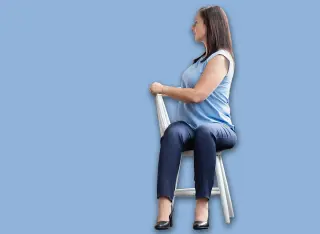
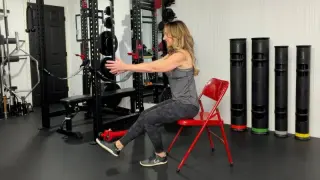
Jennifer Grehan, a Pilates instructor and founder of The Core Collab, recommends five specific chair-based exercises to help women over 70 improve balance and prevent falls. The routine includes sit-to-stands, tall marches, ankle rocks, hover holds, and shoulder turns. Grehan emphasizes that using a stable chair against a wall reduces fear of falling, allowing users to build strength safely. She advises checking with a healthcare provider if experiencing dizziness, osteoporosis, or taking blood pressure medication. A baseline test involves counting how many times one can stand in 30 seconds; fewer than 10 repetitions for ages 70 to 74 indicates a need for targeted strength work.
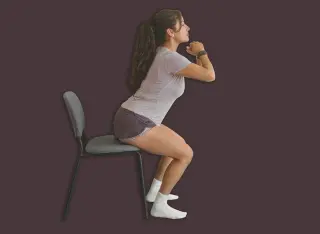
Squats serve as a critical indicator of functional independence and fall risk, with benchmarks varying by age and gender. While older adults may struggle with full bodyweight squats, modified versions like chair squats are recommended to maintain lower-body strength. Consistent strength training, including upper-body exercises, is essential to counteract age-related muscle loss and preserve daily mobility.
A certified personal trainer recommends four specific standing exercises to restore calf strength in adults over 65, arguing that these targeted movements are more effective for muscle building than treadmill walking. The routine focuses on controlled, slow repetitions to enhance balance and prevent falls, which are common risks for older adults with weak lower legs.
Aging causes natural muscle loss, known as sarcopenia, which increases fall risks for older adults. Regular strength training can counteract this decline. Experts recommend five specific daily leg exercises for women over 70 to maintain independence and functional mobility.
As women approach 65, natural muscle decline accelerates, threatening independence and bone density. To counter this, certified trainer Bruno Pontes recommends five daily exercises targeting major muscle groups, balance, and functional strength. These include sit-to-stands for leg power, wall pushups for upper-body stability, calf raises for mobility, standing hip extensions for posture, and standing marches for coordination. Consistent performance of these movements helps preserve muscle mass, reduce fall risks, and support daily activities like climbing stairs and getting up from chairs.
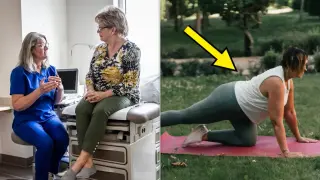
Physical rehabilitation specialists increasingly assess gluteal muscle function to predict fall risk in adults over 65. Simple tests like the 30-second chair stand, floor rise, and single-leg balance reveal declines in strength and balance that often precede falls. More than one in four Americans over 65 falls annually, with fewer than half reporting it to a doctor. Experts emphasize that glute strength is critical for independence and can be improved through training at any age.
Medical experts emphasize that simple, at-home physical tests can reveal how well individuals are aging. A 10-second one-foot balance test assesses coordination and fall risk, while a 30-second sit-to-stand test measures lower-body power and functional independence. Although these metrics are not definitive predictors of lifespan, they serve as actionable indicators for maintaining mobility and preventing frailty in older adults.
A new study from Penn State College of Medicine shows that a four-minute daily strength routine can significantly improve mobility and balance in adults over 65. Published in PLOS One, the research indicates that brief, consistent resistance training may be sufficient to maintain physical independence, challenging the belief that older adults need lengthy workouts to see results.
Basic movements like standing from a chair or rising from the floor are critical indicators of health, longevity, and fall risk. Experts emphasize that these actions test strength, balance, and coordination, with poor performance linked to higher mortality rates. Training these skills through progressive exercises can maintain independence and reduce injury risk across all age groups.
Healthcare researcher Neal Shah identifies six key indicators of longevity for adults over 60: brisk walking speed, grip strength, the ability to stand from a seated position without using hands, single-leg balance, social connectivity, and consistent daily movement. While these markers highlight current health, Shah emphasizes that all are modifiable through targeted exercises and lifestyle adjustments, regardless of age.
Falls are the leading cause of injury death for adults over 65, but risks can be mitigated through exercise, home safety adjustments, and medication reviews. While aging increases vulnerability, proactive measures significantly reduce the likelihood of serious injury.
A Houston podiatrist advises adults over 65 to perform five specific ankle-focused exercises daily to improve balance and prevent falls. These moves, which require minimal equipment, target stability issues that often arise with age. The routine includes heel raises, single-leg stands, toe lifts, ankle alphabets, and resistance band inversions. Consistent practice aims to rebuild ankle stability and alleviate common age-related complications without the need for specialized gear like balance boards.
A new guide from Eat This Not That outlines five chair-based exercises designed to improve balance for adults over 65. The routine, developed with input from balanced body educator Portia Page, emphasizes safety and gradual progression to reduce fear of falling. Key movements include sit-to-stands, seated marching, heel-to-toe raises, weight shifts, and supported single-leg stands. These exercises target strength, coordination, and proprioception without requiring specialized equipment, offering a practical alternative to yoga for those with mobility concerns.
Waking up twice or more at night to urinate, known as nocturia, affects roughly half of adults over 50 and may indicate underlying health issues rather than just aging. Experts advise monitoring frequency and consulting a physician if patterns change, as it can signal conditions like diabetes, sleep apnea, or an enlarged prostate.