Ankle injuries are frequent but often neglected in fitness routines. Experts advise strengthening ankles through balance exercises, calf raises, and proper footwear to prevent sprains and falls, especially as people age.
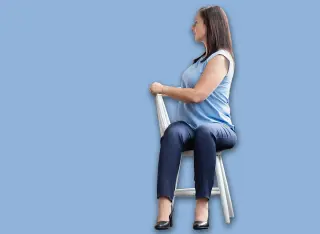
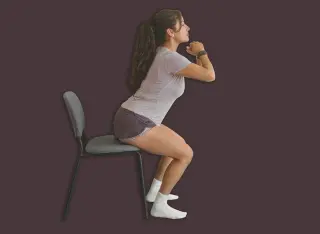
Jennifer Grehan, a Pilates instructor and founder of The Core Collab, recommends five specific chair-based exercises to help women over 70 improve balance and prevent falls. The routine includes sit-to-stands, tall marches, ankle rocks, hover holds, and shoulder turns. Grehan emphasizes that using a stable chair against a wall reduces fear of falling, allowing users to build strength safely. She advises checking with a healthcare provider if experiencing dizziness, osteoporosis, or taking blood pressure medication. A baseline test involves counting how many times one can stand in 30 seconds; fewer than 10 repetitions for ages 70 to 74 indicates a need for targeted strength work.
A new guide from Eat This Not That outlines four standing exercises designed to help adults over 70 build muscle definition and maintain independence. The routine, endorsed by fitness professionals, focuses on goblet squats, standing band rows, dumbbell shoulder presses, and calf raises. Experts emphasize that these movements combine strength training with balance and coordination, offering a safer alternative to gym classes for older adults seeking to prevent falls and preserve daily function.
Fitness professionals emphasize that core strength is foundational for daily mobility in older adults, but they recommend different exercise styles based on individual capability. One expert focuses on low-impact, functional movements for those over 70, while another promotes dynamic bodyweight exercises for general stability. Both agree that consulting a physician before starting a new routine is essential.
NASM-certified trainer Rosie Borchert advises adults over 70 to use kitchen counters for four specific exercises to improve core stability and balance. The routine includes incline planks, assisted squats, standing side knee lifts, and an isometric brace performed during daily chores. These movements prioritize control and mind-muscle connection over speed, offering a low-impact alternative to traditional floor-based workouts for those with limited mobility.
A certified personal trainer recommends four specific standing exercises to restore calf strength in adults over 65, arguing that these targeted movements are more effective for muscle building than treadmill walking. The routine focuses on controlled, slow repetitions to enhance balance and prevent falls, which are common risks for older adults with weak lower legs.
A Houston podiatrist advises adults over 65 to perform five specific ankle-focused exercises daily to improve balance and prevent falls. These moves, which require minimal equipment, target stability issues that often arise with age. The routine includes heel raises, single-leg stands, toe lifts, ankle alphabets, and resistance band inversions. Consistent practice aims to rebuild ankle stability and alleviate common age-related complications without the need for specialized gear like balance boards.
A new guide from Eat This Not That outlines five chair-based exercises designed to improve balance for adults over 65. The routine, developed with input from balanced body educator Portia Page, emphasizes safety and gradual progression to reduce fear of falling. Key movements include sit-to-stands, seated marching, heel-to-toe raises, weight shifts, and supported single-leg stands. These exercises target strength, coordination, and proprioception without requiring specialized equipment, offering a practical alternative to yoga for those with mobility concerns.
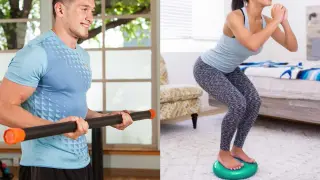
HuffPost Shopping highlights eight expert-recommended products to help older adults maintain stability and prevent falls. The list includes balance pads, inflatable discs, and weighted bars for muscle training, as well as zero-drop shoes to improve proprioception. Home safety items like suction grab bars and motion-sensor night lights are also featured to reduce fall risks in domestic environments.
A new study published in JAMA Network Open indicates that simple, under-one-minute fitness tests can predict mortality risk in older adults. Researchers found that higher performance on balance and agility assessments was associated with a significantly lower risk of death compared to lower performance. The findings suggest that maintaining functional mobility, rather than just exercise frequency, is a key indicator of healthy aging.
A large observational study in Taiwan found that older adults who performed best on simple balance and agility tests had up to 59% lower mortality risk over seven years. The research suggests that functional fitness, rather than just exercise frequency, is a key predictor of longevity.
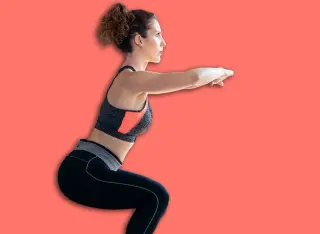
A recent article from Eat This Not That highlights five simple morning exercises recommended by Club Pilates Master Instructor Cara Bonney to improve balance in adults over 65. The routine includes heel raises, toe raises, bodyweight squats, single-leg stands, and side leg lifts. These movements are designed to strengthen lower-body muscles and stabilize the core, potentially offering benefits comparable to or exceeding those of tai chi. The article notes that poor balance is a significant risk factor for falls, which hospitalize approximately 1 million older adults annually in the U.S. according to the CDC. While the primary source provides detailed instructions for these home-based exercises, a secondary source from ScienceBlog.com returned a 410 error indicating the article was withdrawn, leaving no additional comparative data from that outlet.
A new expert-led routine suggests that five specific morning leg exercises are more effective than traditional lunges for improving balance in adults over 65. Developed with input from a chiropractor and corrective exercise specialist, the regimen targets dynamic stability, core engagement, and ankle strength to reduce fall risks associated with aging.
Experts advise adults over 60 to prioritize dynamic balance exercises over static lunges to prevent falls. Tom's Guide highlights three key movements, while Eat This recommends five morning routines focusing on core stability and ankle strength. These exercises address age-related muscle loss and reaction time changes, offering safer alternatives to high-risk movements.
A physical therapist confirms that a $21 inflatable balancing disc can improve proprioception and core strength for older adults, provided users have baseline stability. The tool is recommended as an adjunct to other exercises, not a primary solution for severe balance issues.