
84-Day Trial Shows High-Fiber Diet Outperforms Metformin for Blood Sugar and Weight in Diabesity
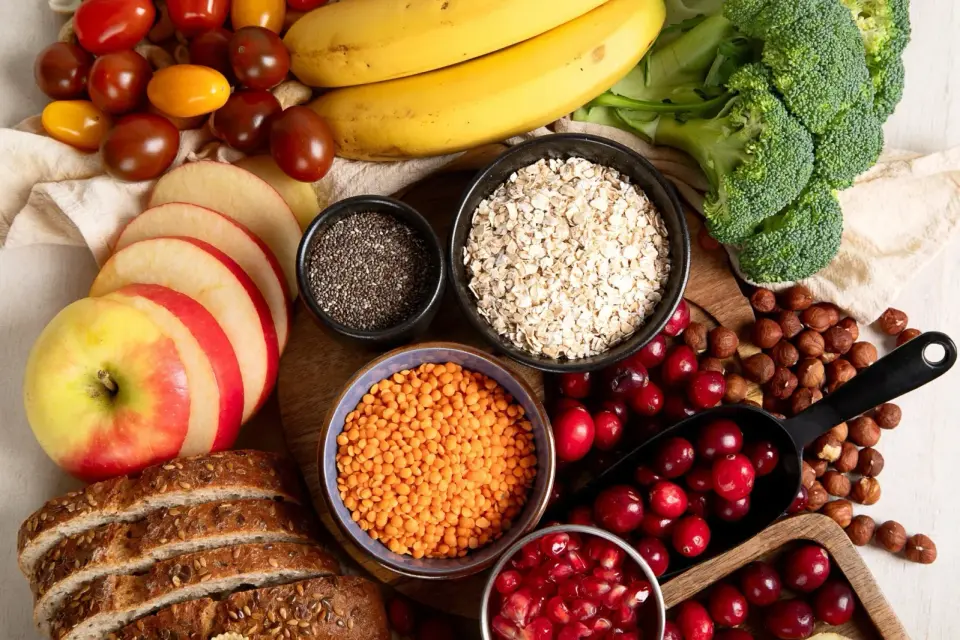
A recent 84-day clinical trial in China found that a standardized high-fiber diet produced better improvements in blood sugar control and body weight than metformin monotherapy in adults with newly diagnosed type 2 diabetes and obesity. The study, published in Frontiers in Microbiology, highlights the potential of dietary interventions to reshape the gut microbiome and enhance metabolic health, though researchers caution that larger trials are needed before changing clinical guidelines.
Key points
- An 84-day head-to-head trial at Henan Provincial People's Hospital compared a high-fiber diet against metformin monotherapy in 46 adults with newly diagnosed type 2 diabetes and obesity.
- The high-fiber group achieved a lower baseline-adjusted HbA1c of 6.3% compared to 6.7% in the metformin group, and a lower BMI of 28.4 kg/m² versus 30.2 kg/m².
- Fiber intervention led to rapid changes in gut microbiota within 28 days, increasing beneficial bacteria like Bifidobacterium and Lactobacillus while reducing inflammation-linked Bilophila wadsworthia.
- The metformin group showed no significant shifts in overall microbial community structure during the trial period.
- Researchers noted that the small sample size (12 in the metformin group) and short duration limit the certainty of the findings, and larger independent studies are required to confirm these results.
Background
This study builds on recent research emphasizing the role of dietary fiber in managing metabolic health. Earlier coverage highlighted that the DASH4D diet, a diabetes-tailored version of the DASH diet, significantly improves glycemic markers in adults with type 2 diabetes. Additionally, nutritionists have recommended incorporating 5g of fiber into breakfasts to stabilize energy and blood sugar, while psyllium husk has been noted for its ability to slow post-meal blood sugar spikes. These prior findings underscore the growing interest in dietary interventions as a complement or alternative to pharmacological treatments for diabetes.
How outlets are covering it
News-Medical and The Times of India both report on the same trial, emphasizing the superior outcomes of the high-fiber diet in terms of HbA1c and BMI. Both outlets highlight the rapid changes in gut microbiota observed in the fiber group, particularly the increase in beneficial bacteria and the decrease in inflammation-linked strains. Cleveland Clinic, while not directly covering this specific trial, provides broader context on the 'Fiber First' diet, noting that eating fiber first at meals can help prevent post-meal blood sugar spikes and support weight management. Cleveland Clinic’s perspective aligns with the trial’s findings but focuses on practical dietary strategies rather than the specific head-to-head comparison with metformin. All three sources agree on the importance of fiber in metabolic health but differ in their focus: News-Medical and The Times of India emphasize the trial’s results, while Cleveland Clinic highlights general dietary advice.
Why it matters
The findings suggest that dietary interventions targeting the gut microbiome could be a viable alternative or complement to metformin for managing type 2 diabetes and obesity. If confirmed in larger trials, this could shift clinical guidelines toward personalized dietary approaches, potentially reducing reliance on pharmacological treatments. However, the small sample size and short duration of the current trial mean that these results should be interpreted with caution, and further research is needed to determine the long-term efficacy and safety of high-fiber diets in this context.
What to watch
Researchers are calling for larger, multi-center trials to validate the findings of this study and to determine whether baseline microbial features can predict who will benefit most from a high-fiber intervention. Additionally, future studies may need to measure GLP-1 levels directly to confirm the mechanism by which fiber influences metabolic outcomes. Clinical guidelines for type 2 diabetes management may eventually incorporate dietary interventions as a first-line treatment, but this will depend on the results of these larger trials.
- High-fiber diet beats metformin for blood sugar and weight in trial News-Medical
- Why Eating Fiber First Can Help Manage Type 2 Diabetes Cleveland Clinic Health Essentials
- Study reveals that this one diet can beat Metformin for diabetes and weight in trial The Times of India
Want the full story? Read the original reporting
Read on News-Medical