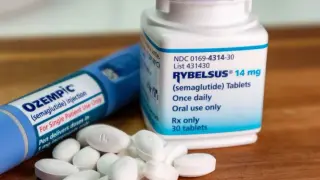
A pilot study indicates that medically tailored meals and digital wellness apps can significantly reduce weight regain after patients stop GLP-1 medications, with control participants regaining 10.75% of body weight in four months compared to roughly 3.6% for intervention groups.
A two-year randomized trial involving 493 adults with overweight or obesity found that drinking non-nutritive sweetened beverages was equally effective as drinking water for weight loss and maintenance. Participants in both groups lost significant weight, with the diet drink group losing slightly more, though the difference was not statistically significant. The study found no evidence that artificial sweeteners increased appetite or caused metabolic harm.
New preclinical research suggests that obesity leaves a lasting epigenetic 'memory' in fat cells, keeping the hunger hormone asprosin elevated even after weight loss. This mechanism may explain why patients regain weight after stopping GLP-1 medications and why offspring of mothers with obesity face higher susceptibility. While the findings are based on mouse models, they identify a potential therapeutic target for preventing weight rebound.
New research suggests that fat cells retain an epigenetic 'memory' of obesity, keeping hunger hormones elevated even after weight loss. This biological mechanism may explain why patients regain weight quickly after stopping GLP-1 medications, highlighting the need for long-term metabolic management rather than short-term fixes.
Eli Lilly’s experimental triple-agonist retatrutide achieved up to 25% weight loss in non-diabetic adults and 18.8% in those with type 2 diabetes in Phase 3 trials. The drug targets GLP-1, GIP, and glucagon, offering benefits beyond weight loss, including improved knee pain, sleep apnea, and blood sugar control, though gastrointestinal side effects remain common.
A 12-week Johns Hopkins study found that a 10-hour eating window helped adults with obesity and prediabetes lose weight and improve eating habits without reducing calorie intake, though it did not significantly alter appetite hormones or inflammation markers.
Eli Lilly reported that its experimental combination therapy, eloraTZP, achieved an average weight loss of 23.3% in patients with obesity and type 2 diabetes, surpassing its own triple-agonist candidate retatrutide in that specific population. The Phase 2 trial, presented at the European Association for the Study of Diabetes in Milan, showed that the highest dose of the amylin and tirzepatide combo resulted in a 54.1-pound loss over 48 weeks. While efficacy was strong, discontinuation rates due to gastrointestinal side effects were higher than for individual components. Lilly plans to begin Phase 3 trials in the fourth quarter of 2026, aiming to optimize dosing to improve tolerability while maintaining efficacy.
Eli Lilly presented detailed phase 3 data for retatrutide and phase 2 results for the experimental combination EloraTZP at the European Association for the Study of Diabetes in Milan. Retatrutide, a triple-agonist, achieved 20.8% average weight loss at the top dose, while EloraTZP, combining amylin and tirzepatide, reached 23.3% weight loss. Lilly plans to file for retatrutide approval in early 2027 and advance EloraTZP to phase 3 trials by year-end.
Eli Lilly’s experimental triple-agonist drug retatrutide has demonstrated unprecedented weight-loss results in two major Phase 3 trials, with participants losing up to 25% of their body weight. The drug, which targets three gut hormones, also significantly improved blood sugar control and cardiometabolic markers, though it carries gastrointestinal side effects similar to existing GLP-1 medications.
Eli Lilly’s experimental triple-agonist retatrutide achieved record-breaking weight loss in two phase 3 trials, with participants losing up to 25% of body weight. The drug also improved cardiometabolic markers and resolved prediabetes in over 90% of cases, though it carries gastrointestinal side effects and lacks head-to-head comparisons with existing treatments.
Nutritionists advise replacing ultra-processed items like chicken nuggets, meatballs, and sausages with whole-food alternatives to mitigate health risks. Recent evidence links daily consumption of these products to higher rates of obesity, heart disease, cancer, and premature death. Experts emphasize that while processing exists on a spectrum, prioritizing minimally processed options is key to long-term well-being.
Roche has terminated development of emugrobart, a myostatin-blocking antibody intended to preserve muscle during weight loss, after an interim analysis of its phase 2 Gyminda trial indicated the drug was unlikely to meet its endpoints. The company has returned the asset to its Japanese subsidiary, Chugai, which plans to resume development for spinal muscular atrophy and seek licensing partners. This setback follows earlier failures in muscular dystrophy trials and occurs as Roche expands its obesity portfolio through other deals.
Novo Nordisk is shifting its marketing of GLP-1 drugs from medical necessity to lifestyle enhancement, using slogans like 'Live lighter' and referring to users as 'customers' rather than 'patients.' While these drugs offer significant weight loss and health benefits, experts warn that this consumer-focused approach ignores serious side effects, legal risks for prescribers, and the high costs that strain healthcare budgets.
New research suggests weight-loss drugs like Ozempic may lower cancer recurrence by enhancing the body's immune response, though evidence remains mixed and randomized trials are lacking.
A new study reveals that over 1.1 million Americans were prescribed GLP-1 drugs like Ozempic without an FDA-approved condition between 2021 and 2025. While usage is rising rapidly, the risk-benefit profile for these patients remains unclear, and access is skewed toward wealthier, white women.