
Ear Stimulation Trial Shows Promise for Severe Hypertension Despite Mixed Overall Results
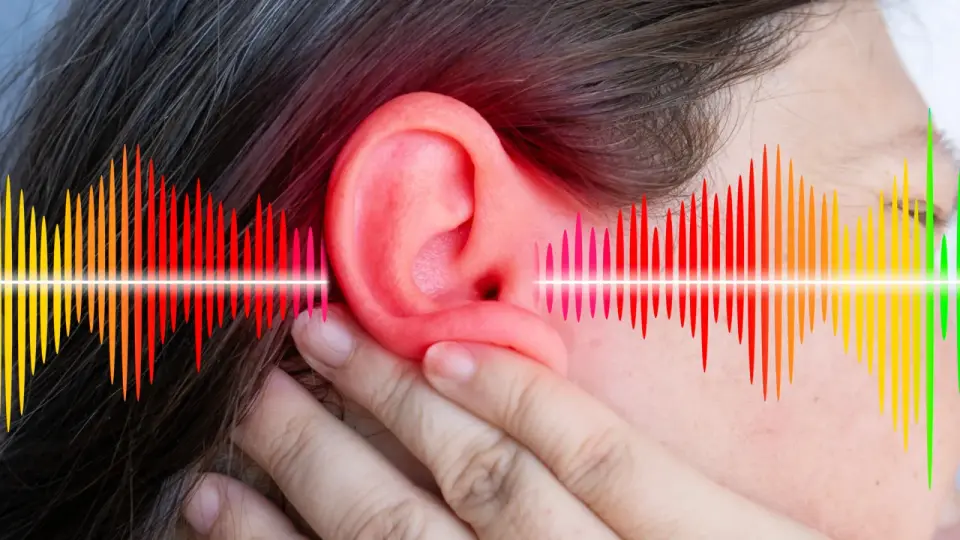
A new clinical trial suggests that stimulating nerves in the ear via a small handheld device may help lower blood pressure in patients with severe hypertension, though it did not show significant benefits for the general group. The study, conducted by Queen Mary University of London, found the treatment safe and easy to use at home. While overall results were not statistically significant compared to a placebo, a specific subgroup with uncontrolled high blood pressure showed promising reductions. Researchers emphasize that larger studies are needed to confirm these findings and determine which patients benefit most. This approach offers a potential non-invasive alternative to current medications for those struggling to manage their condition.
Key points
- The SCRATCH-HTN trial involved 63 patients with uncontrolled hypertension who were already taking medication.
- Participants used a device that delivers electrical pulses to the ear's tragus for 30 minutes daily for two weeks, then once weekly for ten weeks.
- The treatment was found to be safe, well-tolerated, and practical for home use, with high adherence rates.
- Overall, the active stimulation did not significantly outperform a sham device in lowering blood pressure across the entire group.
- However, a prespecified subgroup analysis showed significant blood pressure reductions in patients with more severe hypertension.
- The device, developed by Afferent Medical Solutions, uses transcutaneous autonomic neuromodulation to influence the autonomic nervous system.
Background
This development follows a broader trend of exploring non-pharmacological interventions for cardiovascular health. Recent coverage has highlighted simple exercises like planking as potential tools for lowering blood pressure, while other studies have examined the metabolic effects of existing medications like losartan. Additionally, dietary factors, such as the sodium content in sardines, have been noted as risks for individuals with hypertension. The current trial adds a technological dimension to these efforts, focusing on neuromodulation as a complementary therapy for patients whose blood pressure remains elevated despite standard medication.
Why it matters
High blood pressure is a major risk factor for heart attacks and strokes, and many patients continue to have uncontrolled readings despite taking medication. A safe, non-invasive, and home-based treatment could provide a crucial option for those with resistant hypertension. If future trials confirm the efficacy seen in severe cases, this technology could offer a scalable and cost-effective solution for millions of people, potentially reducing the burden on healthcare systems and improving patient outcomes through better adherence and convenience.
What to watch
The immediate next step is the design and execution of larger clinical trials to confirm the promising results observed in the subgroup with severe hypertension. Researchers aim to determine whether the neuromodulation approach can reliably lower blood pressure in specific patient populations. These studies will also help identify which individuals are most likely to benefit from the treatment, moving the technology from early-stage exploration to a potential standard of care for uncontrolled hypertension.
Want the full story? Read the original reporting
Read on Science Daily