
Leipzig Researchers Identify GPR133 Receptor as Potential Dual-Target for Bone and Muscle Strength
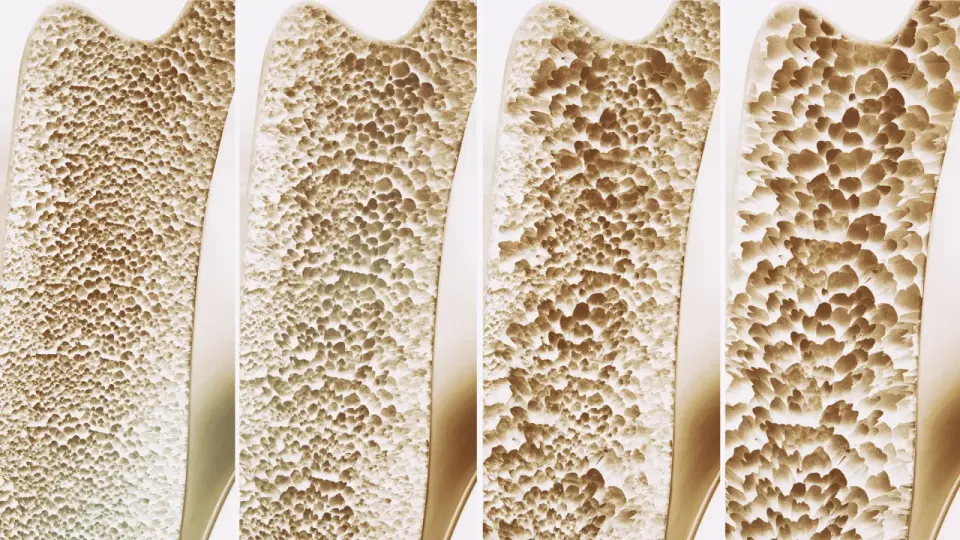
Researchers at Leipzig University have identified the GPR133 receptor as a critical biological switch for bone health. By activating this receptor with the experimental compound AP503, they significantly strengthened bones in both healthy and osteoporotic mice. The study suggests that targeting GPR133 could offer a new therapeutic avenue for treating osteoporosis, particularly in postmenopausal women, while potentially also improving muscle strength.
Key points
- Leipzig University scientists discovered that activating the GPR133 receptor boosts bone formation and reduces bone loss.
- The experimental compound AP503, identified via computer-assisted screening, successfully increased bone strength in mice with osteoporosis-like conditions.
- GPR133 activation shifts the balance between bone-building osteoblasts and bone-resorbing osteoclasts toward net bone gain.
- Previous research by the same team indicates AP503 may also strengthen skeletal muscle, suggesting a dual benefit for aging populations.
- The findings aim to address the limitations and side effects of current long-term osteoporosis treatments.
Background
This development builds on Leipzig University's decade-long focus on adhesion G protein-coupled receptors through Collaborative Research Center 1423. Earlier coverage in our archive highlighted the importance of personalized bone density screening for postmenopausal women and the role of lifestyle factors, such as impact training and moderate coffee consumption, in maintaining bone health. The current research offers a pharmacological alternative to these lifestyle interventions, targeting the biological mechanisms of bone renewal directly.
Why it matters
Osteoporosis affects approximately six million people in Germany, predominantly women, and current treatments often come with significant side effects or limitations for long-term use. The identification of GPR133 as a target for AP503 offers a promising new direction for developing therapies that can safely rebuild bone density. Furthermore, the potential for this compound to simultaneously strengthen muscles could address the concurrent decline in bone and muscle mass common in older adults, thereby reducing fracture risk and improving mobility.
What to watch
The Leipzig team is pursuing follow-up projects to fully understand GPR133's functions and investigating whether AP503 has applications in other diseases. Researchers are continuing to examine the receptor's wider roles throughout the body to determine if this compound can be developed into a viable clinical treatment for osteoporosis and age-related physical decline.
Want the full story? Read the original reporting
Read on Science Daily