Tag

Osteoporosis

All articles tagged with #osteoporosis

Five to Six Prunes a Day May Protect Hip Bones in Postmenopausal Women
health11 days ago

Five to Six Prunes a Day May Protect Hip Bones in Postmenopausal Women

A year-long study of 235 postmenopausal women found that consuming 50g (about five to six) prunes daily preserved hip bone density and improved bone-structure measures, with better adherence at the 50g level. While results suggest prunes may help reduce osteoporosis risk and fracture chances, further research is needed to confirm and expand on these findings.

Activating GPR133 May Rebuild Bone in Osteoporosis
science28 days ago

Activating GPR133 May Rebuild Bone in Osteoporosis

New research shows that activating the GPR133 receptor with the compound AP503 boosts osteoblast-driven bone formation, dramatically increasing bone density and strength in osteoporotic mice and even stronger when combined with exercise; the approach could shift osteoporosis treatment from slowing bone loss to rebuilding bone, but it remains early-stage animal research with no human trials yet.

GPR133 Activation Boosts Bone Strength in Mice, Hinting at Osteoporosis Therapies
science1 month ago

GPR133 Activation Boosts Bone Strength in Mice, Hinting at Osteoporosis Therapies

A 2025 study from Leipzig and Shandong identifies the GPR133 (ADGRD1) receptor as crucial for bone density. Activating it with the chemical AP503 increases osteoblast activity and bone strength in mice, suggesting a potential therapy for osteoporosis that could work with exercise. While promising, these results are in animal models and require human testing; related 2024 work on a blood‑based regenerative implant and bone‑density hormones may inform future treatments.

GLP-1 Medications Show Small Increase in Bone-Health Risks, Study Finds
health1 month ago

GLP-1 Medications Show Small Increase in Bone-Health Risks, Study Finds

A five-year study of 73,483 people starting GLP-1 medications (e.g., semaglutide, liraglutide, dulaglutide, exenatide) and 73,483 matched controls found small but statistically significant increases in osteoporosis (0.9%), gout (0.8%), and osteomalacia (0.1%) among GLP-1 users. The study does not prove causation and factors like diet and exercise were not analyzed. The findings could inform bone-health surveillance and more personalized prescribing, though GLP-1 therapies also offer metabolic benefits and long-term effects require further study.

GLP-1 Drugs Linked to 30% Higher Osteoporosis Risk
health1 month ago

GLP-1 Drugs Linked to 30% Higher Osteoporosis Risk

A US observational study found that GLP-1 drugs (like Ozempic) may raise osteoporosis risk by about 30% (4% vs 3%) among people with obesity and type 2 diabetes, with osteomalacia also more common. Rapid weight loss and reduced intake of bone-building nutrients could contribute. The FDA already notes increased fracture risk in older adults and women; clinicians are urged to monitor bone health, nutrition and activity rather than discourage GLP-1 use.

GLP-1 Weight-Loss Drugs Linked to Higher Osteoporosis and Gout Risk
health1 month ago

GLP-1 Weight-Loss Drugs Linked to Higher Osteoporosis and Gout Risk

A new observational study of more than 146,000 adults with obesity and type 2 diabetes finds that GLP-1 medications (e.g., Ozempic, Wegovy, Victoza, Saxenda) are associated with modestly higher risks of osteoporosis (about 30% increase) and gout (about 12%), though causality can’t be established. Potential explanations include rapid weight loss and nutrient deficits, and findings echo some prior research and FDA labeling. Researchers caution that diet, exercise, vitamin D and calcium intake, and other factors weren’t fully captured. More research is needed, but clinicians may consider monitoring bone health and advising lifestyle measures alongside GLP-1 use rather than avoiding therapy altogether.

Piezo1 Identified as Exercise Sensor Linking Movement to Bone Strength
science1 month ago

Piezo1 Identified as Exercise Sensor Linking Movement to Bone Strength

Scientists at the University of Hong Kong identify Piezo1 as an exercise-sensing protein in bone marrow stem cells that shifts fate toward bone-forming osteoblasts and away from fat cells; mice lacking Piezo1 show weaker bones and reduced exercise benefits, while activating its pathway could mimic exercise to combat osteoporosis—though findings are preclinical and demand cautious development for human therapies.

Bone-Brain Axis Sparks a Two-Way Link Between Mood and Bone Health
science2 months ago

Bone-Brain Axis Sparks a Two-Way Link Between Mood and Bone Health

A new review argues that the bone-brain axis is a real physiological network in which bone-derived signals such as osteocalcin and osteopontin can affect brain function and mood, while depression and stress hormones can contribute to bone loss; recognizing this two-way communication could lead to integrated treatments (including exercise, neuromodulation, or bone-targeted therapies) and more targeted clinical research.

Start Your Day Strong: 6 Hip-Strengthening Moves for Those 55+
mind-body2 months ago

Start Your Day Strong: 6 Hip-Strengthening Moves for Those 55+

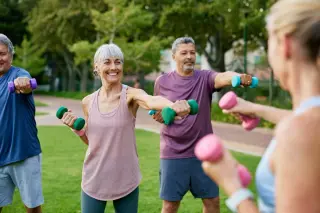
The article argues that floor stretches alone aren’t enough for hip health after 55 and offers six standing, weight‑bearing exercises to rebuild hip strength: hip hikes, standing pelvic tilt against a wall, squats (with optional weights), heel slides, lateral lunges, and sit‑to‑stands. Start with body weight and progress to resistance (dumbbells, bands) while aiming for 2–3 days per week of strength work to support bone health and joint function, all through upright movements that mirror daily tasks.

New Bone Discovery Paves Way for Exercise-Free Osteoporosis Treatment
health3 months ago

New Bone Discovery Paves Way for Exercise-Free Osteoporosis Treatment

Scientists from HKUMed discovered that the Piezo1 protein acts as an 'exercise sensor' in bones, translating physical activity into signals that strengthen bones and reduce fat accumulation in bone marrow. This breakthrough could lead to the development of drugs that mimic exercise effects, offering new treatments for osteoporosis, especially for those unable to exercise.

Tea vs. Coffee: Which Is Better for Bone Health?
health3 months ago

Tea vs. Coffee: Which Is Better for Bone Health?

A recent study suggests tea may slightly benefit bone mineral density more than coffee, especially at the hip, but the differences are small. Moderate coffee consumption (2-3 cups daily) is generally safe for bones, while drinking five or more cups may negatively impact bone health. Maintaining strong bones also involves a balanced diet rich in calcium and vitamin D, regular resistance exercise, and avoiding smoking and excessive alcohol. Overall, moderation in coffee intake and a healthy lifestyle are key to supporting bone health.