
Prostate Cancer Exploits Amino Acids to Bypass Hormone Therapy Resistance
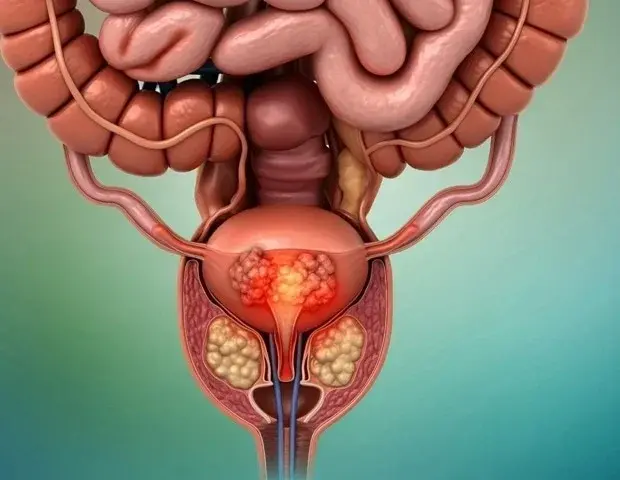
A preclinical study from Weill Cornell Medicine reveals that prostate cancer cells metabolize the amino acids isoleucine and valine into propionyl-CoA, a signal that forces cholesterol production even when hormone therapies block androgen signaling. This metabolic rewiring allows tumors to sustain growth and resist treatment. Researchers found that restricting these amino acids in mouse models slowed tumor growth and reduced lung metastasis, suggesting potential dietary or drug-based interventions to improve the efficacy of current therapies like enzalutamide.
Key points
- Prostate tumors downregulate enzymes that break down propionyl-CoA, allowing it to accumulate and stabilize the protein SREBP2, which drives cholesterol synthesis.
- Elevated cholesterol enables cancer cells to produce androgens internally, bypassing the effects of hormone-depriving drugs.
- In mouse models, restricting isoleucine and valine to 25% of standard levels slowed tumor growth and reduced metastasis to the lungs.
- The study suggests that targeting this metabolic pathway could help explain why some patients benefit from cholesterol-lowering statins while others do not.
Background
This research builds on recent efforts to understand metabolic vulnerabilities in prostate cancer. In July 2026, researchers at Umeå University reported a novel human antibody that halted the spread of aggressive prostate cancer in preclinical tests, highlighting the ongoing search for mechanisms that drive metastasis. Additionally, a UK study published in July 2026 demonstrated that focal therapies can maintain cancer control with fewer side effects, underscoring the need for treatments that minimize systemic impact while effectively managing the disease.
How outlets are covering it
News-Medical and Bioengineer.org emphasize the potential for dietary interventions, noting that isoleucine and valine are abundant in meat and dairy, and that restricting these nutrients may improve treatment outcomes. The Nature article provides the mechanistic detail, confirming that isoleucine and valine account for approximately 70% of the propionyl-CoA pool in prostate cancer cells. Inside Precision Medicine highlights the broader implications for precision oncology, suggesting that metabolic profiling could identify patients who would benefit from statins or amino acid restriction. All sources agree that this pathway represents a significant vulnerability in tumor resistance mechanisms, though they differ in their emphasis on immediate dietary changes versus future drug development.
Why it matters
Understanding how prostate cancer cells rewire metabolism to resist hormone therapy offers new avenues for treatment. By targeting the propionyl-CoA pathway, clinicians may be able to prevent tumors from adapting to androgen deprivation, potentially extending the effectiveness of current therapies and reducing the progression to castration-resistant prostate cancer.
What to watch
Researchers will continue to study this pathway in other cancer types and metabolic diseases. Future clinical trials may test whether dietary restriction of isoleucine and valine or drugs that inhibit the conversion of these amino acids into propionyl-CoA can improve patient responses to androgen receptor-targeting therapies. The team also plans to investigate whether this pathway activity can predict which patients will benefit from statins.
- Study shows how prostate tumors rewire metabolism to resist therapy News-Medical
- Isoleucine and valine promote prostate cancer progression via propionyl-CoA-mediated cholesterol metabolism Nature
- Prostate Cancer Rewires Amino Acid Metabolism to Drive Treatment Resistance Inside Precision Medicine
- Isoleucine and Valine Fuel Prostate Cancer Progression by Altering Cholesterol Metabolism Bioengineer.org
- Prostate cancer hijacks amino acid metabolism to signal hormone therapy resistance EurekAlert!
Want the full story? Read the original reporting
Read on News-Medical